SAMSUNG introduce their second generation 4-bit MLC NAND flash with capacities up to 8TB with "best in class" performance to boot, all shoe-horned into a 2.5" SATA-equipped 7mm enclosure.

Product on Review: SAMSUNG 870 QVO
Manufacturer: SAMSUNG
Street Price:
1TB GBP £110.99 / USD $129.99
2TB GBP £221.99 / USD $249.99
4TB GBP £438.99 / USD $499.99
8TB GBP £795.99 / USD $899.99
SAMSUNG are widely regarded as the top dog within the solid state storage market, dominating the sector for years now, so with today’s release of the 870 QVO available with capacities up to a massive 8TB, do they manage to retain their top spot?
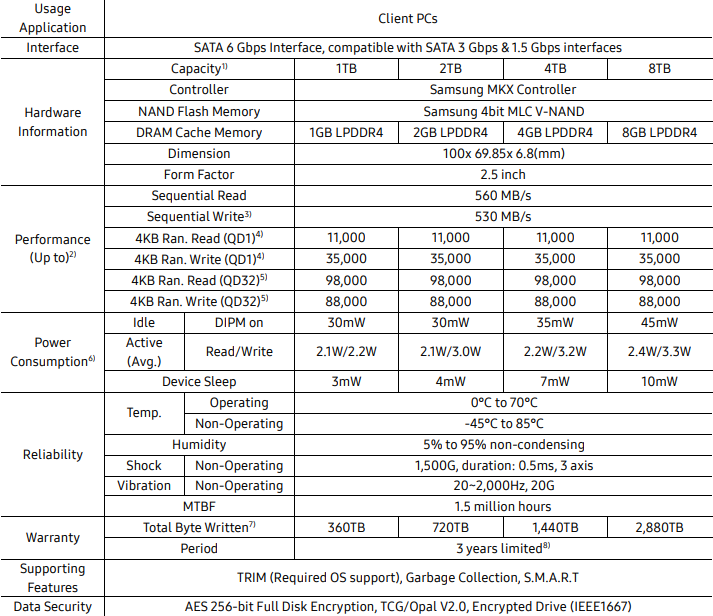
The 870 QVO is SAMSUNG’s 2nd Generation 4-bit MLC based SSD and uses the new MKX controller. The 4-bit MLC offers up to 2880TBW ratings and best in class sequential performance with up to 560MB/s read and 530MB/s write speeds.
Other tweaks are found elsewhere with particular attention paid to random access performance, where the majority of users would see the largest difference; SAMSUNG claims the drive is up to 13% faster than the 860 QVO in low queue depth workloads.
Pricing is a big deciding factor within the SSD industry, particularly as we’ve been limited by the SATA 3.0 interface for some years now. There’s certainly cheaper SSDs at the lower capacities but with SAMSUNG introducing the 8TB capacity into the marketplace, and if the performance rings true, it might just strike an excellent balance of price, performance and reliability. We’ve been provided the 1TB version so let’s see what’s what.
SAMSUNG on the 870 QVO:
The 870 QVO provides best in class sequential performance via the SATA interface – up to 560MB/s for reads and up to 530 MB/s for writes regardless of capacity. This performance is the maximum performance that can be achieved with the SATA interface. The 870 QVO shows identical performance to the 3-bit MLC SSDs currently in the market.
Technical Specifications
Packaging, Bundle & Closer Look
In shadowy, stealthy style, the 870 QVO’s packaging doesn’t give a massive amount away on the front.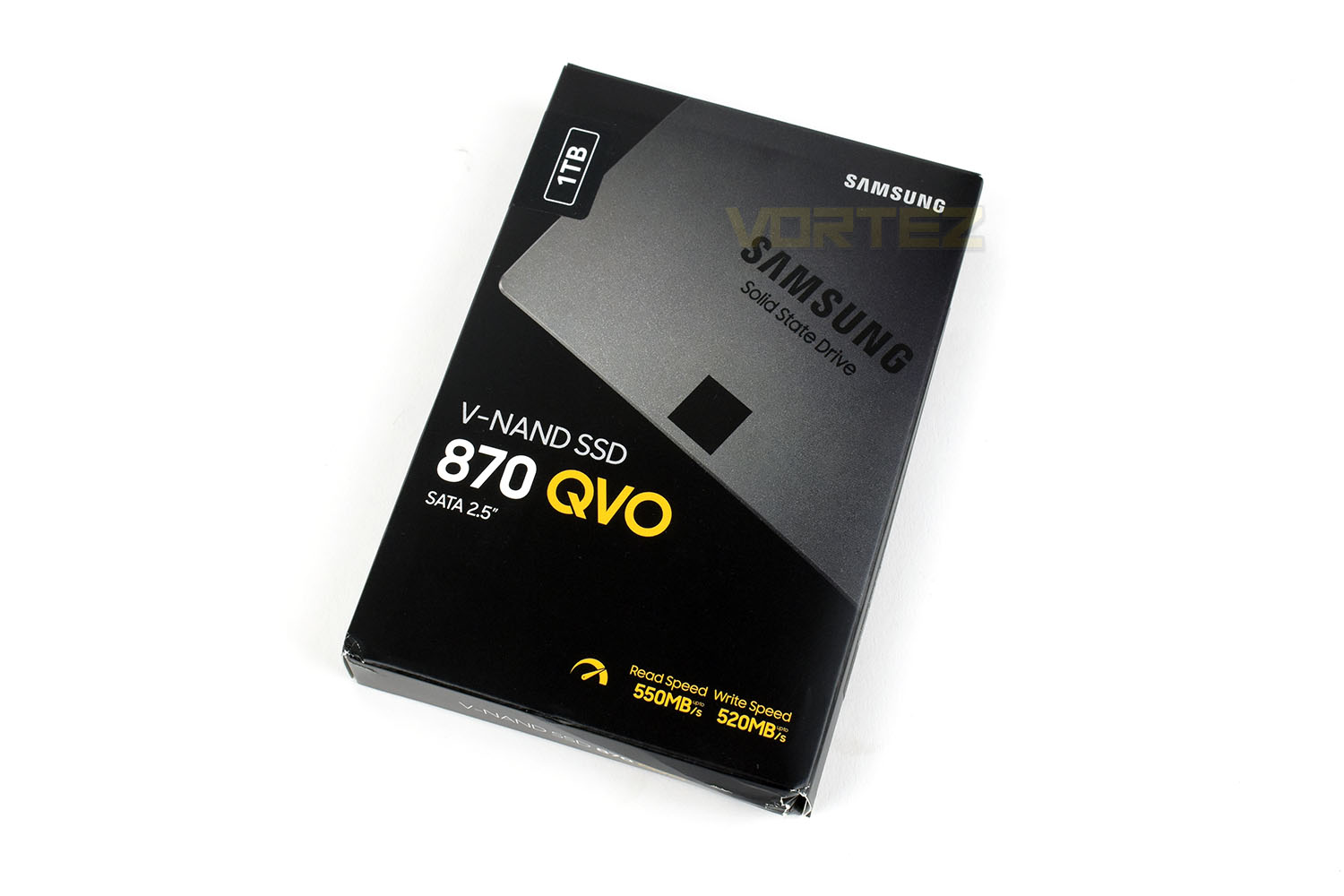
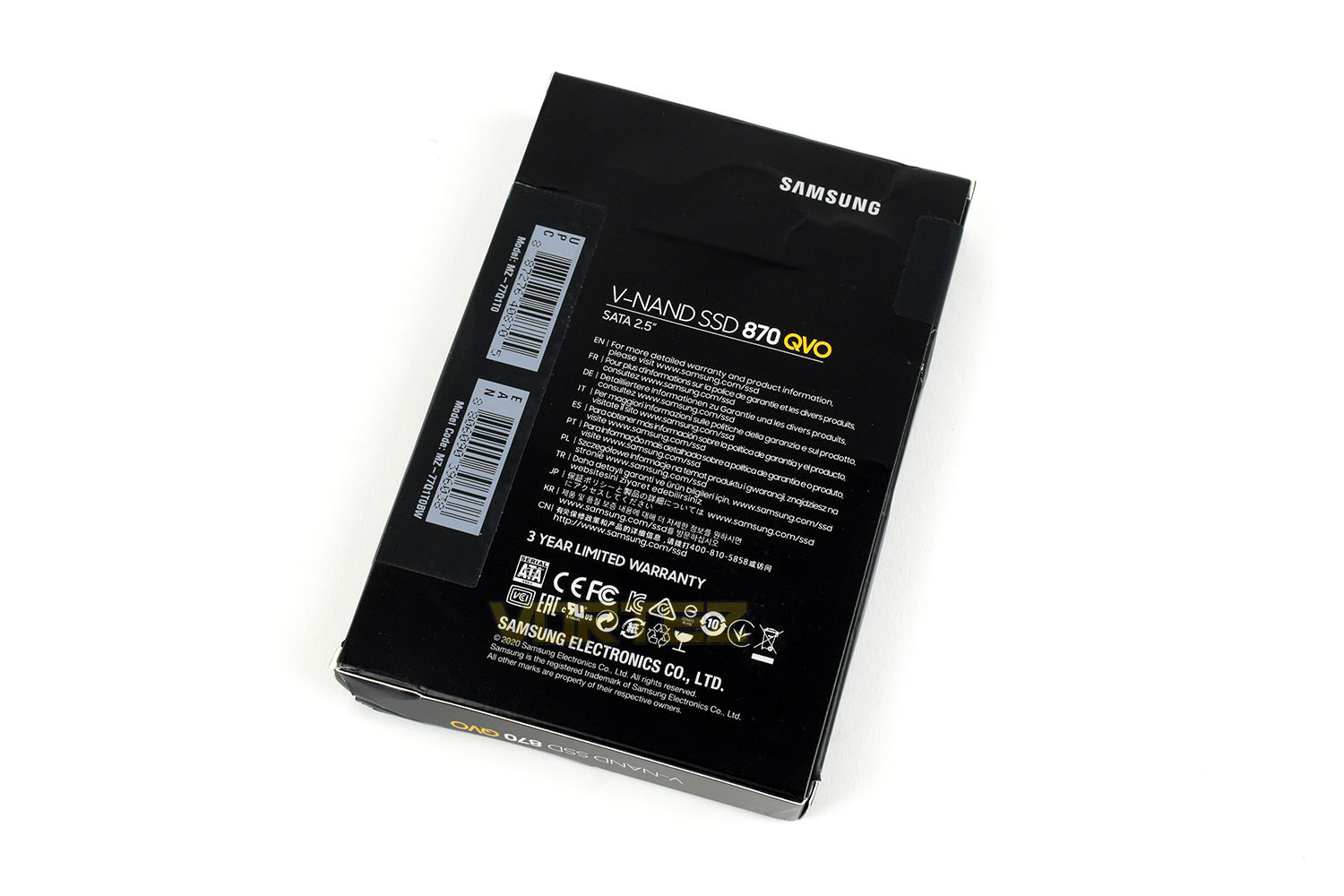
The rear is similar, pretty much relying entirely on you visiting their website for specifications and details.
With your new SSD you’ll find the included extras to be a little thin on the ground, with an installation/warranty booklet being the only extra.
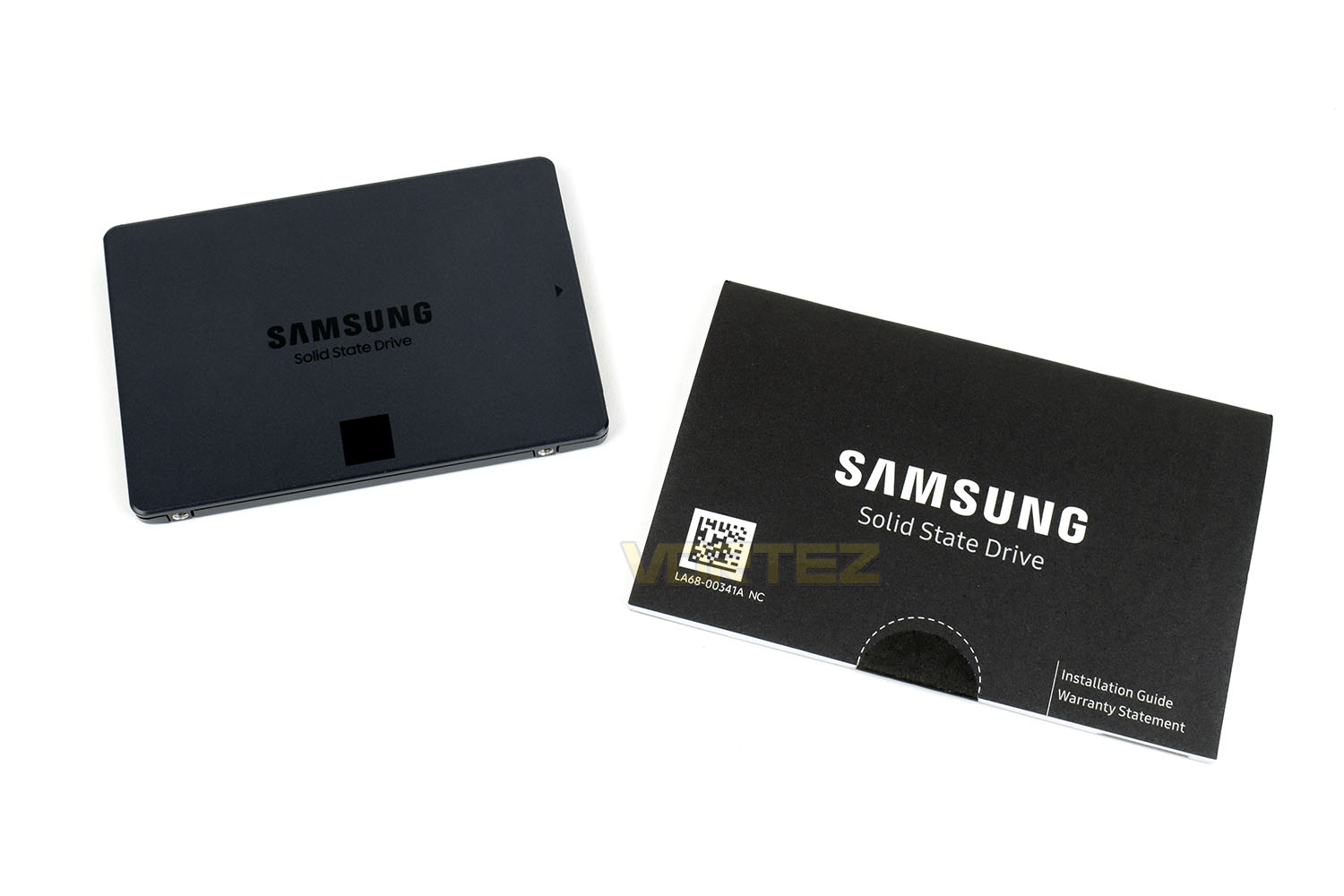
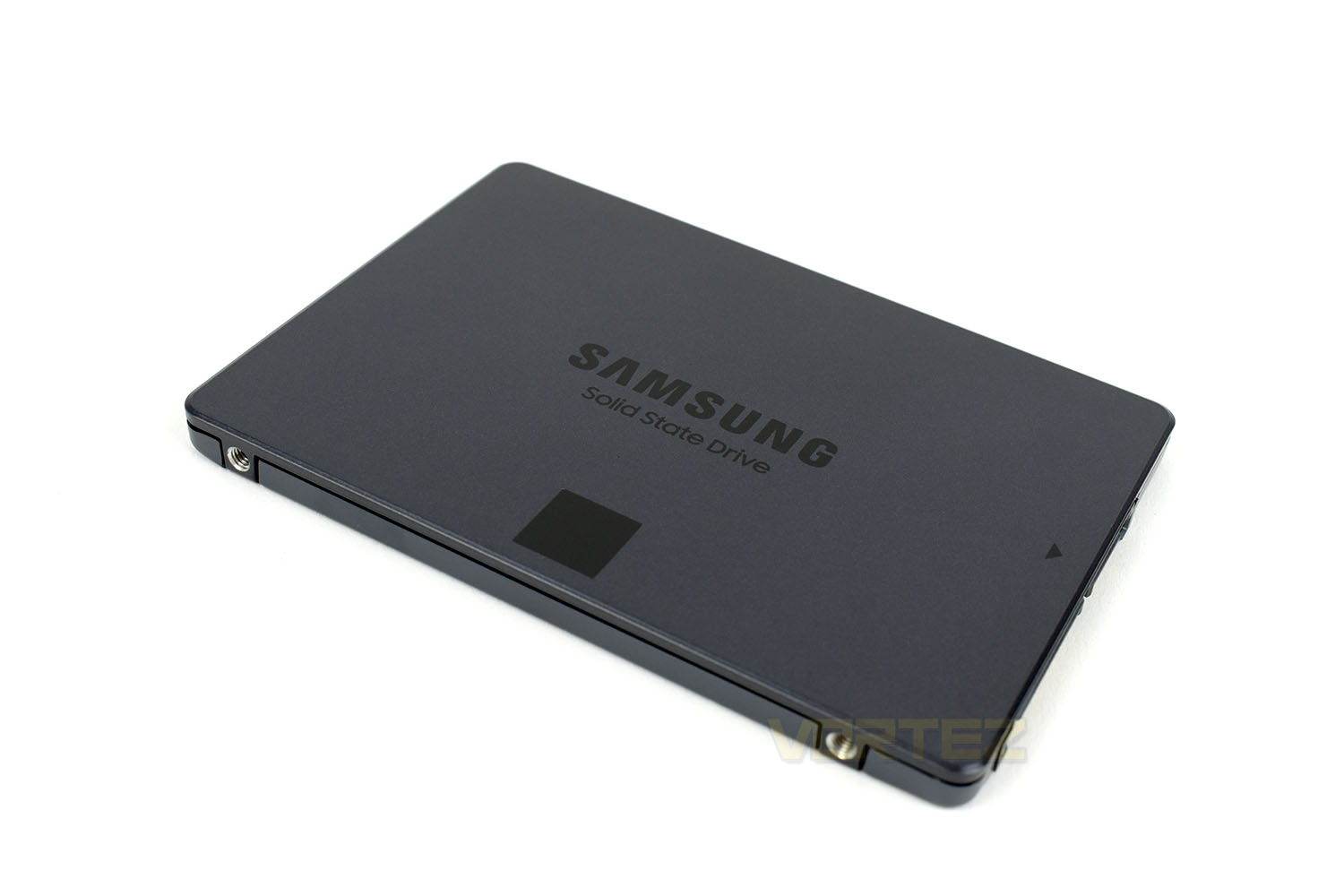
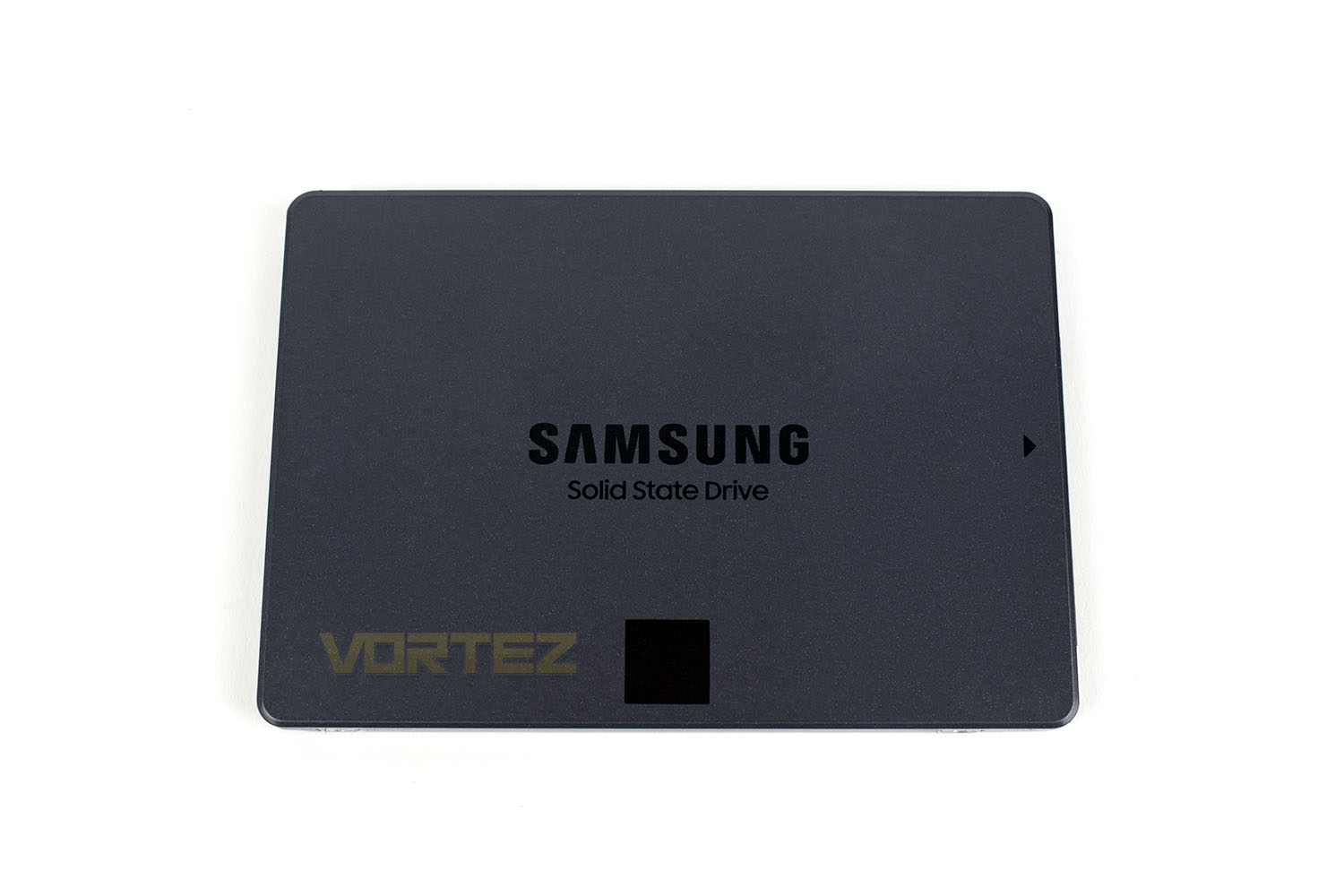
In a dark blue/slate kind of colour the SSD looks highly premium. No RGB LEDs or fancy stickers, just understated and classy styling. This 870 QVO conforms to the 2.5” x 7mm standard for ultra-thin laptops.
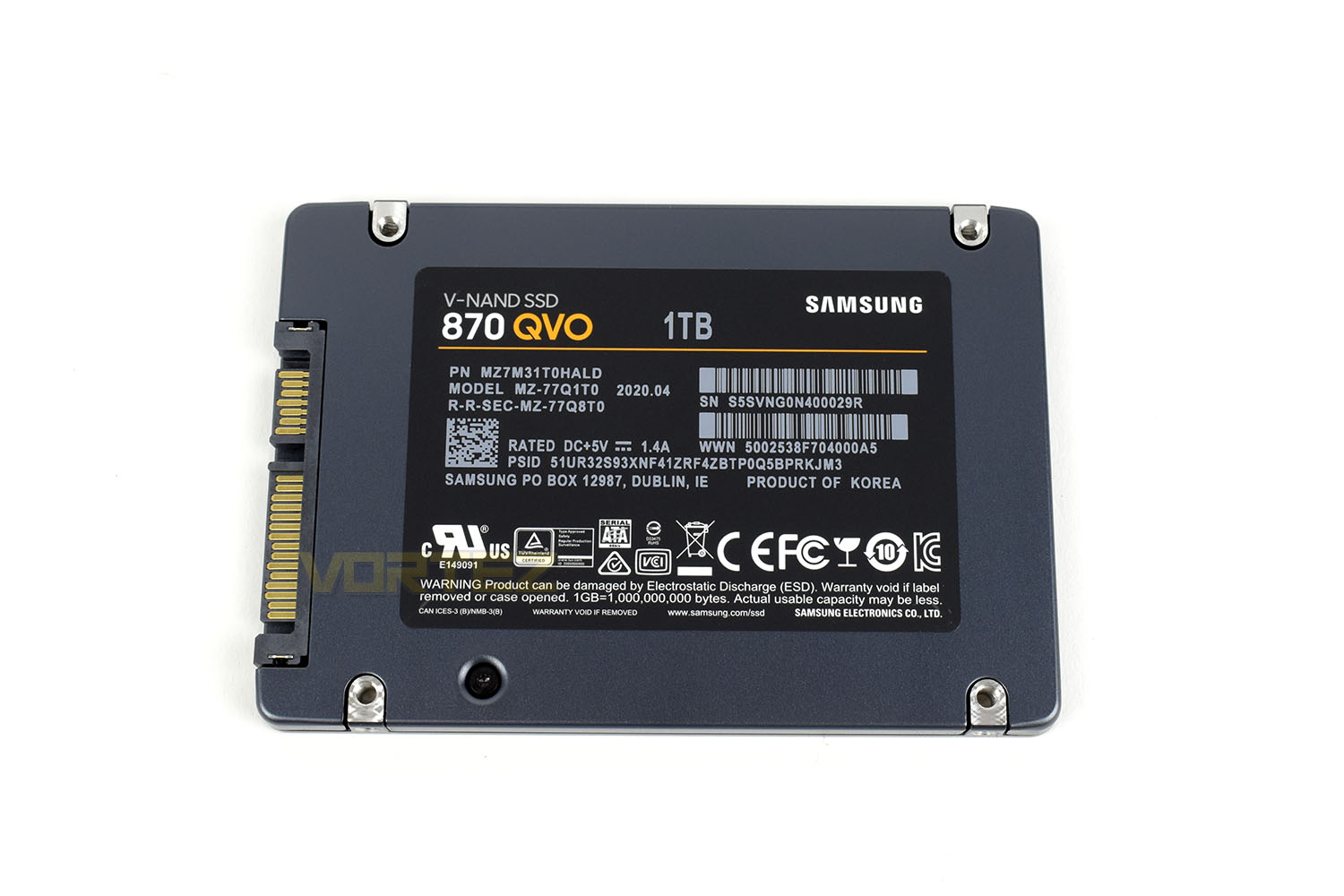
The bottom is a bit different, however, where the product sticker completely dominates the side.
Test Setup & Methodology
Our test system is formatted and a fresh version of Windows is installed with just drives in place – no additional applications. Windows is then updated to the latest release and the drivers are installed.Included in the list of benchmarks are the following applications:
Benchmarks
Anvil Pro
AS SSD
ATTO Disk Benchmark v2.46
Futuremark PCMark 8
AIDA64
AS SSD
ATTO Disk Benchmark v2.46
Futuremark PCMark 8
AIDA64
Test system
CPU: Intel Core i7 7700K
Motherboard: MSI Z270 Gaming M7
Graphics: EVGA GTX 1070 SC
Memory: 16GB CORSAIR Vengeance LPX 3200MHz DDR4
SAMSUNG SM961 256GB NVMe
Crucial MX500 500GB SSD
PSU: BeQuiet Straight Power 11 650W
OS: Microsoft Windows 10 Pro 64-Bit
Monitor: ASUS ROG PG279Q
Motherboard: MSI Z270 Gaming M7
Graphics: EVGA GTX 1070 SC
Memory: 16GB CORSAIR Vengeance LPX 3200MHz DDR4
SAMSUNG SM961 256GB NVMe
Crucial MX500 500GB SSD
PSU: BeQuiet Straight Power 11 650W
OS: Microsoft Windows 10 Pro 64-Bit
Monitor: ASUS ROG PG279Q
Benchmarks: Anvil Pro
Anvil Pro from Anvil Storage utilities is one of the most popular storage benchmarking utilities today thanks to the large suit of tests available. You can test pretty much anything from Read/write Speed to IOPs with many variables to tweak allowing you to get either a single or host of results to compare with other likeminded enthusiasts. In our test we ran the standard suite 5 times, subtracting both the highest and lowest scores and determined the final result from the average of the remaining three results.

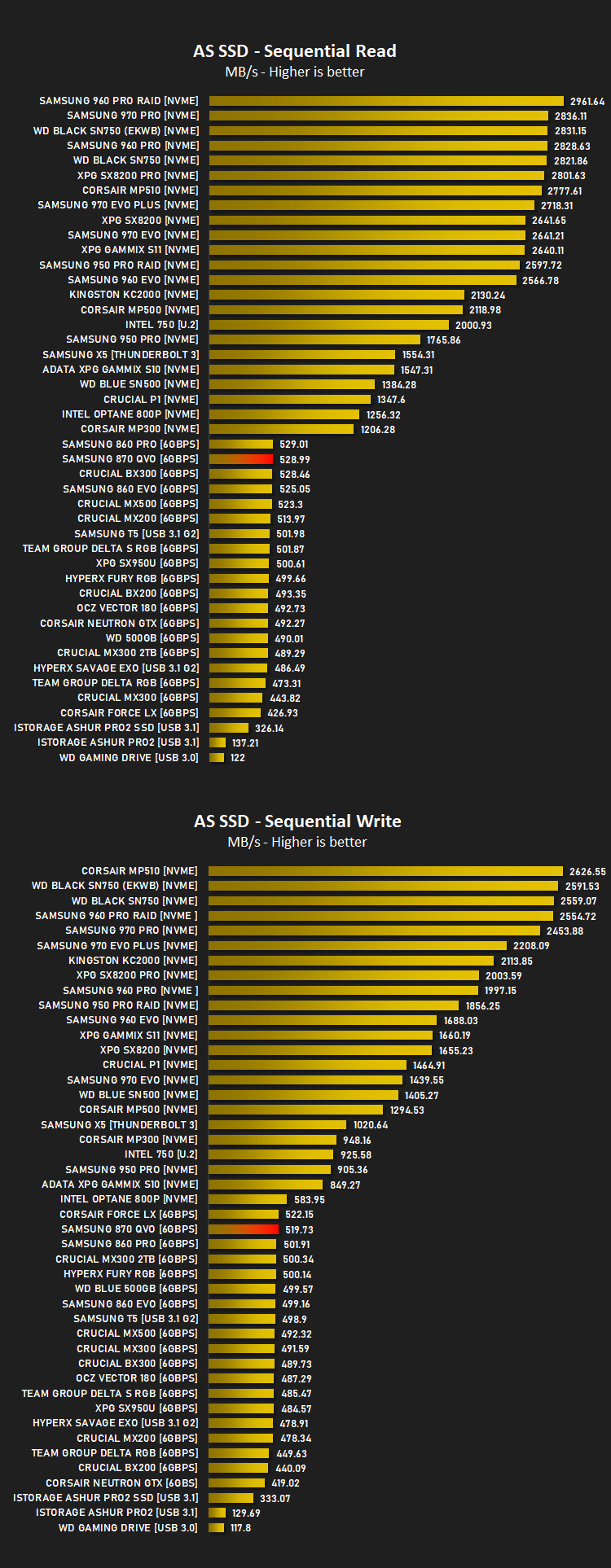
Benchmarks: AS SSD
AS SSD Benchmark is a straightforward tool for measuring the speed of your SSD drive.
Simply launch the program, choose your drive, click Start, and it’ll test your SSD’s read and write speed in a variety of ways, delivering a score for each when it’s done. And if that’s not enough, there are also additional file copy and compression-related benchmarks available from the Tools menu. (The author’s support page is German only, but if you need further English explanations then there’s a thread on the program at the OCZ Technology forum.).
Simply launch the program, choose your drive, click Start, and it’ll test your SSD’s read and write speed in a variety of ways, delivering a score for each when it’s done. And if that’s not enough, there are also additional file copy and compression-related benchmarks available from the Tools menu. (The author’s support page is German only, but if you need further English explanations then there’s a thread on the program at the OCZ Technology forum.).
Benchmarks: ATTO
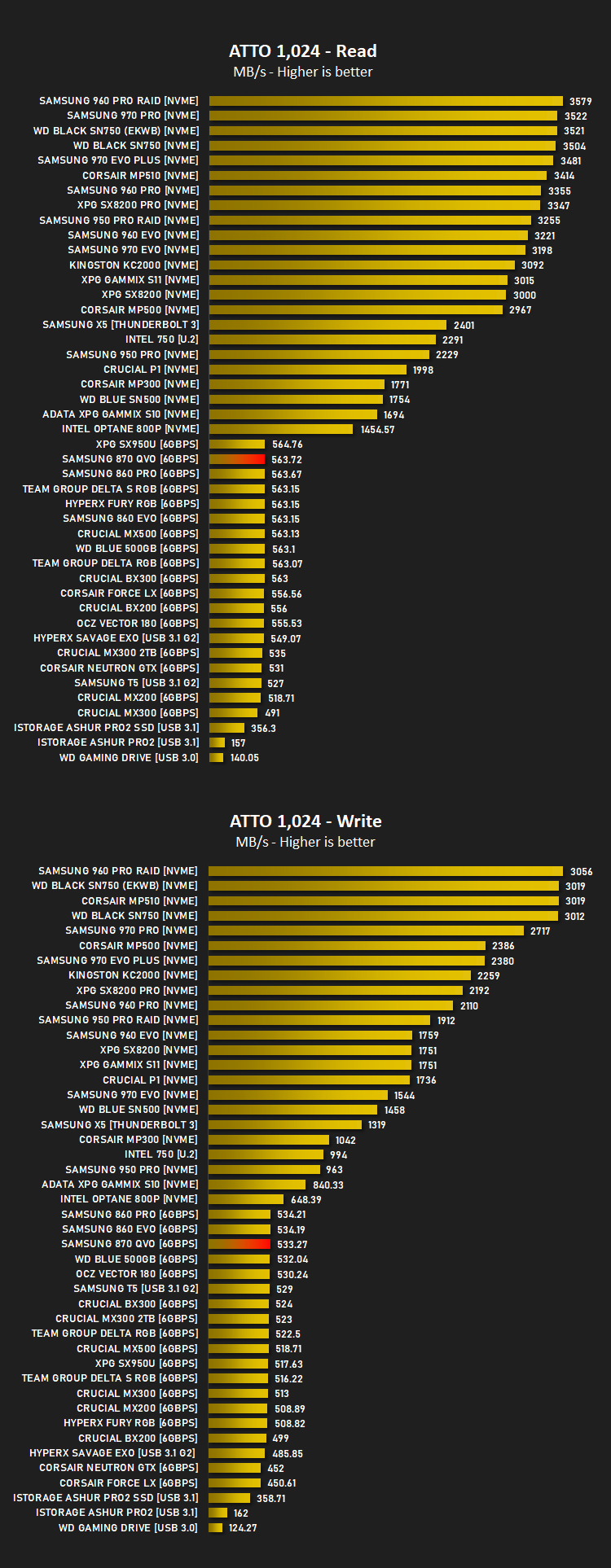
The ATTO Disk Benchmark performance measurement tool is compatible with Microsoft Windows. Measure your storage systems performance with various transfer sizes and test lengths for reads and writes. Several options are available to customize your performance measurement including queue depth, overlapped I/O and even a comparison mode with the option to run continuously. Use ATTO Disk Benchmark to test any manufacturers RAID controllers, storage controllers, host adapters, hard drives and SSD drives and notice that ATTO products will consistently provide the highest level of performance to your storage.
Benchmarks: AIDA64
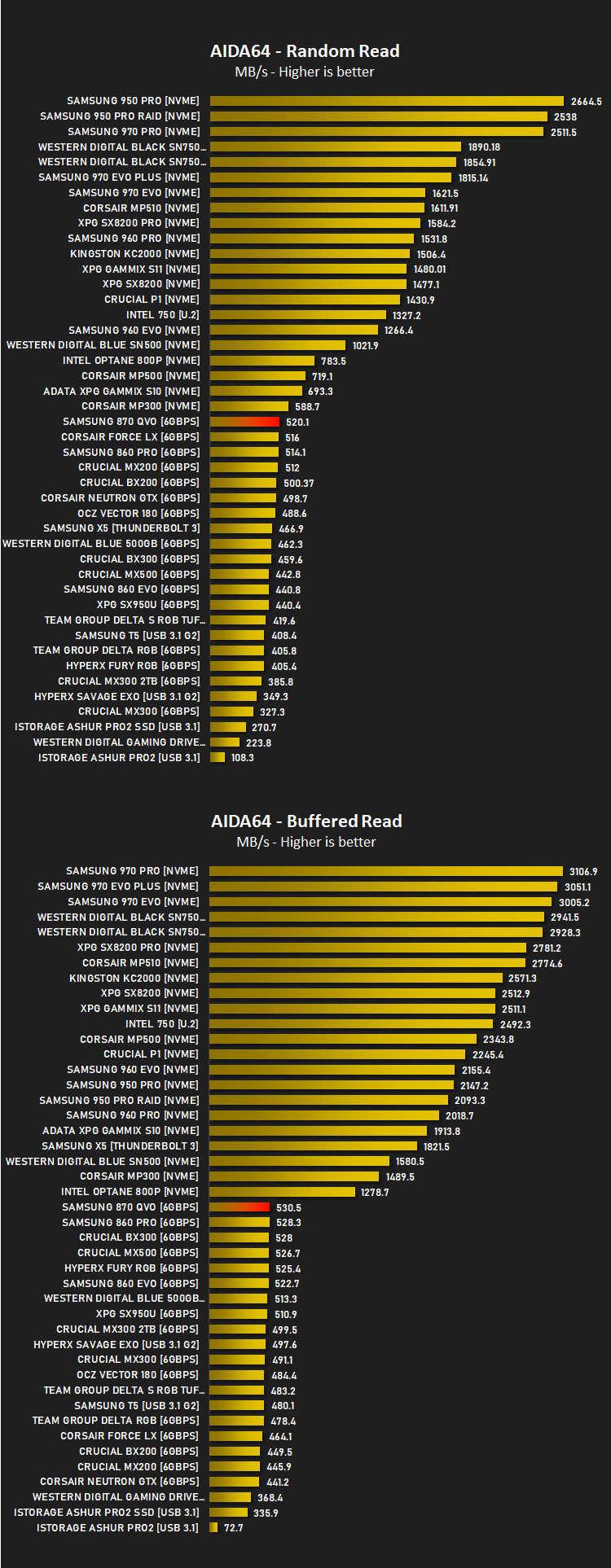
With this module, we can measure the performance of the PC’s storage devices, including (S)ATA or SCSI hard disk drives, RAID arrays, optical drives, solid-state drives (SSD), USB drives and memory cards. It also allows us to perform write tests, which helps us detect fake products and errors on the devices. In order to attain reliable benchmark results we have to make sure to close all background applications.
Benchmarks: PCMark 8
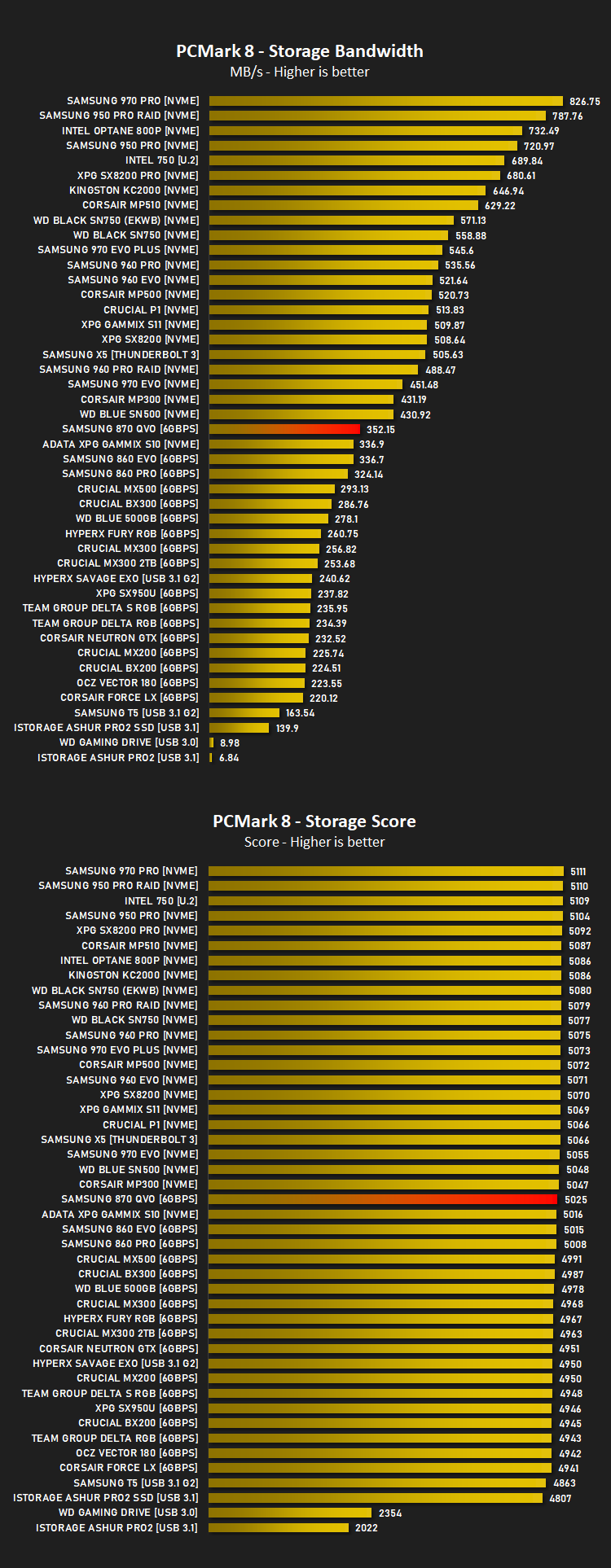
We use the Futuremark PCMark 8 utility to measure storage via Photoshop performance under both light and heavy loading conditions. Accelerated (open CL) is used to perform this test. The test is measured in seconds to complete.
Conclusion
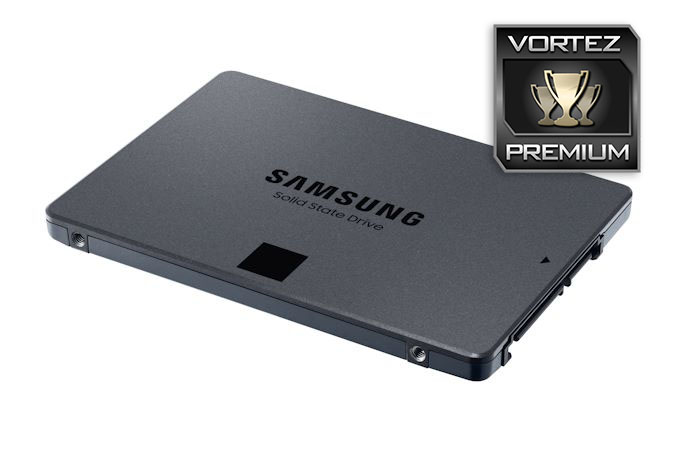
As silly as it might sound for an SSD, we actually really like the sleek, understated design of the enclosure. If the drive does happen to be on show within your system, it’s unlikely to upset your style or stand out, but the SAMSUNG branding along the top will show fellow enthusiasts that you mean business.Performance, somewhere that SAMSUNG claimed to have made up some decent ground on the previous-gen 860-series SSDs, proves to be excellent. We saw no weaknesses during our testing, strong results throughout; even challenging some budget NVMe drives in certain workloads.
Capacity and lifespan are another strong suit with the 870 QVO. 1TB, 2TB, 4TB and 8TB capacity options give the customer plenty of scope for vast arrays of storage, or a handy 1TB games/OS drive; all the while, the drive offers around 360 complete drive writes (360, 720, 1440 and 2880TBW respectively). This should be more than enough for even the most hardcore of users over several years.
Pricing also isn’t ludicrous, far from it, with some of the “lesser” brands offering cheaper alternatives but if you prefer to keep your quality high and retain the extensive features offered by the likes of SAMSUNG, you’re not pushed into the high price ranges. The 8TB drive is quite expensive, at £800/$900 but if you need a huge, fast, reliable SATA drive from a reputable brand, we challenge you to find the equivalent for less.
SAMSUNG and their masses of experience with NAND flash have, once again, proven why they sit above the rest of the competition. The 870 QVO is a brilliant option for anyone in the market for a large SATA SSD.
Pros
+ Blistering performance across the board
+ Reasonable pricing
+ Massive capacity options
+ 7mm thickness for ultra-thin laptops
+ Attractive chassis
Cons
– None
+ Blistering performance across the board
+ Reasonable pricing
+ Massive capacity options
+ 7mm thickness for ultra-thin laptops
+ Attractive chassis
Cons
– None
Click here for an explanation of our awards at Vortez.net.
Stay connected with the Vortez Social Media pages:
Join in with the discussions on Discord