




2019 is almost upon us, and what better way to usher in the new year than relive some of the highlights, and lowlights, of 2018 in PC Tech.
With 2019 almost here, there’s just enough time to give 2018 one last hurrah before we consign it to the mists of history. One last time to go over some of the good developments, and the not so good, for the PC Technology Industry as a whole. And a final chance to highlight the more confusing events of the year. Anyway, no further digression; let’s begin!
Graphics – New Technology, New Prices
The Graphics sector began 2018 exactly as it left 2017. Both NVIDIA and AMD were largely content to maintain their mature GPU lineups, with NVIDIA’s GTX 10-series dominating performance metrics and sales in the consumer space thanks chiefly to the GTX 1080 Ti and GTX 1070 Ti. While NVIDIA had announced their Volta microarchitecture and the Titan V in December of 2017, all indications were that this would remain exclusive to enterprise markets for the foreseeable future (and so it did).
A static product catalogue wasn’t the only thing 2018 inherited from 2017 however. Cryptocurrency’s valuation boom had seen Bitcoin hit a peak of almost $19,800 on December 17th, dragging other coins such as Litecoin and Ethereum to new highs alongside it. Critically, although Bitcoin had become a suboptimal coin for GPU mining, these altcoins continued to present valid returns for large mining farms and smaller independent miners who used the hardware ubiquitous to PC gaming.
As a consequence GPU pricing massively inflated past its MSRP, particularly AMD Polaris and Vega-class GPUs. Manufacturers and distributors bypassed retailers to sell direct to mining consortia, and the little stock which trickled through to consumers saw mark-ups of 100% or more. Even the second-hand market wasn’t safe; GTX 900-series and Radeon R9 300-series cards were in many instances selling for their launch MSRP despite being used.
Although Bitcoin trended downwards in the early part of 2018, GPU prices refused to normalise until well into the summer. AMD Radeon’s suitability for mining made their problems in this regard acute as they relied on price competitiveness to be attractive to gamers. Little is this evidenced more than in our review for the Powercolor Radeon RX Vega56 Red Devil Edition, a product greatly let down by its £799 retail price.
—
Lest we forget, 2018 was also the year of the GeForce Partner Program. It wasn’t altogether clear what NVIDIA were hoping to achieve with their effort to make GeForce synonymous with the gaming and performance branding of their partner AIB manufacturers. A lack of transparency raised hackles, and only excellent investigative work by HardOCP’s Kyle Bennet brought light to the practices GPP would enforce. ASUS, GIGABYTE and MSI would be prevented from selling AMD GPUs under their ROG/STRIX, AORUS and MSI GAMING brands, or face the penalty of being treated as lower-tier partners with reduced prioritisation. Inevitably that would impact AMD significantly, as well as reducing consumer choice in the process.
NVIDIA eventually ditched GPP after an outcry in enthusiast communities and criticism amongst even some of their staunchest supporters. It wasn’t before time either; ASUS had already begun to rebrand their AMD Radeon cards as AREZ to a decidedly mixed reception. The Green Team were the dominant player in the GPU sector, without a doubt making the entire palava highly unnecessary and a lesson in how markets can be warped by lack of competition.
—
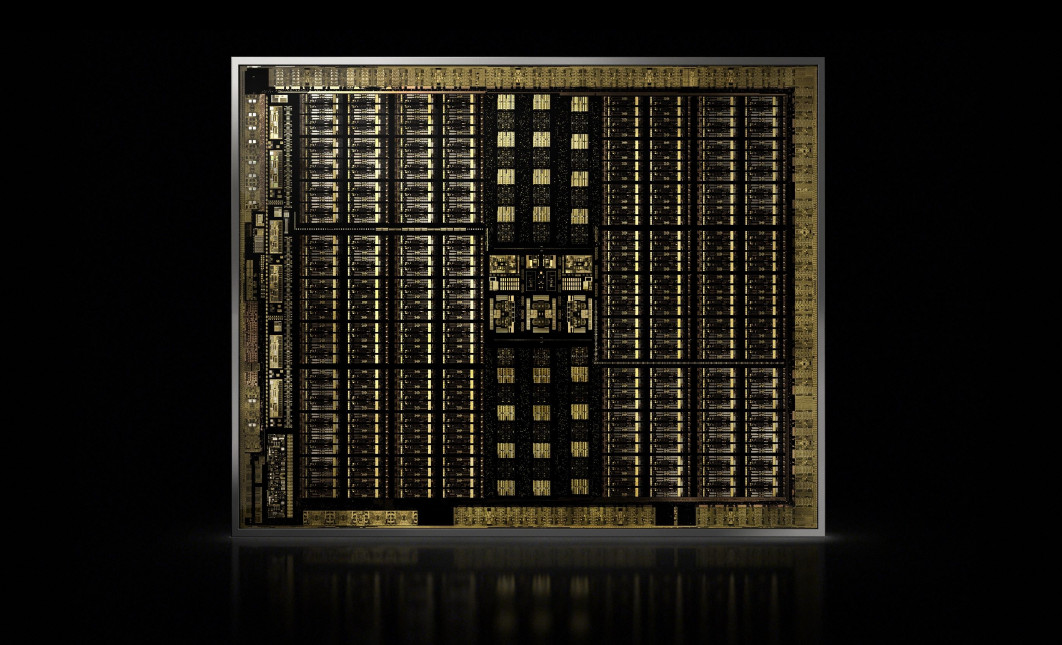
While the market remained quiet, NVIDIA were hard at work on bringing to market a new architecture that built on innovations made in the design of the Volta architecture. Unlike Volta however, it would cater to consumers and enterprise customers alike by offering a more balanced approach compare to the server-oriented design that heavily emphasised components exploited by AI and deep learning.
Whispers of the new GPU series leaked out of Santa Clara, but for the first time in a long time the rumour-mill wasn’t able to decrypt the signal accurately. Is the architecture Turing, or Ampere? GTX 11-series, or GTX 20-series? Will it be announced at Computex? Needless to say, all bar a few were hugely surprised by what NVIDIA had in store.
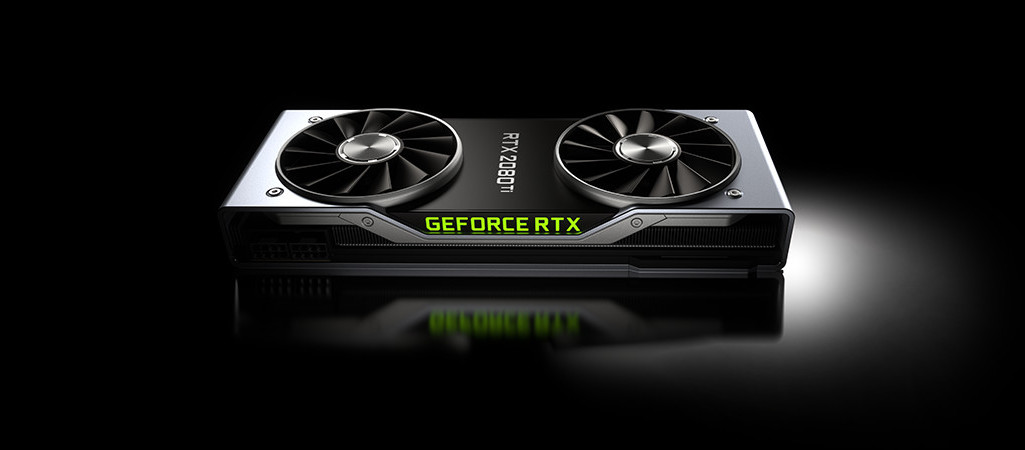
The GeForce RTX announcement was a bombshell. Finally, NVIDIA claimed, the holy grail of real-time raytraced rendering is a reality. Gone would be the days of fully rasterized scenes in gaming, and the rendering process for computer-aided animation would be improved beyond even that offered by Volta. More realistic lighting, shadows and reflections would all be realised in next-generation games, beginning with Shadow of the Tomb Raider and Battlefield V; due not in the next decade, but the coming months.
The key was NVIDIA’s Turing architecture, which enabled a host of proprietary NVIDIA RTX technology features. Furthermore, the cards heralded the launch of GDDR6 VRAM for consumer graphics cards. But the price… well, we’ll come to that.
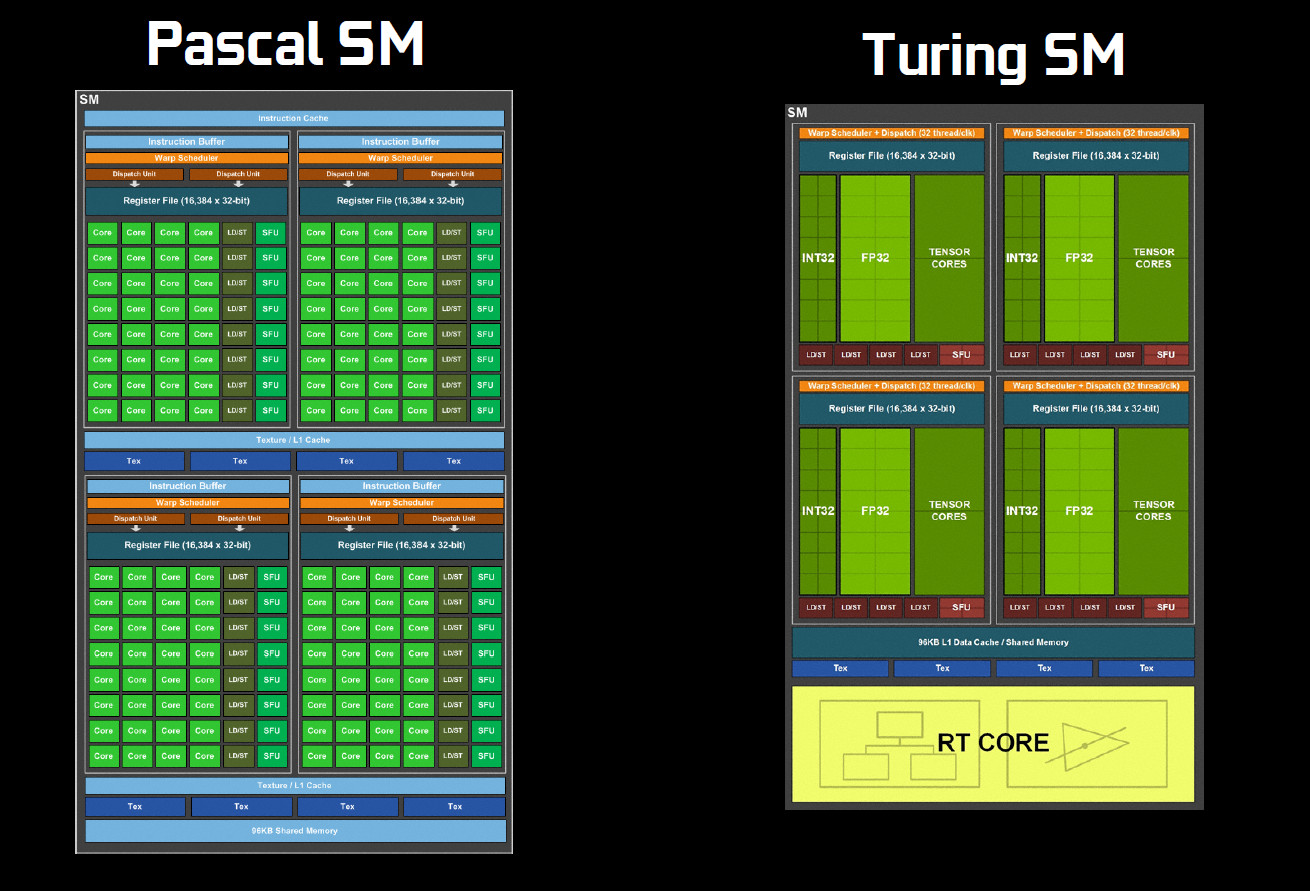
Turing re-imagines the NVIDIA GPU core shader module as one which includes conventional CUDA cores, Tensor cores that debuted with Volta and are ideal for deep learning inferencing, and ‘RT Cores’ that are optimised for NVIDIA’s recursive ray-tracing techniques. At an API level, the driver takes advantage of Microsoft’s new DirectX Raytracing (DXR) API and the next evolution of NVIDIA GameWorks for per-game feature implementations.
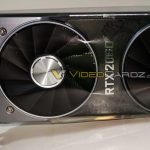
The RTX 20-series launched with the RTX 2080 Ti, RTX 2080 and RTX 2070 over the ensuing months, the first time their flagship SKU had been available at the launch of the series. These new GPUs required all-new PCB designs, the implementation of axial twin-fan cooling on the reference model, and were immense physically compared to the previous generation of consumer parts. While the GTX 10-series maxed out at 12bn transistors, the TU102 of the RTX 2080 Ti boasts 18.6bn (a 50% increase).
Our video review of the ZOTAC GeForce RTX 2080 Ti AMP! Edition, just in time for launch
So why were these benchmark-busting GPUs seen as something of a mixed blessing? The issue was two-fold: price, and availability of games that exploit the features. The latter would come with time, but at hardware launch no games, tech demos or benchmarks were publicly available that would test real-time raytracing or other RTX features such as DLSS or new shader processes. The former however remains insurmountable.
GeForce RTX treads new ground for performance, and the expectation it puts on PC gamers who want to be engaged with the latest hardware. For the first time it was expected that those who purchased the consumer flagship to routinely shell-out over £1000 at retail, and even the mid-range RTX 2070 had a $499 MSRP (which, at launch, was scarcely met here or in the US).
Despite this, and teething issues with the RTX 2080 Ti Founders Edition, the RTX 20-series continues to sell well. Plus, it’s been a win/win for NVIDIA as consumers priced out of the 20-series instead opted for GTX 10-series stock still at retailers, rather than AMD’s counterparts.
Going into 2019, we await the GeForce RTX 2060, ponder a potential split in the GeForce brand, and anticipate broader adoption of RTX technologies in today’s games. Price reductions in GPU hardware, however, might be more than one can expect.
—
Meanwhile, things have been atypically quiet at AMD Radeon, who had little to offer consumers by the way of new graphics hardware in 2018. The RX 500-series and RX Vega suffered from the hang-over of the cryptocurrency downturn deep into the year, restricting availability and keeping prices high. At MSRP AMD hardware is very competitive from a price/performance standpoint, but at a raw performance level failed to compete in games at the high end.
There was a brief ray of sunshine on the horizon in the early summer, as Radeon announced that they would be first to 7nm with their next GPU release in early 2019. Little was disclosed about this hardware, and it was confirmed that the update would debut as an enterprise-class Radeon Instinct model, but there remains hope that AMD can pull the proverbial rabbit out of the hat. With NVIDIA forging ahead on ray-tracing, the Red Team have their work cut out.
Rounding out the year, AMD also released the Radeon RX 590. A refresh of Polaris on 12nm, it didn’t set any performance records or bring any new features to the table, but does push not inconsiderable performance improvements out of an architecture which is essentially two and a half years old now.
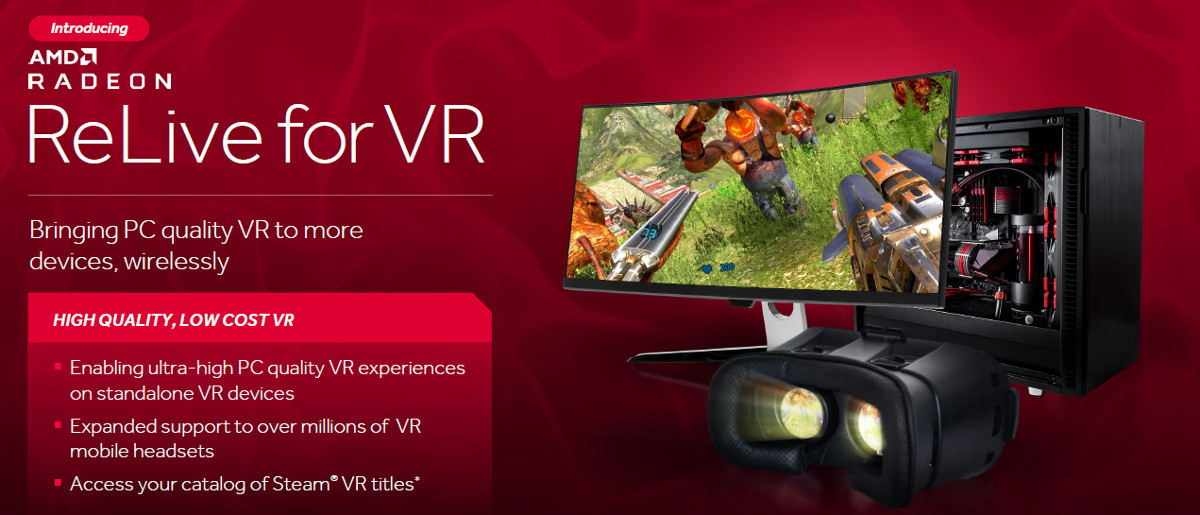
Finally, both teams deserve immense credit for their efforts in keeping driver software up to date as new games are released. Furthermore AMD Radeon continued their yearly major update cycle in December with Radeon Software Adrenaline Edition 2019, once again bringing with it major new features that show a commitment to deepening the value of every Radeon GPU, even those from generations long retired.
CPUs – A Core Dilemma
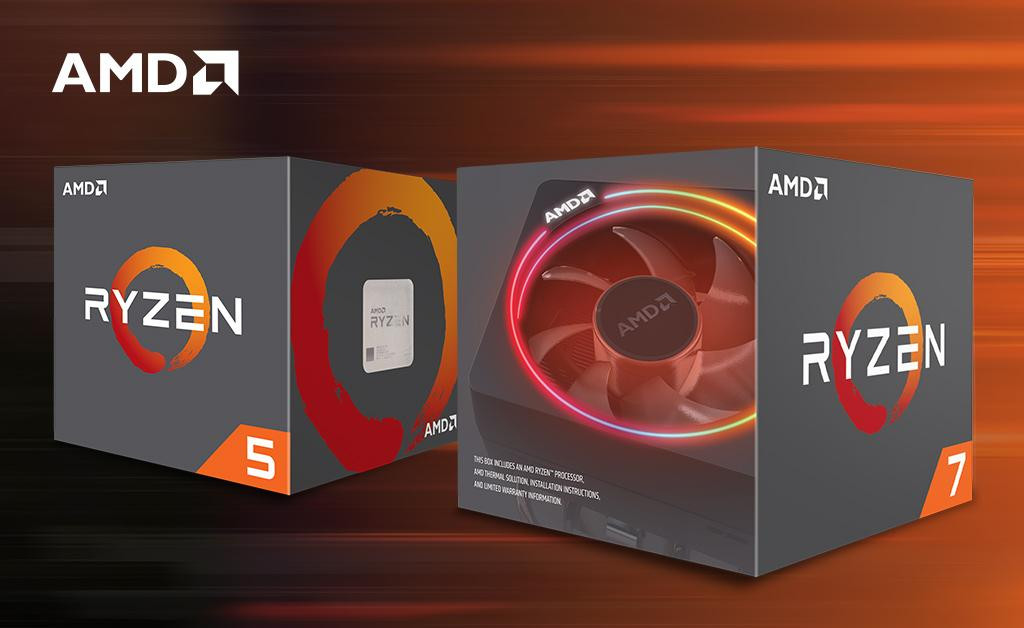
While the GPU conversation may well have seemed like a one-way street in favour of NVIDIA, 2018’s CPU market was the most competitive it’s been in years. That competitiveness extended from top to bottom, encompassing the gamut of budget desktop offerings through to high-end server chips.
We ended 2017 with AMD and Intel duking it out in an exceptionally tight battle. Ryzen’s release had forced Intel into a corner, pushing them towards bringing six cores into their mainstream platform as the Coffee Lake-based Core i7-6700K. Threadripper too triggered a more aggressive Intel approach, as the Core X HEDT platform would now offer up to 18 cores (36 threads) in a single package known as the Core i7-7980XE. For the first time in a long while it felt like Intel were playing catch-up, and it seemed like AMD had more in the tank. So it proved in 2018.
The first major release of 2018 was AMD’s. Desktop APUs, long the mainstay of AMD’s processor lineup in the troubled times between 2011 and 2016, hadn’t been updated to reflect either the new graphics or CPU architectures available to AMD. That would be rectified with the first Ryzen 2000-series CPUs, incorporating Zen CPU architecture and Radeon Vega Graphics in one package on the AM4 socket. AMD 300-series motherboards would already support the new APU thanks to the single-socket mainstream desktop platform approach.
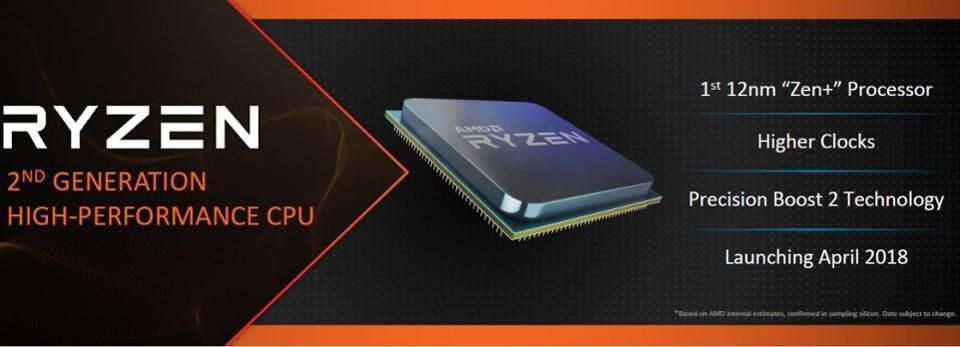
AMD were far from done. As Winter gave way to Spring, so the Ryzen 1000-series was refreshed into the 2000-series. Although Zen+ was primarily designed to exploit TSMC’s 12nm process – itself a derivative of the 16nm process on which first gen Ryzen was built – it would allow for a few tweaks here and there that culminated in a substantially superior package. AMD’s motherboard chipset range was also refreshed to the 400-series, but the platform remained broadly backwards- and forwards-compatible.
Perhaps the greatest innovation 2nd gen Ryzen brought was the introduction of a new multi-core turbo mode known as Precision Boost 2. Leveraging improved sensor data (thanks to AMD SenseMI technology), PB2 dynamically boosts operating frequency no matter the number of cores loaded. Previously, once more than two cores were under heavy load, the Precision Boost algorithm drastically limited operating frequencies across all cores.
Precision Boost 2 makes post-purchase overclocking all but obsolete for all but the most adept of enthusiasts, while at the same time increasing the value of high quality cooling. Suddenly, even the rankest of amateurs could exploit even more that the underlying silicon had to offer, beyond the raw specifications on the box.
—
Not everything in 2018 went AMD’s way. A mini-controversy brewed in March as cybersecurity researchers CTS Labs accused AMD of having “complete disregard of fundamental security principles” due to “the basic nature of some of [..] vulnerabilities [outlined by CTS Labs.]”. They labelled these vulnerabilities ‘RyzenFall’ and ‘Masterkey’, it what appeared to be a rather brazen attack on AMD specifically.
AMD’s response was measured, while cybersecurity experts seemingly queued up to debunk the claims made by CTS Labs. In particular, it was quickly noted that many of the vulnerabilities actually exploited 3rd party hardware rather than AMD’s own, and that many required root and physical access to the hardware to exploit. In essence, the requirements necessary to take advantage of the vulnerabilities would mean that the intruder could already do far more damage through more direct means.
Outrage soon petered out, and it’s unlikely to have done any long-term damage.
—
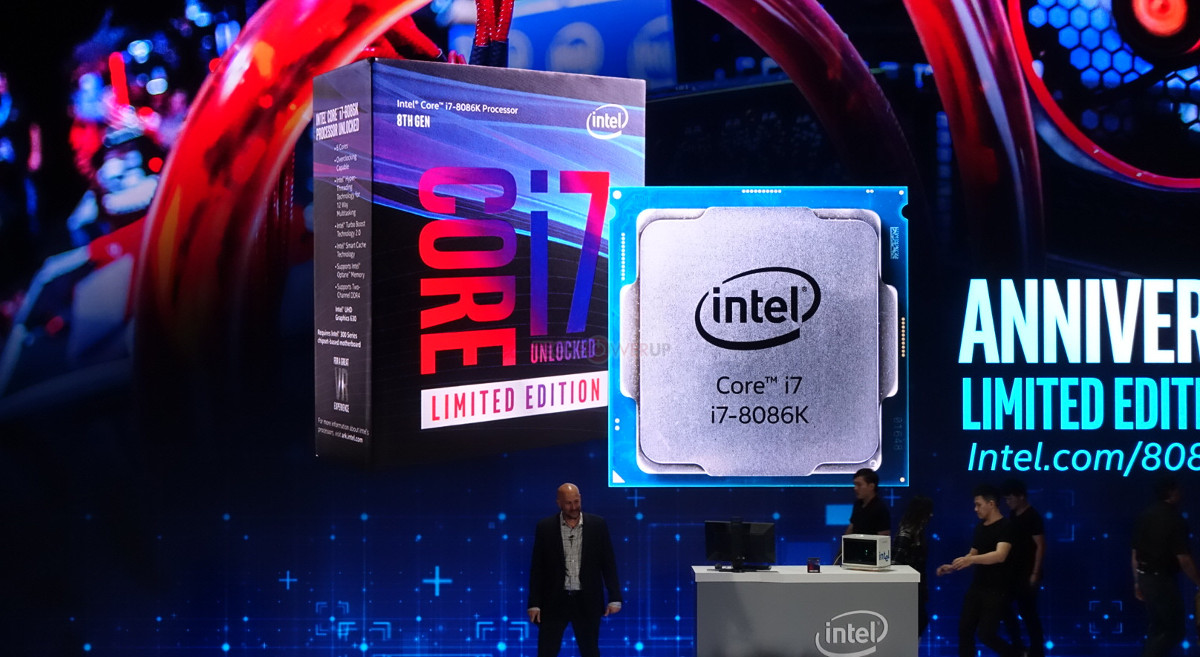
Intel’s Computex 2018 Keynote also saw the unveiling of the Core i7-8086 Anniversary Edition
While the GPU market remained dormant CPUs took centre-stage at Computex in 2018. Intel, seeking to capture the headlines, reeled off a range of accomplishments and announced a new Core X HEDT lineup during their Keynote presentation. Perhaps the highlight of the conference however was a demonstration of their upcoming Core X flagship, a 28-core monster chip operating at 5GHz that would cut through multi-threaded benchmarks like a hot knife through butter.
All was not as it appeared.
Later on that week AMD presented their own upcoming HEDT platform, a refresh of 2017’s Threadripper. Soon to be available in 32-core configurations, up from 16, and eclipsing all of Intel’s HEDT lineup (current and announced), 2nd Generation Threadripper brought plenty of the good stuff from their EPYC server lineup. To really put the boot in, AMD re-ran the same benchmarks previously blitzed by Intel’s 28-core 5GHz demo, putting the results in the shade without the need for exotic cooling and an extreme overclock.
—
Summer and Autumn months drove home the quickly-changing nature of the CPU market in 2018. AMD led the way with 2nd Generation Threadripper in August, boasting both the 16-core and 32-core models at extremely competitive prices for an HEDT chip. A gauntlet was thrown down in the form of the 32-core, 64-thread Threadripper 2990WX for an MSRP of only $1799 (less than $60 per core), one which Intel would struggle to respond to.
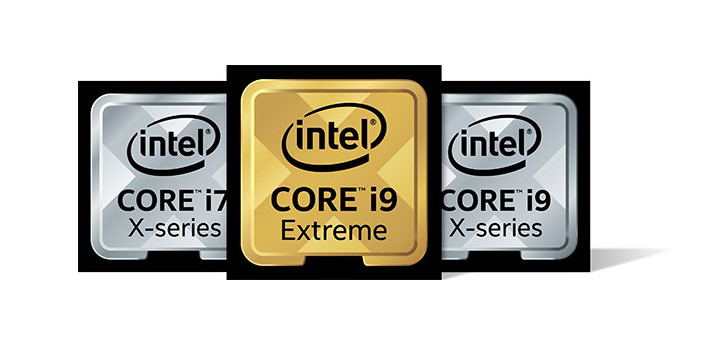
Nonetheless, Intel finally had their own many-core answer to the vexing problem of 2nd Gen. Ryzen in the mainstream. October saw the launch of the 9th Generation CPUs, based on Coffee Lake and debuting the Core i9 branding in the mainstream consumer platform. So marked the entrance of an Intel 8-core/16-thread option on the mainstream platform, the Core i9-9900K, as well as 6c/6t now being something of a baseline thanks to the i5-9600K. Hitting 5GHz Turbo, the flagship swiftly became the CPU to beat in gaming. At an MSRP of $488 however, and low availability pushing street prices higher, AMD was still able to match on a price/performance basis.
Intel’s Core i9-9900K has genuine flagship performance, check out our review
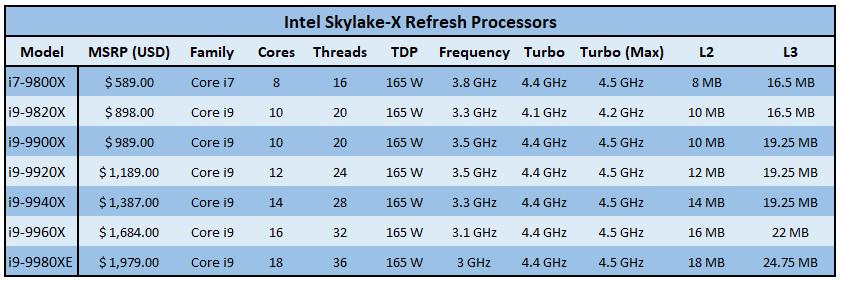
As the leaves left the trees Intel launched their refreshed Core X lineup. Now entirely based on a refreshed Skylake X architecture, it dispensed with the irrelevant quad-core entry level Kaby Lake-X models in favour of starting at 8-cores with Hyperthreading. Clock speeds were adjusted upwards across the range (considerably in the case of the i9-9980XE), and L3 cache quantities were re-jigged in a couple of segments, but little meaningfully changed compared to their 7000-series counterparts otherwise.
More recently, Intel’s 28-core behemoth exhibited at Computex appeared on websites as the Xeon W 3175X, priced at $3999. That rather stark price differential compared to the 32-core Threadripper all but consigns it to a very different market, even if it is marketed as a HEDT chip.
AMD’s aggressive Threadripper pricing, even at the top-end where they appear to offer features (i.e. 32 cores) that Intel cannot, means that the CPU market is as exciting at the end of the year as it was at the start, if not more so.
There’s plenty more to come in 2019. Zen 2 will make an appearance in the radically re-designed 2nd generation of EPYC server CPUs code-named Rome, and TSMC’s 7nm manufacturing process will be used for the first time on these processors. Transitioning to 7nm may also allow AMD to compete in pure clock speed with Intel, making them more attractive still to gamers as and when Zen2 arrives on the mainstream and HEDT platforms. For their part Intel still have work to do on a die shrink of their own, but don’t count out their talented engineers (or deep pockets) prematurely.
Not to be Forgotten – Memory
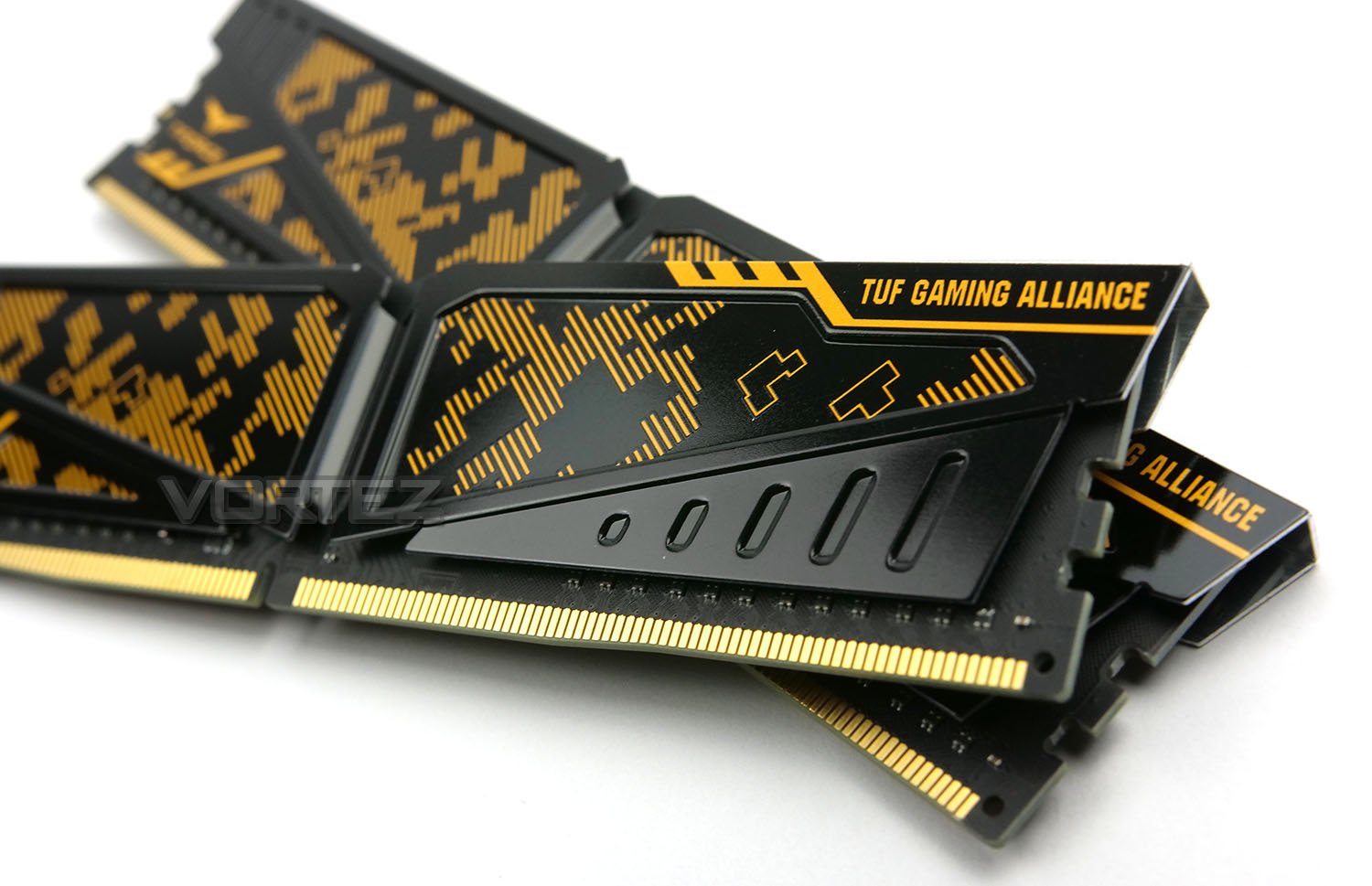
When reflecting on 2018, it’s no surprise that the market that appeared to exhibit the least change was memory, specifically DRAM. Advancements in this field typically coincide with major CPU platform updates, as with the introduction of DDR4 memory alongside Intel’s Haswell-E architecture in 2014. Manufacturing improvements are far less heralded than equivalents in the CPU and GPU market, often going unremarked on outside of trade publications despite the enormous expense incurred by opening up new fabs. But we shouldn’t underplay its importance to the PC market as a whole.
The year began with DRAM maintaining historic cost highs seen in 2017, a status reflective of constrained supply and heightened demand from smartphones diverting supply away from the mainstream PC segment. In 2017 the price per bit of DRAM increased by almost 50%, a rise that was surely unsustainable. Coupled with GPU pricing, the consumer PC market hit a rough patch which seriously hamstrung attempts to implement system upgrades or complete new purchases. Many were limited to the minimum expected 8GB system configuration as 8GB DIMMs refused to budge, which will potentially have lasting effects as software requirements climb.
As 2018 progressed price issues eased slightly, but not all may have been due to market conditions. It was revealed in May that Samsung, Hynix, and Micron were facing a class action lawsuit for DRAM price fixing, allegedly conspiring to inflate DRAM pricing and thus increase profits. The trio are responsible for as much as 98% of DRAM production worldwide, so it’s no wonder that regulators took notice.
Investigations are currently on-going, but in November Chinese anti-monopoly investigators alleged that their probe into these companies’ actions had ‘made progress’ and uncovered ‘massive evidence’; evidence of exactly what they will not say. US authorities meanwhile claim that the Chinese investigation is a shake-down for access to foreign technologies and to use as a bargaining chip in the on-going trade fracas between the two nations.
It must be said that the big three make for easy targets. In the early 2000’s five DRAM manufacturers entered into plea agreements with the US Government on charges connected to international price-fixing, including Samsung, SK Hynix and Micron.
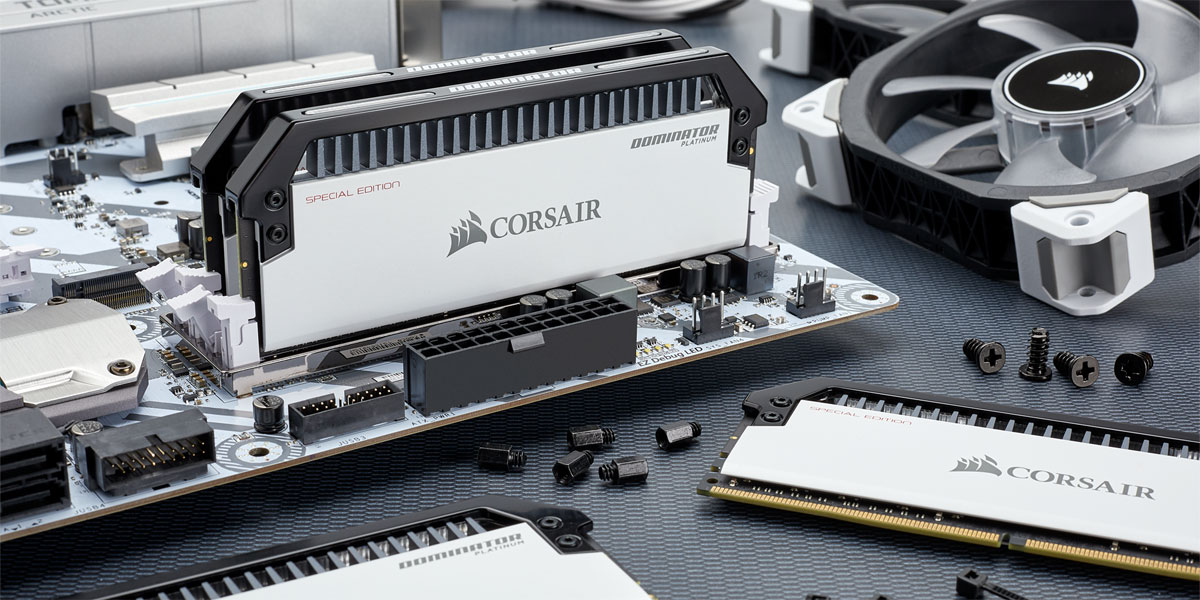
Launched in April, Corsair’s Dominator Platinum DDR4 RAM is a real treat for the eyes
While RAM is still relatively expensive, performance continues to rise based on improved manufacturing processes and binning. DIMMs rated at DDR4-4600MHz are now available at retail for real enthusiasts, and the popularity of AMD’s Ryzen and Threadripper platforms have allowed users to leverage high speed DRAM to a greater degree for real-world gains.
As for next year, reduced pricing is what everyone is expecting (and possibly demanding). That said, JEDEC has specced out the DDR5 standard, and SK Hynix have announced the production of chips operating at DDR5-5200 (a data transfer rate roughly 60% faster than mainstream favourite DDR4-3200) and Registered DRAM modules running at that speed. We wouldn’t bet against DDR5 making an appearance, although not until 2019 is in its twilight.
Storage – NVMe Makes A Dent
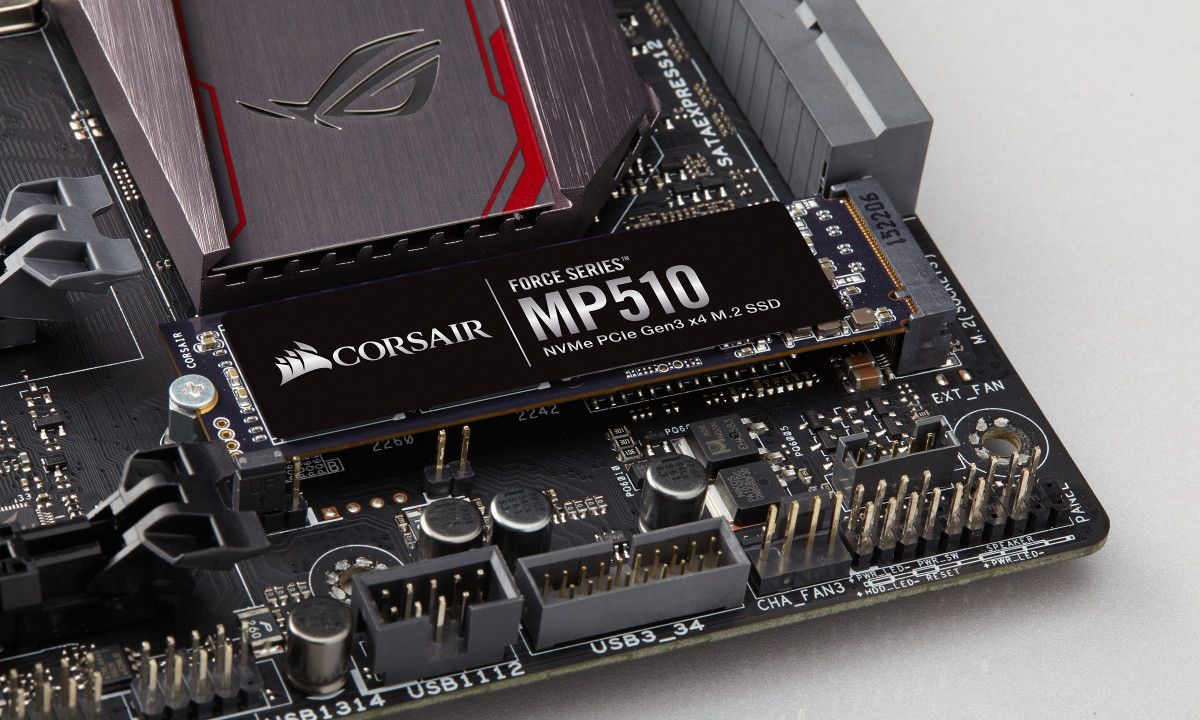
Is anyone still buying mechanical hard drives? In 2018 Solid State Drives had a stranglehold on the consumer storage market due to aggressive price competition, performance improvements and ever more capacious capacities.
This year was a watershed period for the M.2 NVMe SSD drive standard in the consumer PC space. Although it has for some time been a defacto choice for ultrathin laptops, the near universal presence of the M.2 slot on all motherboards purchased since 2017, whether they be based on AMD or Intel chipsets, has meant that the potential market for drives has grown significantly. Tracking alongside that has been a reduction in price for NVMe drives of viable ‘OS drive’ capacities (i.e. 250GB and higher) and new performance milestones.
Corsair and Samsung have lead the way in performance, offering drives that can now almost saturate the four lane PCI-Express 3.0 I/O available to M.2. Samsung’s 970 EVO is widely accepted as the market leader thanks to sequential read speeds up to 3500MB/s and write speeds as high as 2500MB/s, but Corsair’s MP510 is no slouch either. Both drives have traded blows in our reviews.
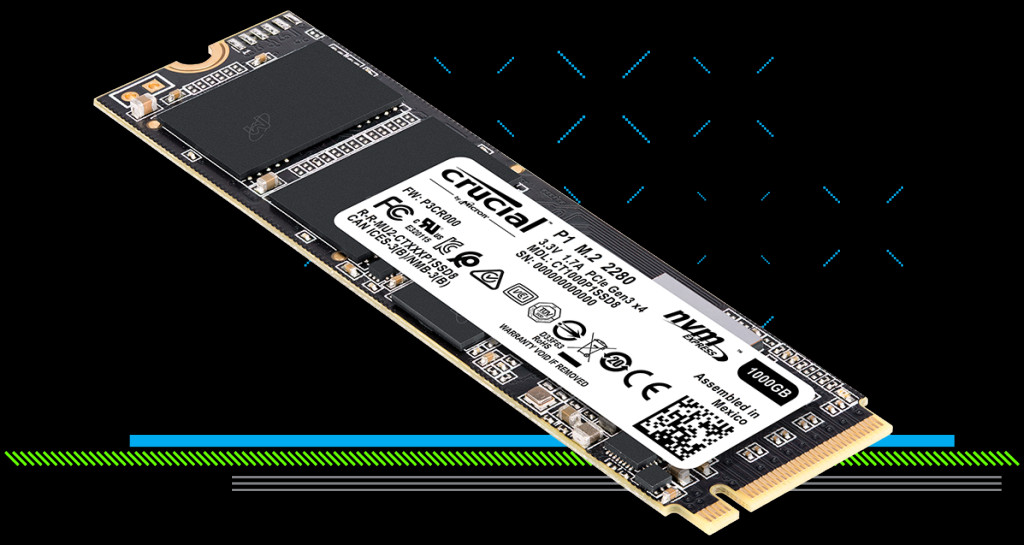
Crucial’s P1 Series SSDs made its presence known at the more affordable end of the NVMe spectrum
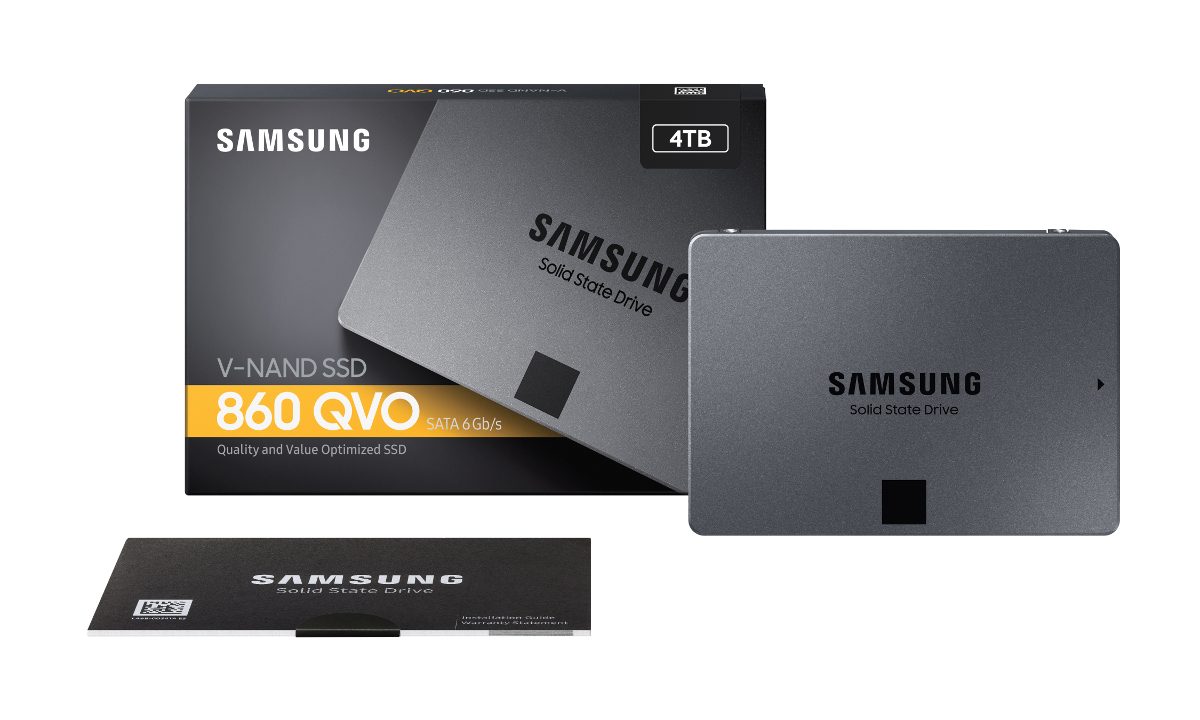
Just as M.2 SSDs have improved and deepened the variety of models available, so standard SATA SSDs have fallen out of vogue. Price pressures have driven manufactures to embrace technologies that increase drive capacity (or density), sometimes at the expense of fine performance metrics. Drives as large as 4TB are now available in the 2.5” form factor with SATA III connector, but latency and IOPS will often be poorer than smaller drives released years ago. Triple-Layer Cell technology has given way to Quad-Layer Cells (storing 4 bits per cell), but with that comes a commensurate decrease in write durability. Both Micron/Crucial and Samsung introduced their QLC NAND technologies in 2018, with Samsung launching the 860 QVO in November.
Despite understandable stagnation in performance, mechanical HDDs continued to increase in capacity in 2018. Western Digital’s Ultrastar Enterprise HDD platform for example hit 14GB in April, and mechanical drives remain the most affordable option for large capacity local storage and NAS systems both at home and in enterprise environments. Mechanical drives certainly aren’t dead yet, but they’re becoming a niche product as SSDs take over the mainstream.
Finally, we should also mention Intel Optane. These drives remain something of an unknown factor in the market, representing only a small fraction of sales in both the consumer and enterprise space. The technology is just as exciting as it was when it debuted – latency is low, while on-paper write endurance is exceptional – but despite great promise, performance is not quite so barnstorming when compared with modern NVMe SSDs as opposed to those of 2015 vintage. A factor in that is also the price and current capacity limitations, making the drives more appropriate for ‘caching’ and multi-tier storage configurations than stand-alone OS drives.
In October Micron announced their intention to buy Intel’s remaining 49% share of the IM Flash joint-venture and develop their own 3D XPoint products for 2019. It remains to be seen what that means for Intel and Optane.
Other Trends in 2018
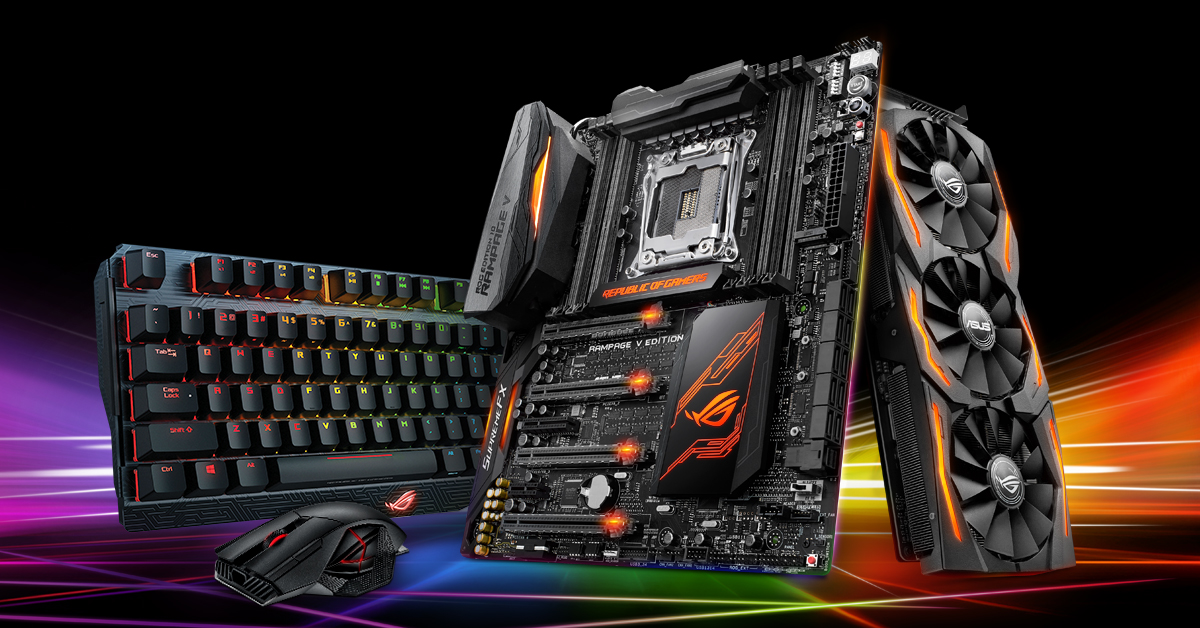
RGB All The Things!
RGB LED lighting remained pervasive throughout component designs in 2018, with only hints of deeper consolidation in control schema. The major motherboard manufacturers continue to dictate lighting control schemes to the rest of the industry through proprietary implementations including ASUS AURA, MSI MYSTIC LIGHT and GIGABYTE RGB FUSION; inroads have however been made by peripheral manufacturers with large install bases such as Corsair.
In contrast, Cooler Master are pushing the Addressable-RGB standard as a means of, if not unifying control schemes, at least making them more inter-operable. Chassis and case fans have gone on sale supporting their standard, but it will require some heavy developer investment (as well as some canny negotiating) to get more manufacturers on board.
TUF Gets Going
The TUF Gaming Alliance grew out of a re-branding initiative by ASUS. No longer a premium label indicating rugged ASUS motherboards, it has been repurposed to be an ecosystem of components with guaranteed stability and inter-operability. Often leaning towards the more affordable end of the spectrum, it has become an excellent way for consumers who aren’t the most knowledgeable to select hardware with peace of mind.
Today fifteen manufacturers engage with the TUF Gaming Alliance, making available TUF memory, storage, cooling, power supplies and cases. All are guaranteed to be compatible with each other and ASUS TUF motherboards, as well as having a broadly similar aesthetic design (which can often be tweaked after purchase).
Cooling Stays Chill
Not much changed in the cooling market, likely following the ‘it is isn’t broke, don’t fix it model’. CPU sockets are unchanged from 2017, so with the exception of more affordable AIO liquid cooling and a more diverse selection of RGB fans, there really hasn’t been any clear avenues for innovation.
A pleasant addition for AMD Ryzen Threadripper users have been the release of more CPU coolers that natively support the TR4 socket and wide-base CPU heatspreader. Increased TDP on the 2nd Generation Threadripper CPUs available from August meant that proper cooling was all the more important; conventional AIO liquid coolers failed to cover the entirety of the heatspreader, and hence not all of the active CPU dies.
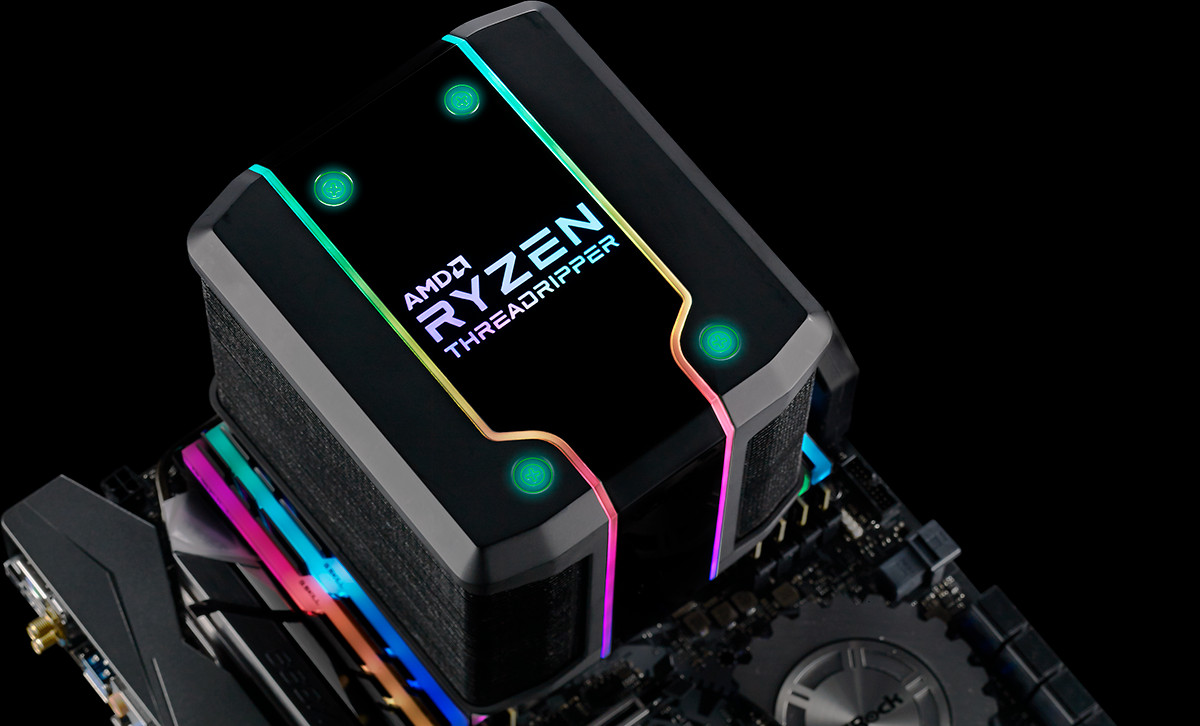
In this vein, Cooler Master launched the Wraith Ripper for AMD’s flagship Ryzen Threadripper 2990WX. A beast of copper and aluminium, it’s an air cooler for an extreme CPU complete with RGB lighting.
Mechanical Switches For Everyone
If you bought a new gaming keyboard in 2018 chances are you either opted for one with mechanical switches, or thought long and hard about doing so. Like many other components the prices of mechanical keyboards in 2018 have been eye-watering, often pushing well past the £100 mark that was once the peripherals’ sweet spot. That said, there have been a few bargains to be had if you’re willing to go back a generation.
One aspect that you might not have considered however is that many of those keyboards you had your eye on incorporated switches other than the popular Cherry MX type. Corsair’s partnership with Cherry has meant that they get first dibs on the new switch technologies developed for the consumer market, which has led competing keyboard manufacturers to diversify away from the brand.
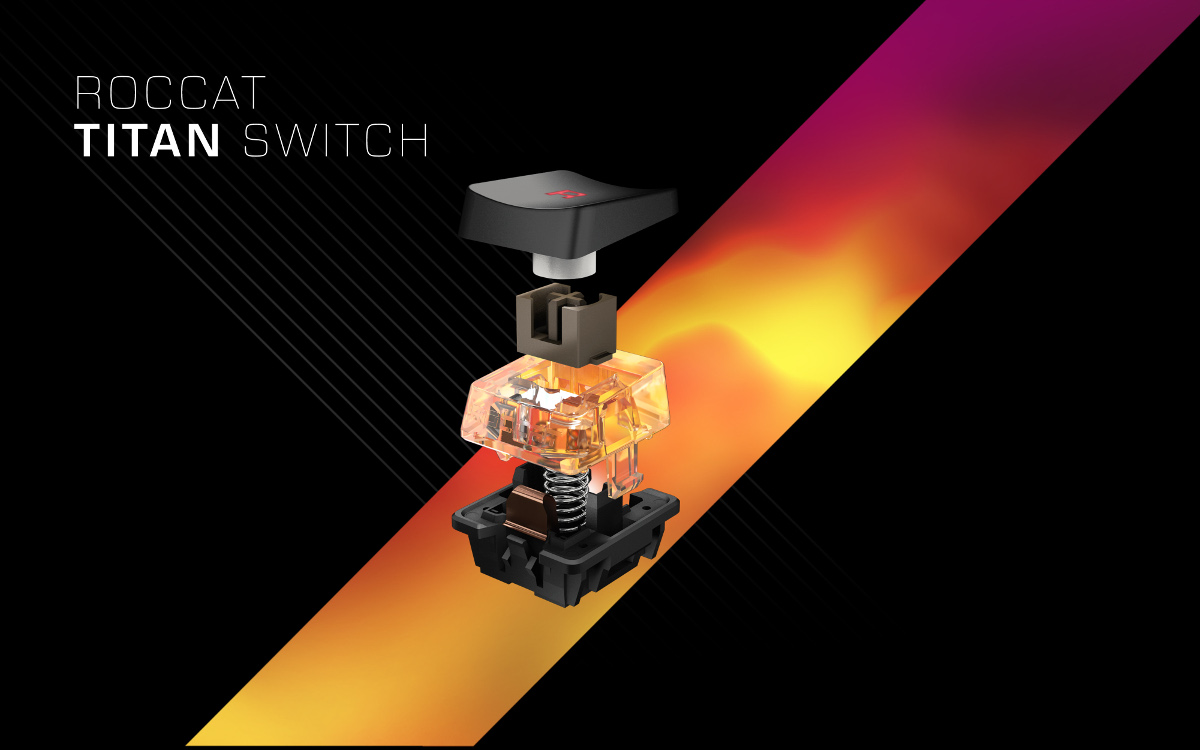
Razer have long pushed their own mechanical switch as a core selling point for the BlackWidow. Logitech too have their home-brewed Romer-G, which was integrated into more products this year including some aimed at the pro gaming marketplace. ROCCAT launched the Titan switch in May, pushing unique aesthetics alongside reliable and consistent keystrokes. The first Titan Switch-equipped keyboard, the Vulcan 120, finally became available in November (and you can of course read our review here).
Cooler Master, like Razer, are also in the process of designing and implementing an optical mechanical switch which they call ‘Aimpad’. Unlike the Razer Purple Switches however these are analogue rather than simple on/off, making them complex pressure-sensitive controls. Although they haven’t made it to market yet – the MasterKeys MK851 with optical switches around the WASD zone is currently MIA – they are central to the ControlPad Kickstarter that was launched in October for delivery in May 2019.
Farewell 2018, Roll On 2019
And so, we come to the end of our brief retrospective on 2018. Did the year fill you with optimism for the year to come, or leave you with a more sceptical view of the industry than this time last year? For many big-name influencers the year has been something of a watershed moment; where previously they had an positive outlook on health and life of the platform, they’re now filled with concern.
High component pricing, at least for current generation technology, leads inevitably to systems which are expensive and poorer bang for your buck than in previous years. Technologies are becoming more proprietary rather than more open, potentially stifling competition. Manufacturers with dominant near monopolistic positions are leveraging it to dictate terms to partners, and by extension consumers. Moores Law appears to be dead as a dodo, at least in the CPU space. And trade wars loom, to the detriment of every electronics component in this worldwide market.
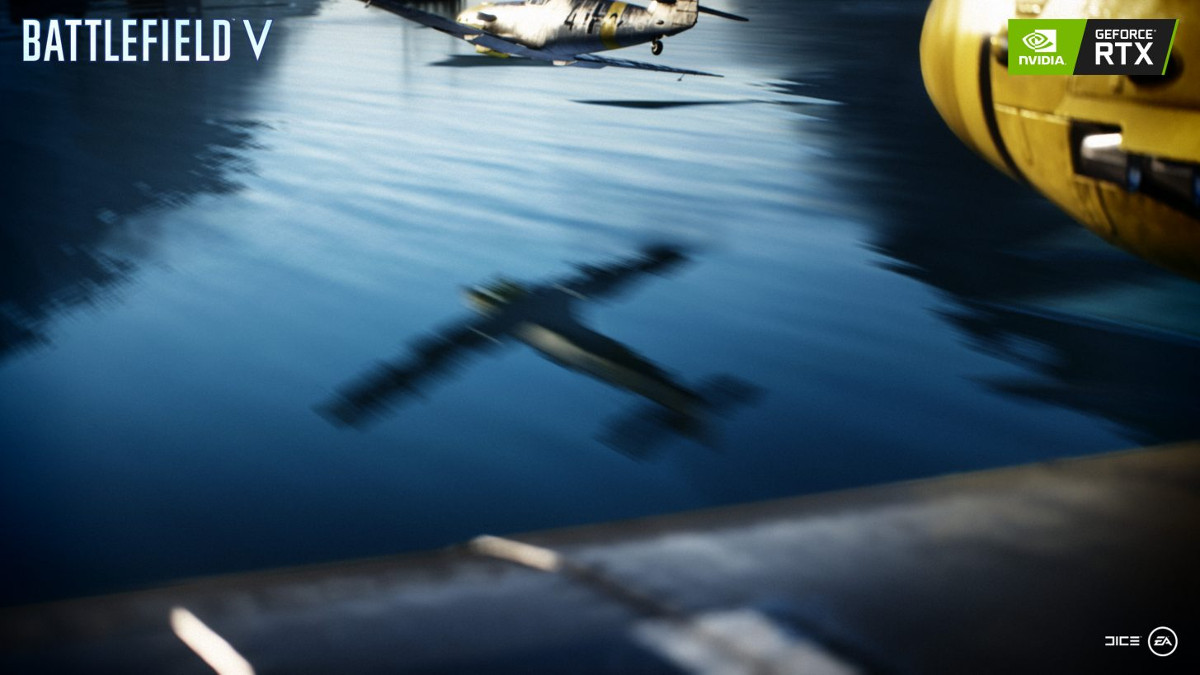
Nonetheless there’s still plenty that’s positive to reflect on. The biggest news was almost certainly NVIDIA’s RTX technology suite that both enhances visual fidelity and boost frame rates. This year may be genuinely heralded as the time when ray-traced rendering entered the consumer space, while the untapped potential of deep learning is also brought to the fore. Even if component costs are untenable, remote game streaming services may eventually help us all to experience the benefits of NVIDIA’s innovation.
Meanwhile, smaller manufacturers also continue to innovate. Whether it be peripherals in the form of new mechanical switches, new cooling technologies, attractive aesthetics or bringing manufacturers together under one roof, perhaps there is hope for the future after all.
The last year of the decade now looms large, and with it plenty of uncertainty. On the positive side, TSMC will be introducing their 7nm process node, and that means brand new CPUs and GPUs to look forward to at the very least. But in a UK-centric view, Brexit in March could wreak havoc far beyond our naïve little corner of this world.
And yet, whatever happens, we’ll still have RGB.
Until next time, we would like to wish you a Happy, Healthy and Prosperous New Year.