Is the ASUS TUF H5 good enough to stand out from the crowd or is it simply just another gaming headset? Read on to find on out.

Product on Review: ASUS TUF Gaming H5
Manufacturer: ASUS
Street Price: £85 GBP / $169 AUS
If you’re familiar with the PC, and gaming industry you’ll more than likely have heard of the TUF products from ASUS. The TUF brand originated quite some time ago with some early 990FX motherboards showcasing the TUF logo and name. Sometime later ASUS decided to make the TUF brand more premium with motherboards like the ASUS SABERTOOTH Z170 MK1 and SABERTOOTH Z170 S. This higher-end status lasted a few generations until ASUS’s STRIX and ROG line became more prominent as their higher tier offerings.
Fast forward to today, and the TUF brand does still exist in today, though it has seen a slight shift towards the lower end and mid-tier of the market. However, ASUS has not completely pushed the TUF line to the side as now they’ve created the TUF Gaming Alliance which features not only themselves but also other big players in the industry. This alliance now work closely together to create TUF branded hardware and peripherals. Some notable partner companies include Geil, Antec, Cooler Master, Corsair, G.Skill and so many more and these have all provided their expertise to release hardware such as CPU coolers, power supplies, RAM and cases.
Today we’ll be taking a look at one of ASUS’s own TUF products which takes the shape of their TUF Gaming H5 headset. The Gaming H5 is a versatile headset that can be used not only on PC but also Mac, console and even mobile. Some of its core attributes include some 50mm Essence drivers, onboard 7.1 virtual surround sound, a dual microphone setup and support for their Armoury software.
Question is, will the H5 live up to the TUF name? Let’s find out.
ASUS on the TUF Gaming H5:
TUF Gaming H5 with on-board 7.1 virtual surround and durable stainless- steel headband design for excellent PC and PS4 gaming experiences.
Technical Specifications
Headphones
Driver – 50mm Essence Neodymium
Impedance – 32ohm
Frequency response – 20 – 20,000Hz
Ear coupling – Over-ear
Cable length – 1.2m
Microphones
In-line microphone – Omni-directional, 45dB sensitivity, 50 – 10,000Hz
Microphone boom – Uni-directional, -40dB sensitivity, 100 – 10,000Hz
Compatibility
Computer – PC, Mac
Console – PS4, Xbox One, Nintendo Switch
Mobile devices with a 3.5mm connection
Driver – 50mm Essence Neodymium
Impedance – 32ohm
Frequency response – 20 – 20,000Hz
Ear coupling – Over-ear
Cable length – 1.2m
Microphones
In-line microphone – Omni-directional, 45dB sensitivity, 50 – 10,000Hz
Microphone boom – Uni-directional, -40dB sensitivity, 100 – 10,000Hz
Compatibility
Computer – PC, Mac
Console – PS4, Xbox One, Nintendo Switch
Mobile devices with a 3.5mm connection
Packaging & First Look
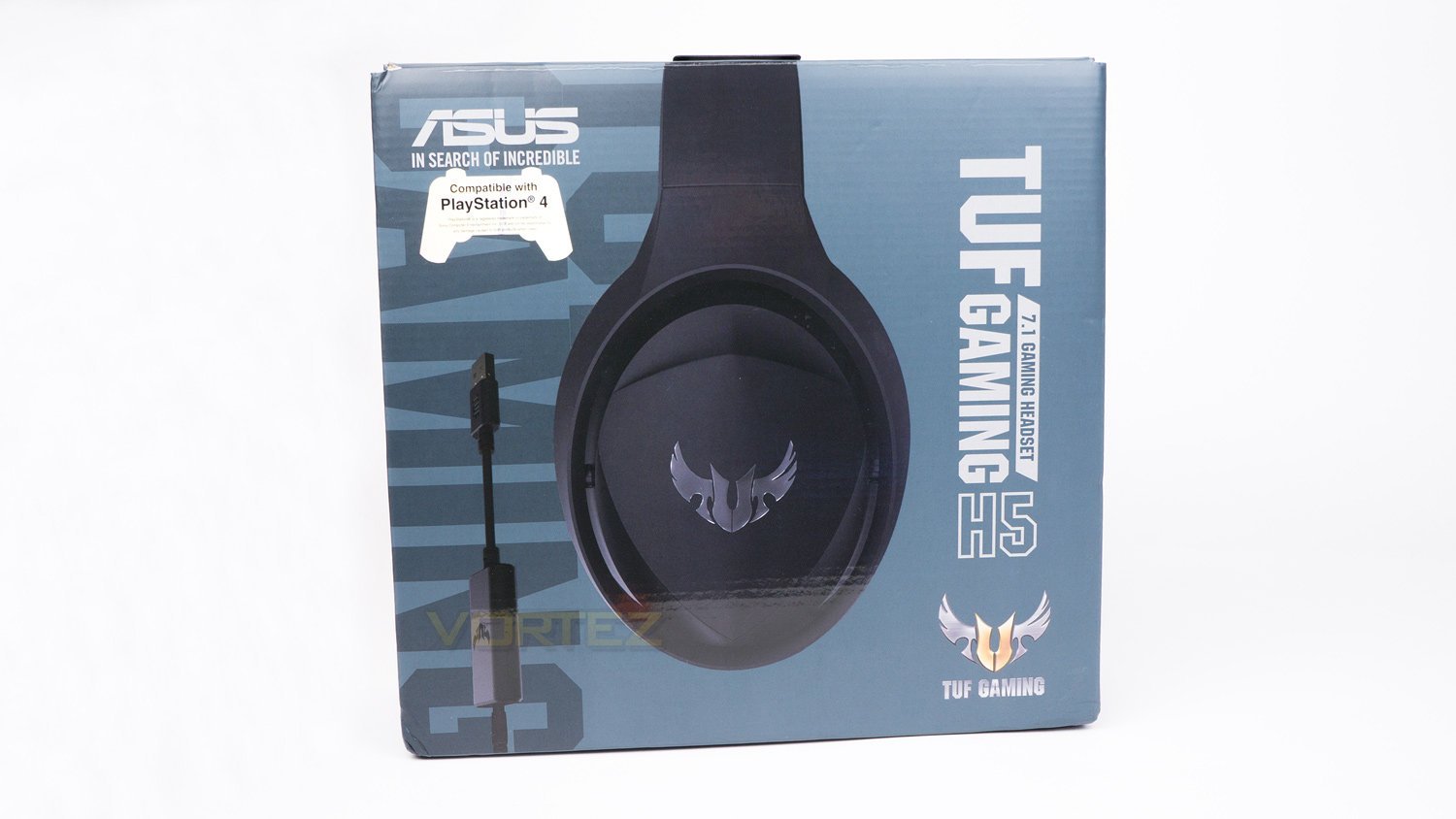
The TUF Gaming H5 arrives in a grey box with a large image of the headset on the front. There is also some branding as well as a sticker that displays the H5 is compatible with PS4.
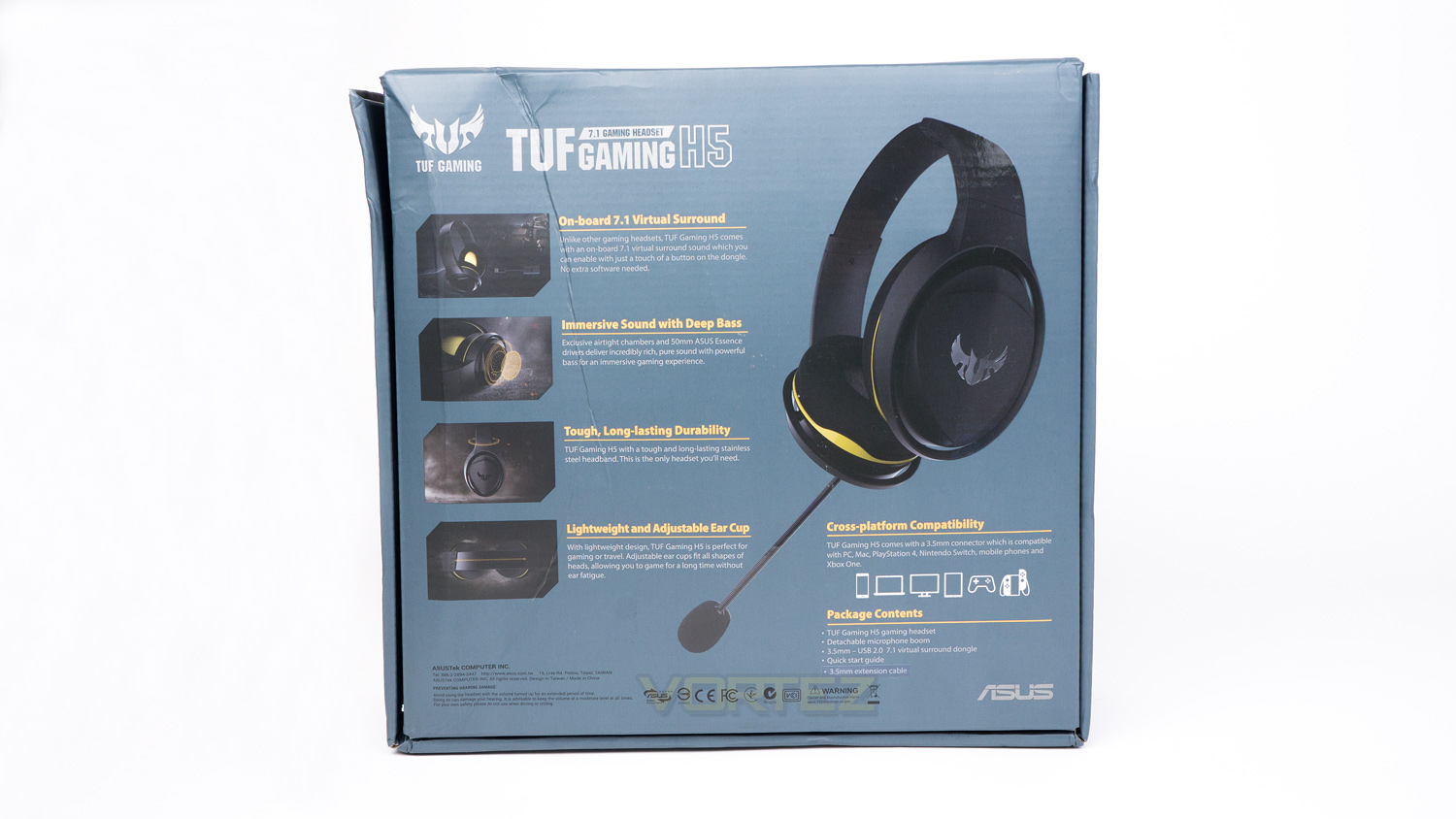
The rear of the box has some information alongside all the platforms the H5 is compatible with.
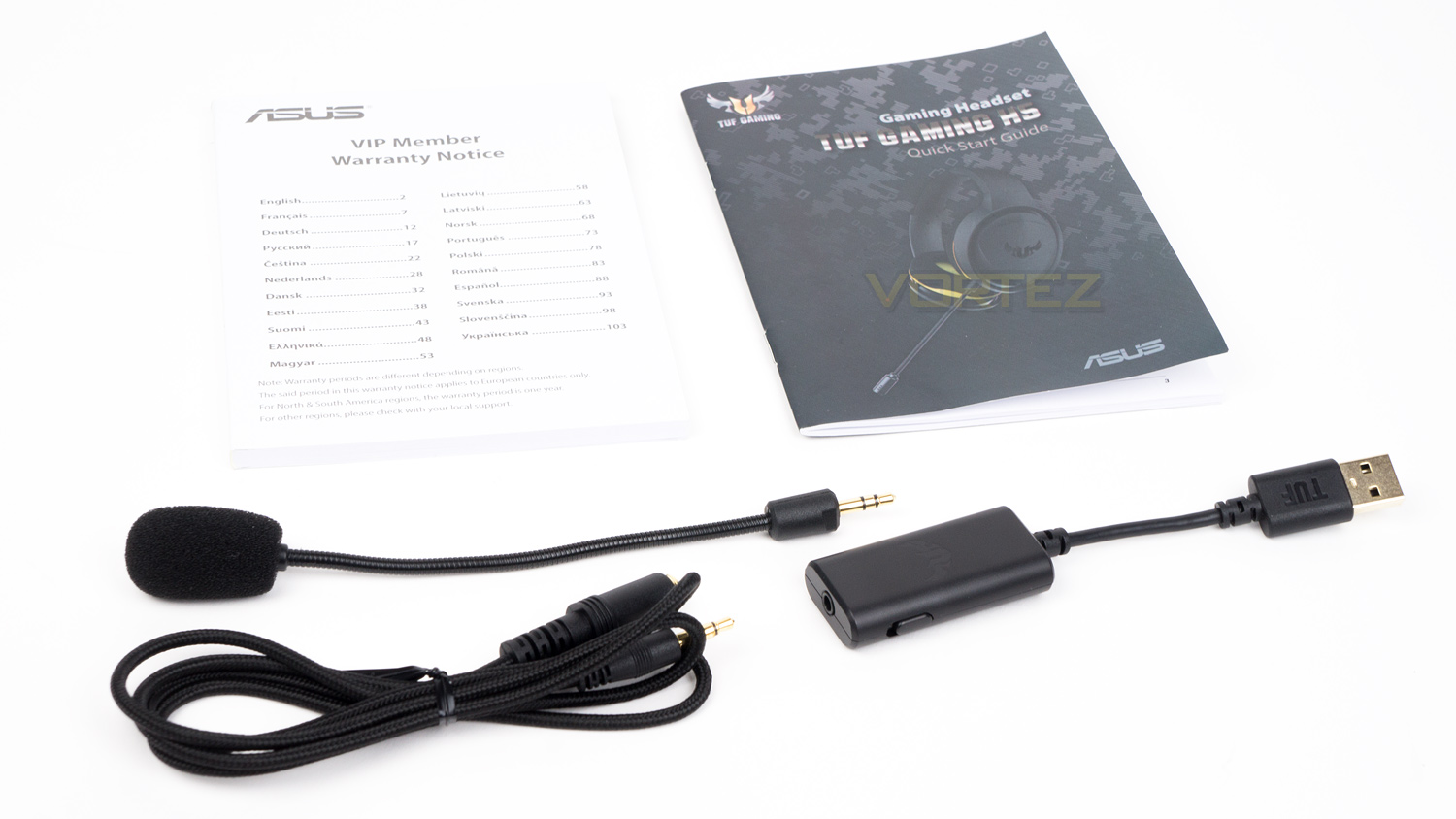
Included in the box with the H5 there is a microphone, a dongle, a 3.5mm extension and the documentation.
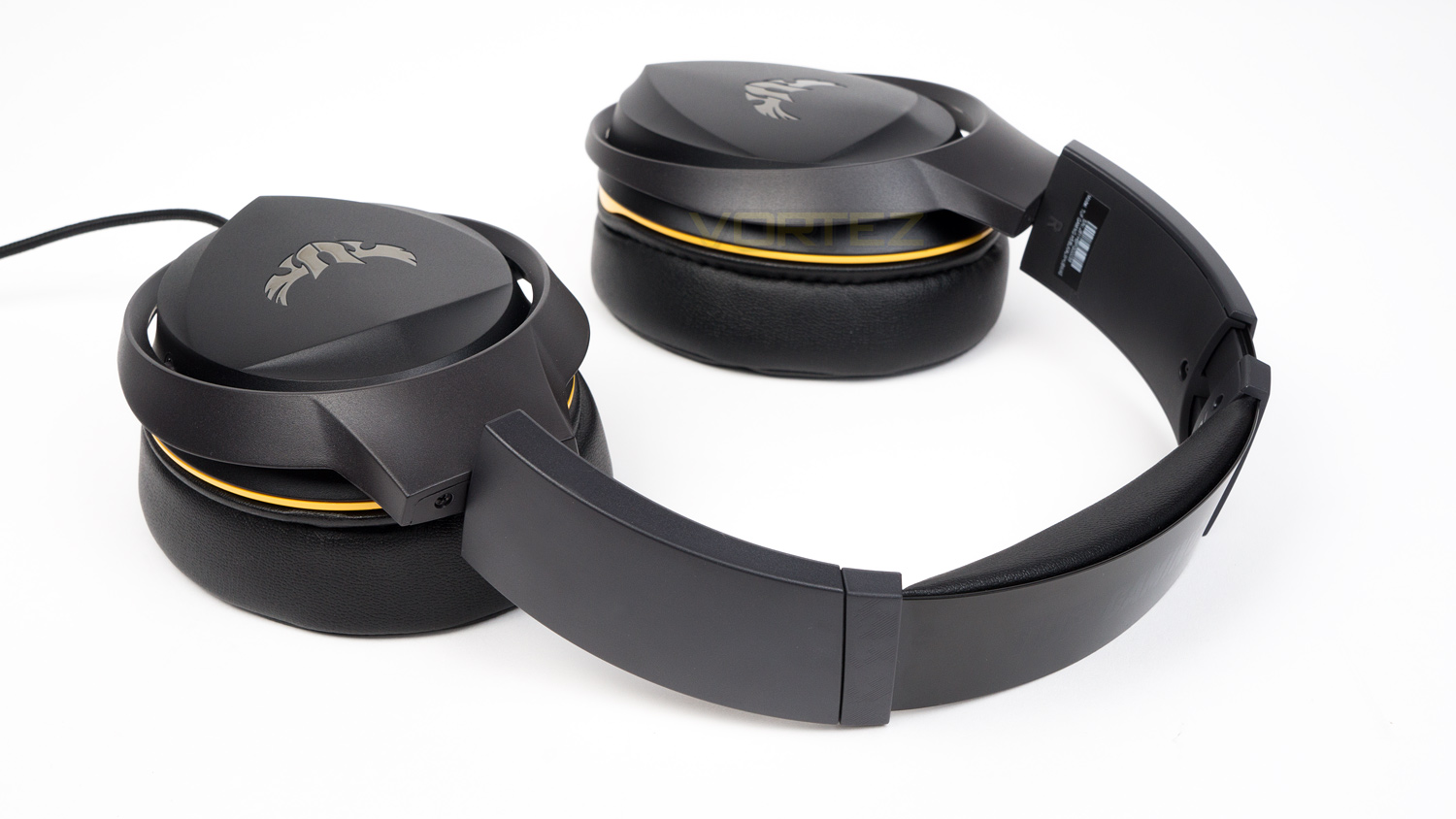
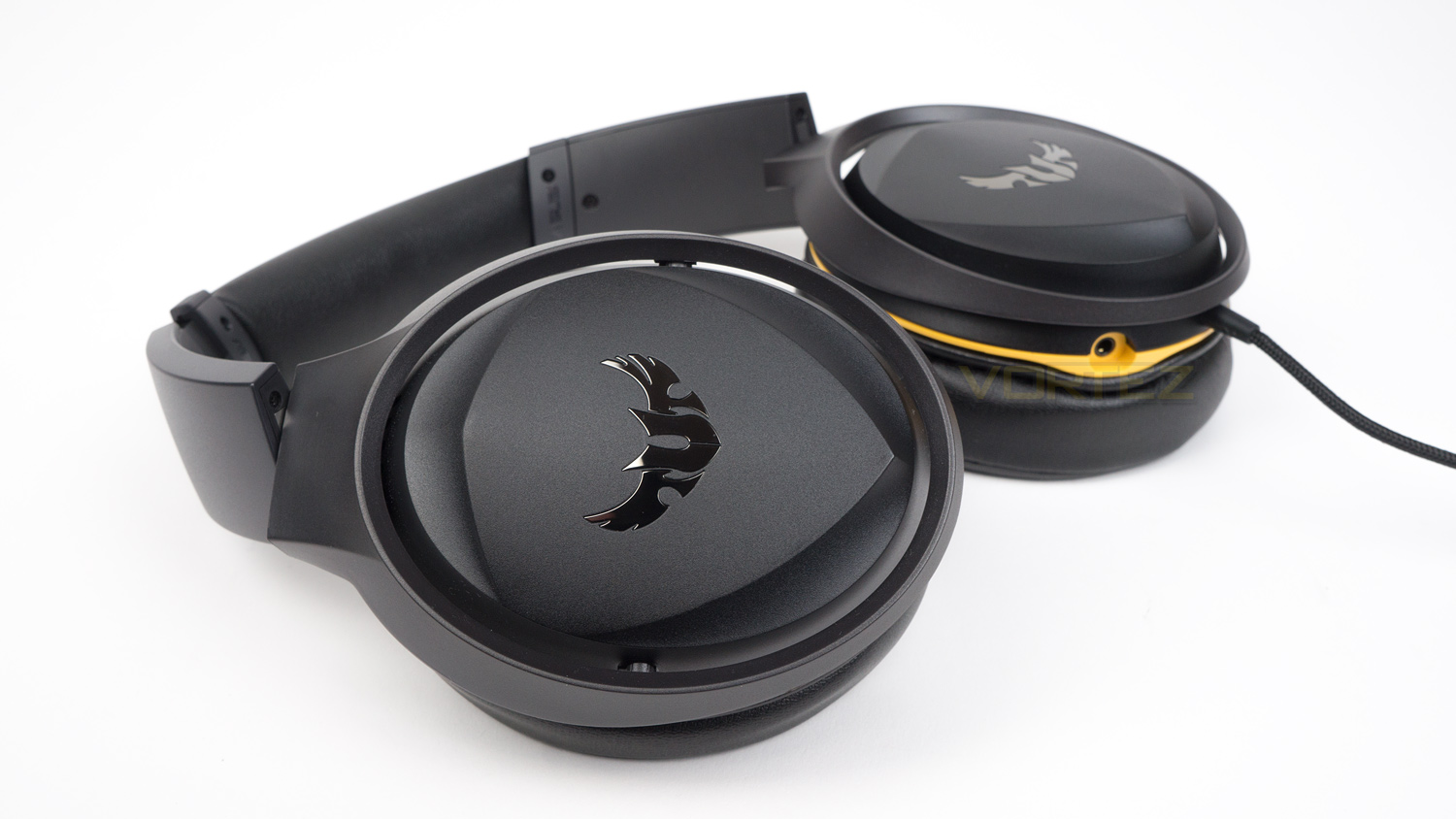
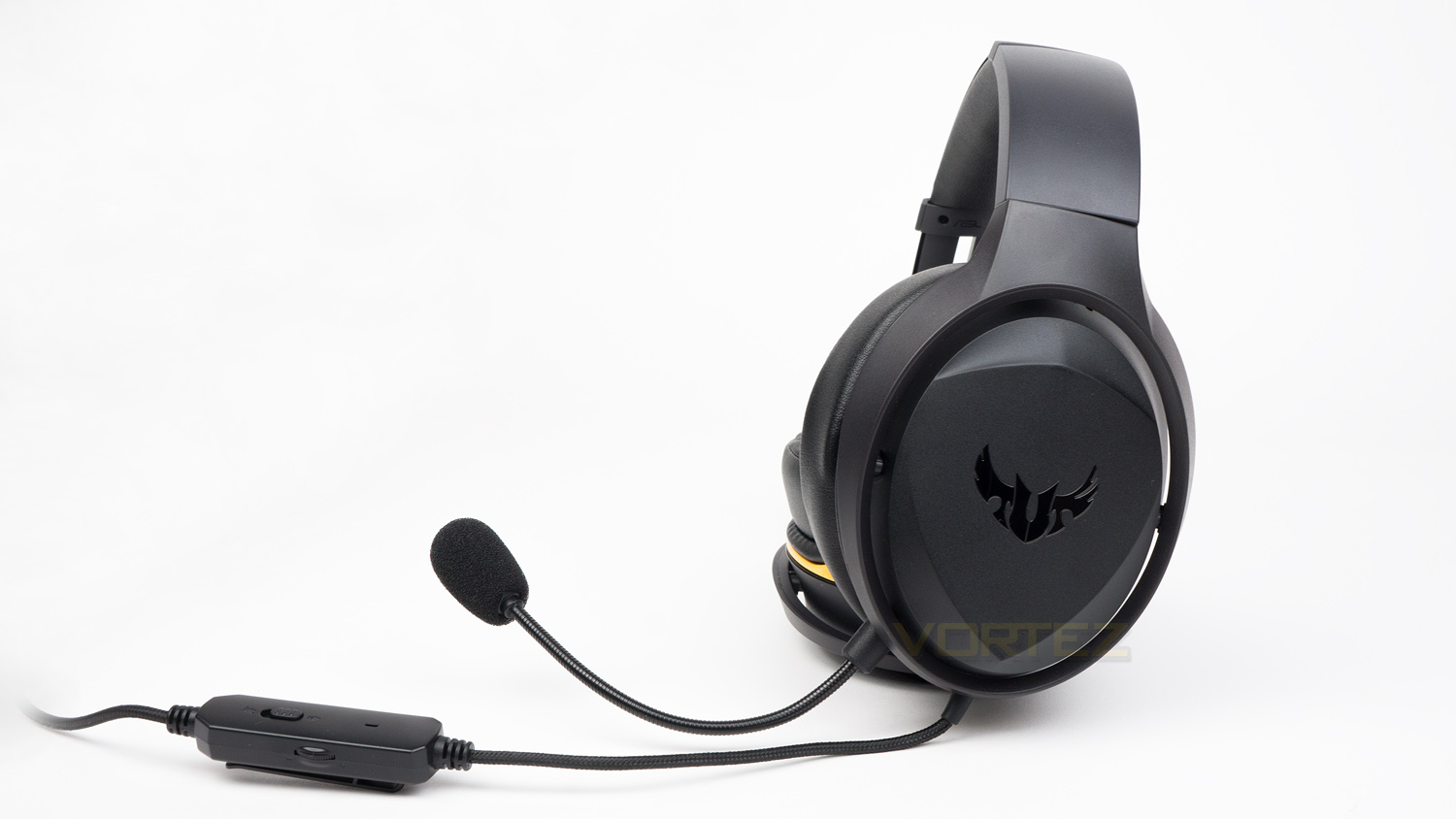
ASUS hasn’t gone all out on the TUF aesthetic and instead have taken a somewhat more subtle approach. There is still a bit of the TUF digital camo look, but it isn’t over the top, where they have gone for a bit more of a stand-out look is with the large TUF Alliance logos on the outer housing.
Closer Look
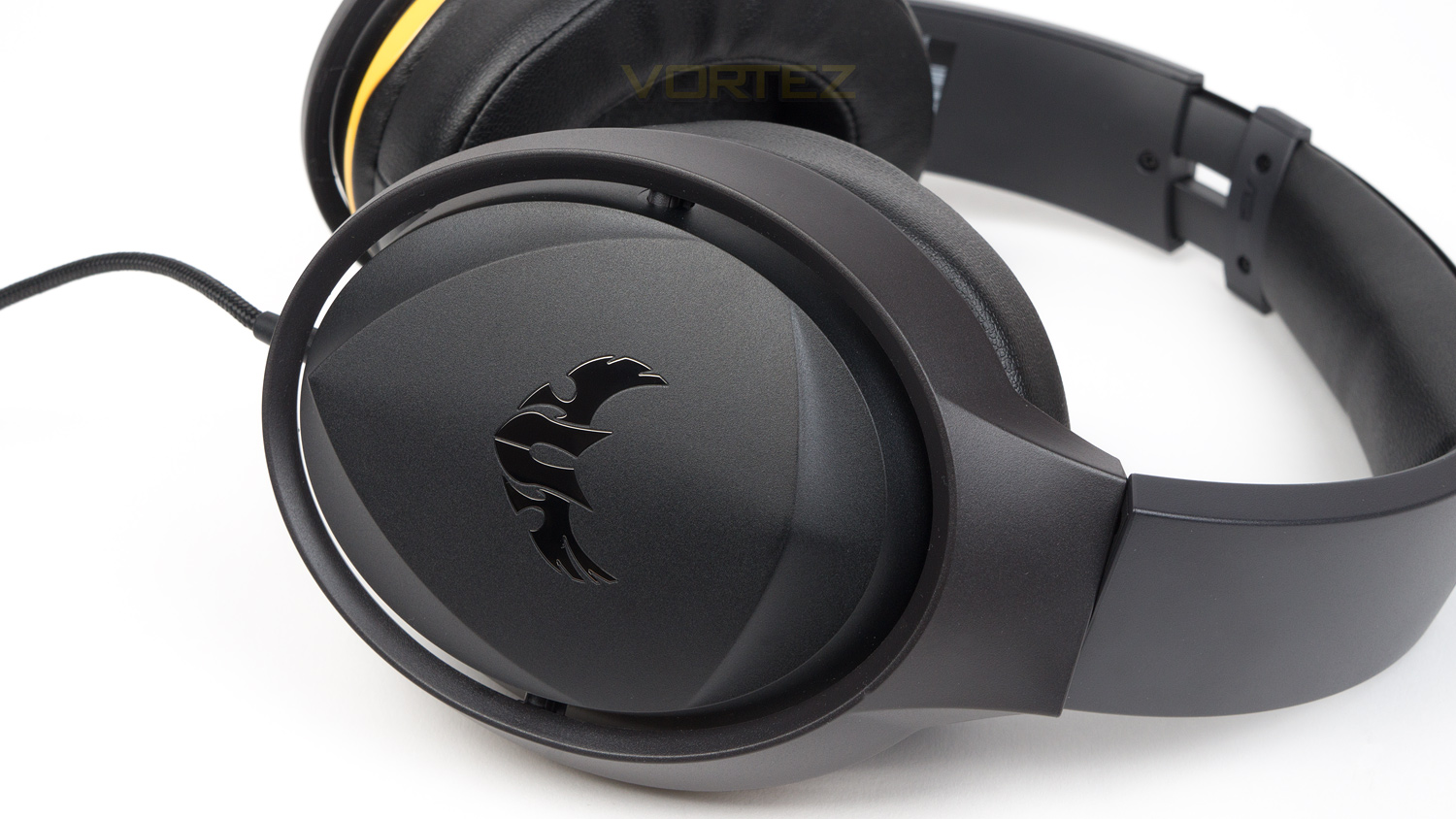
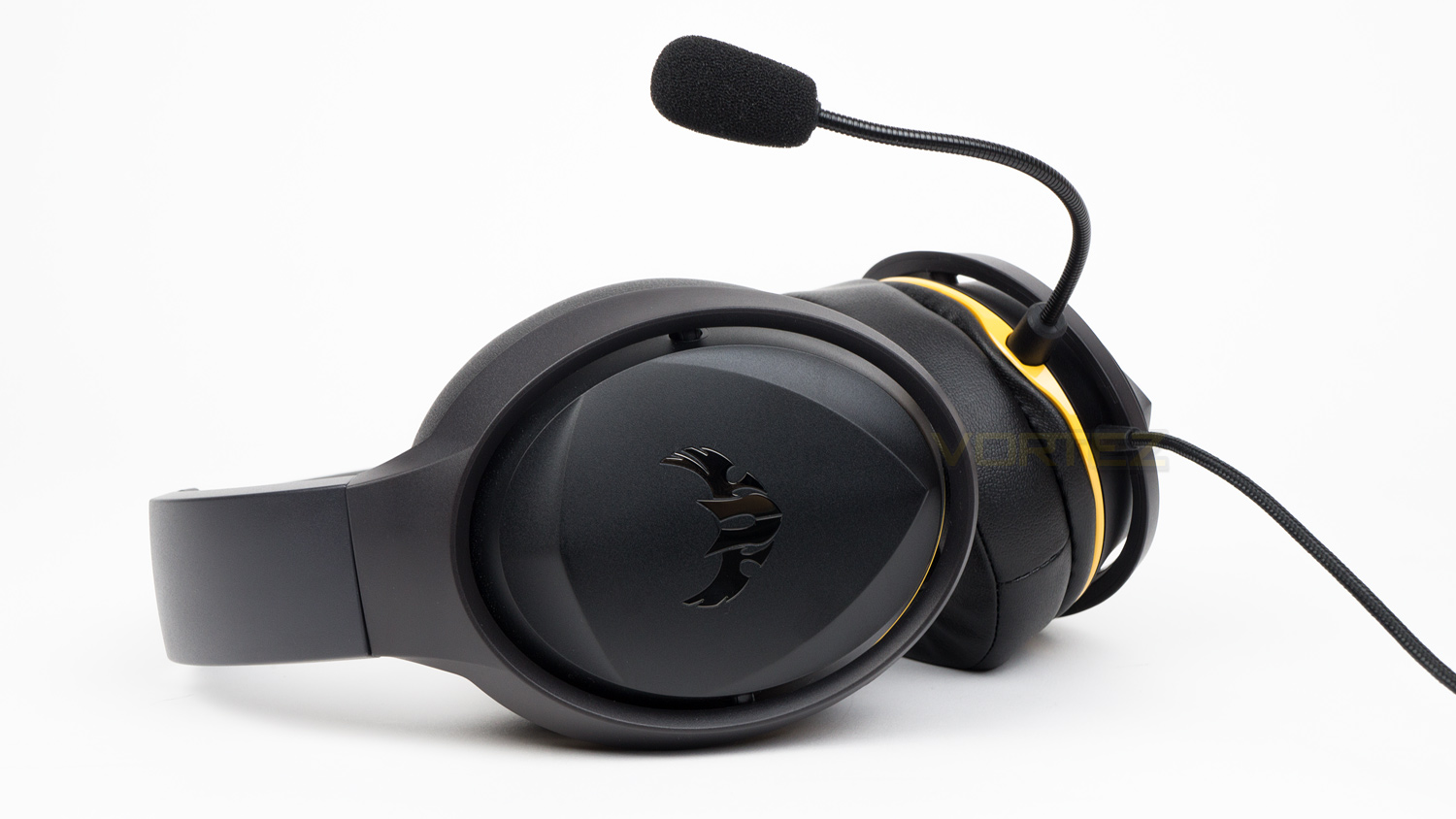
The left side features a large mirrored TUF logo in the centre, the earcup housing also has one other design element which takes the shape of a shield, this is unusual, but it fits in with the TUF theme nicely.
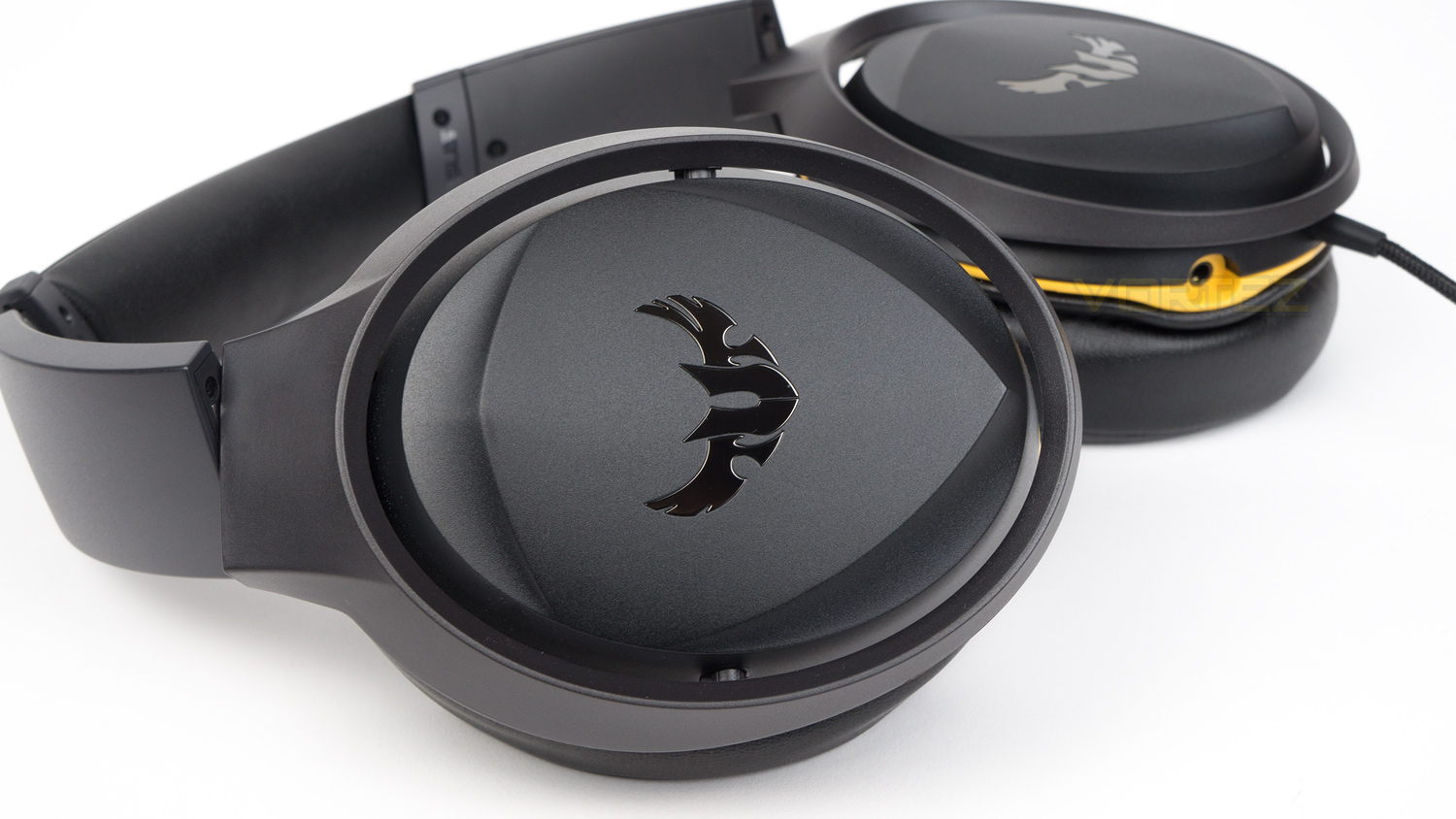
The right side is identical to the left.
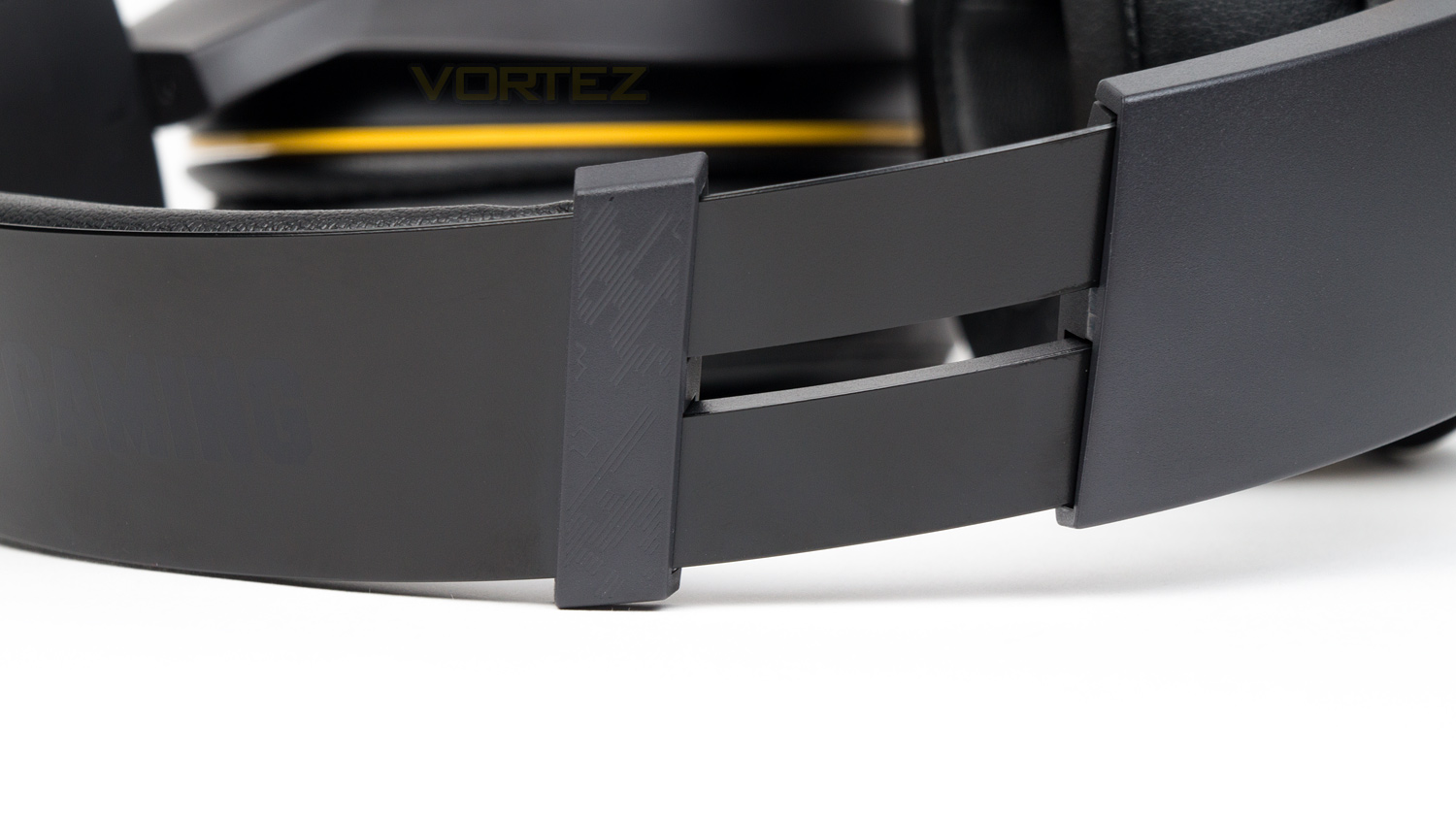
The headset adjustment plastic that has been reinforced with metal, there is also a subtle bit of the TUF digital camo aesthetic here as well.
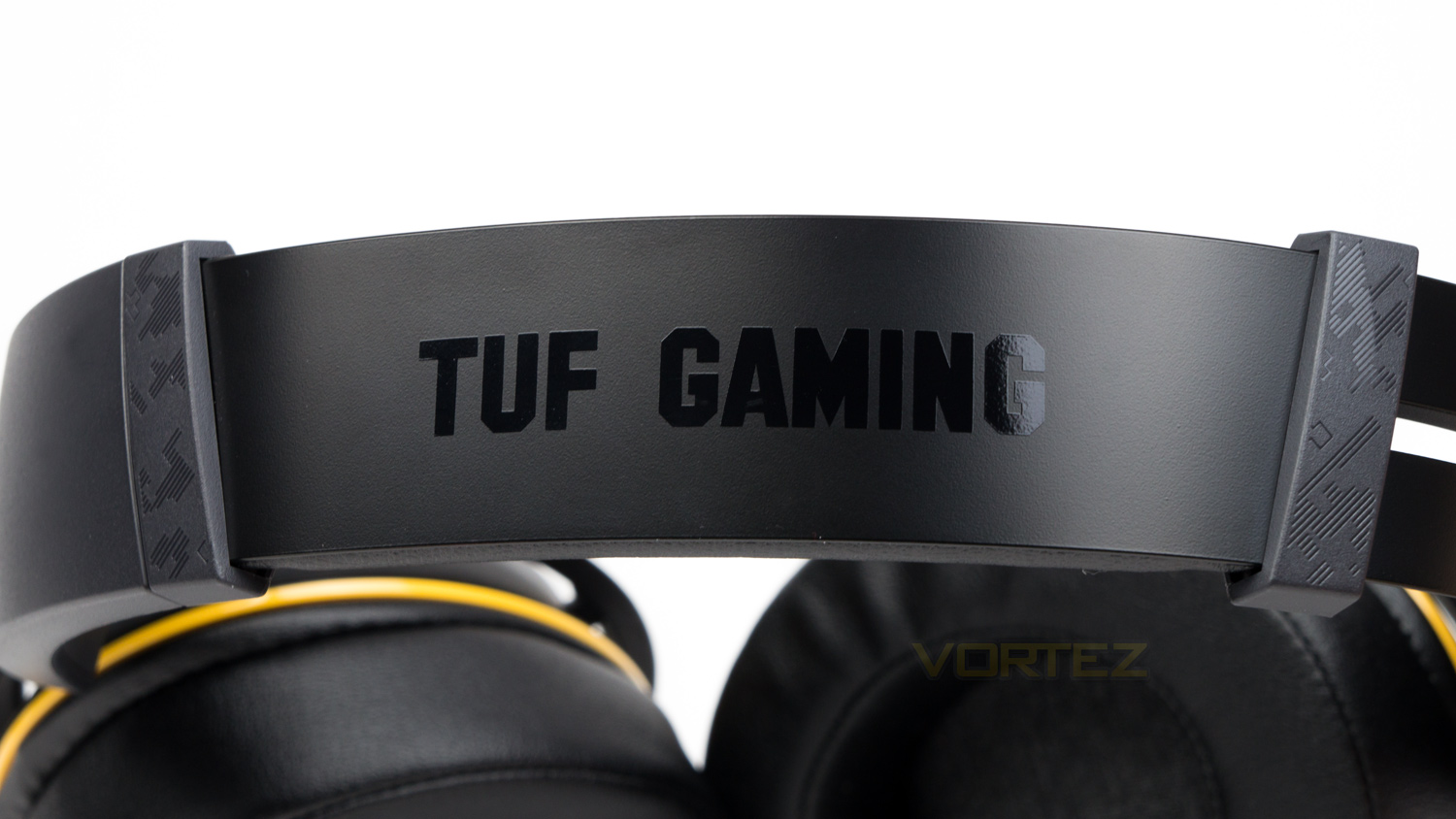
The top of the headband is also metal reinforced and features TUF GAMING in a darker finish.
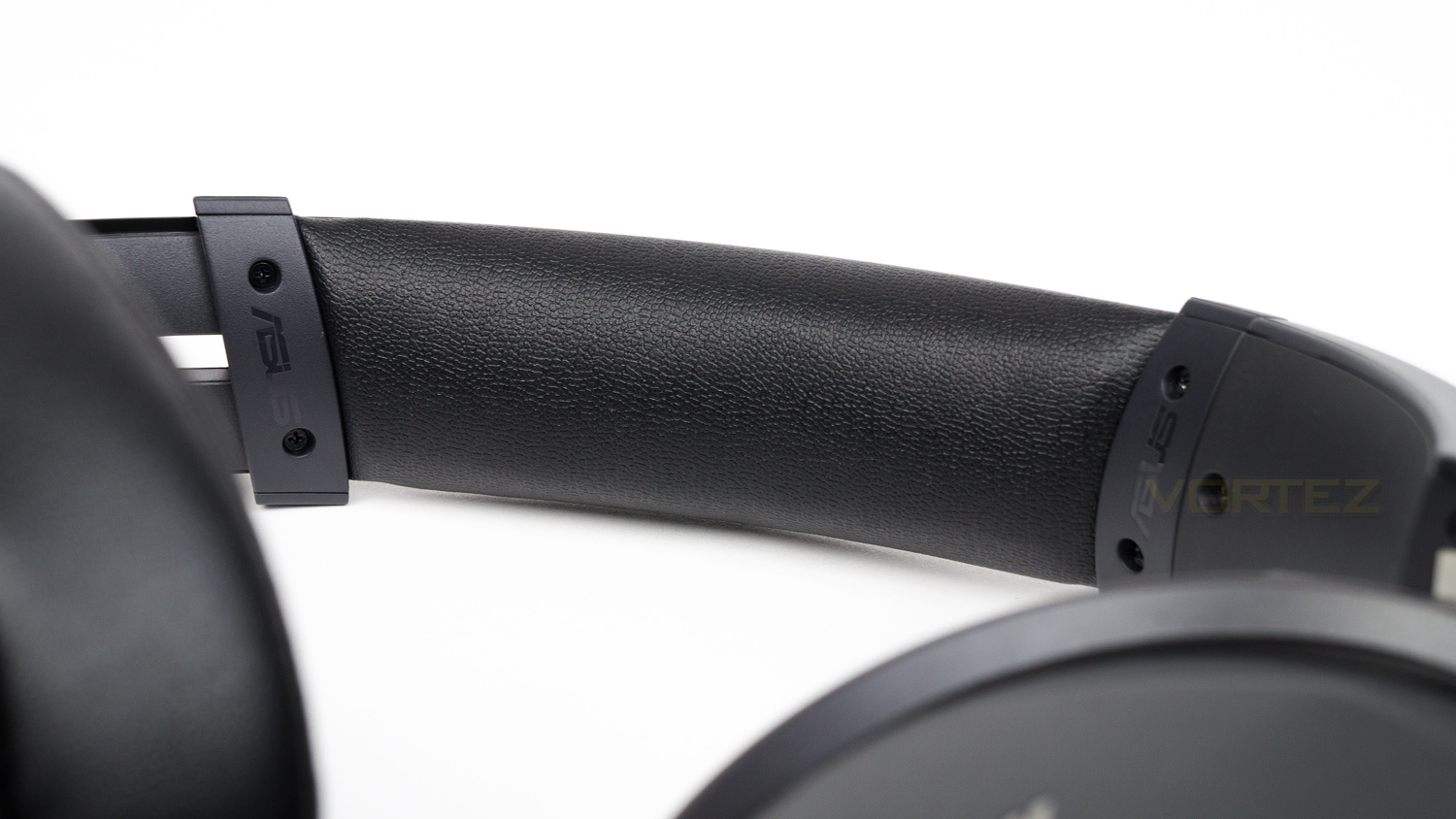
The padding on the inside of the headband is reasonably generous and quite soft.
Closer Look (Continued)
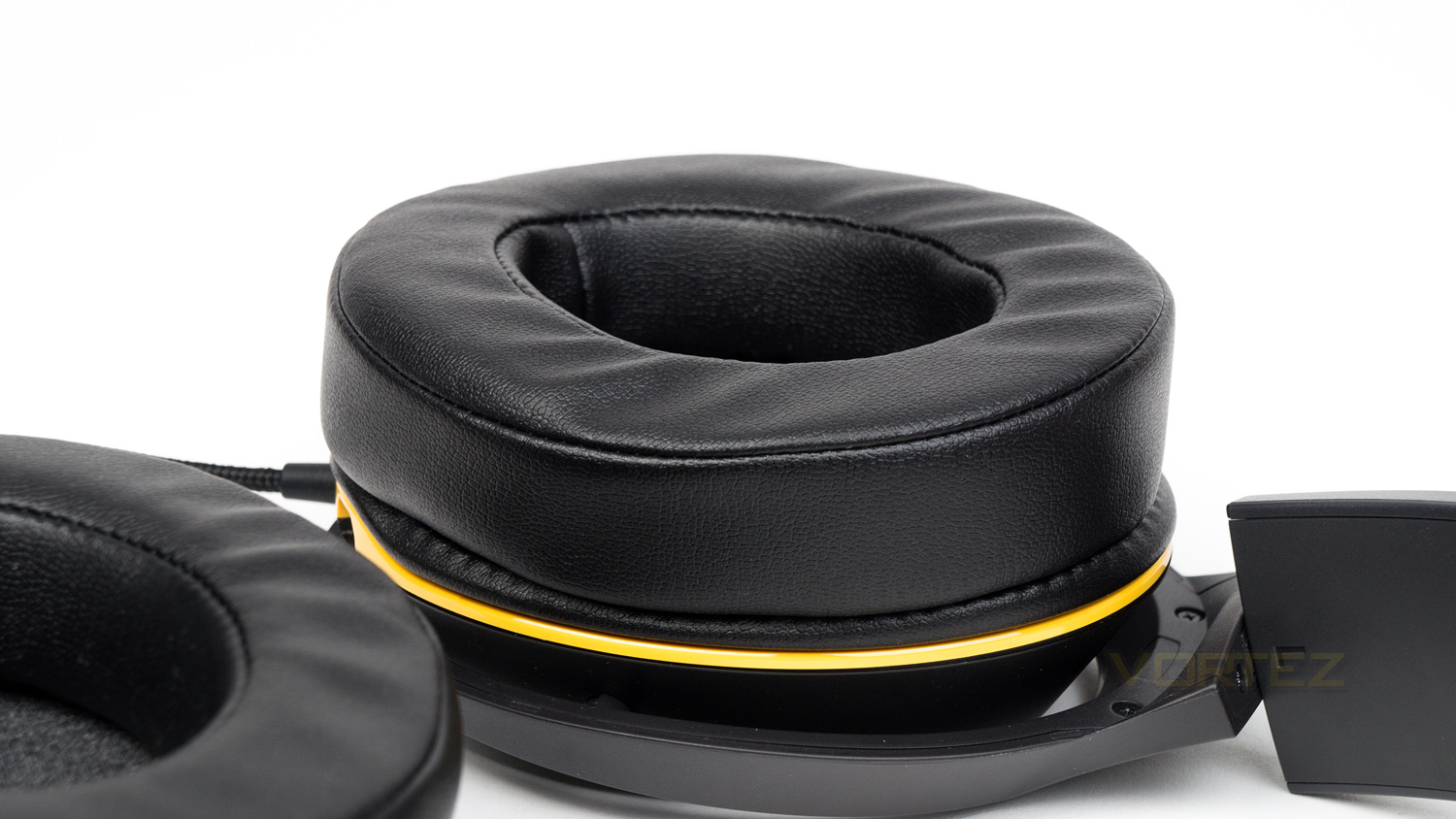
The earcup padding is very deep, very soft and nicely smooth too. There is also a little splash of yellow which helps lift the colour palette slightly and also ties in with the TUF brand.
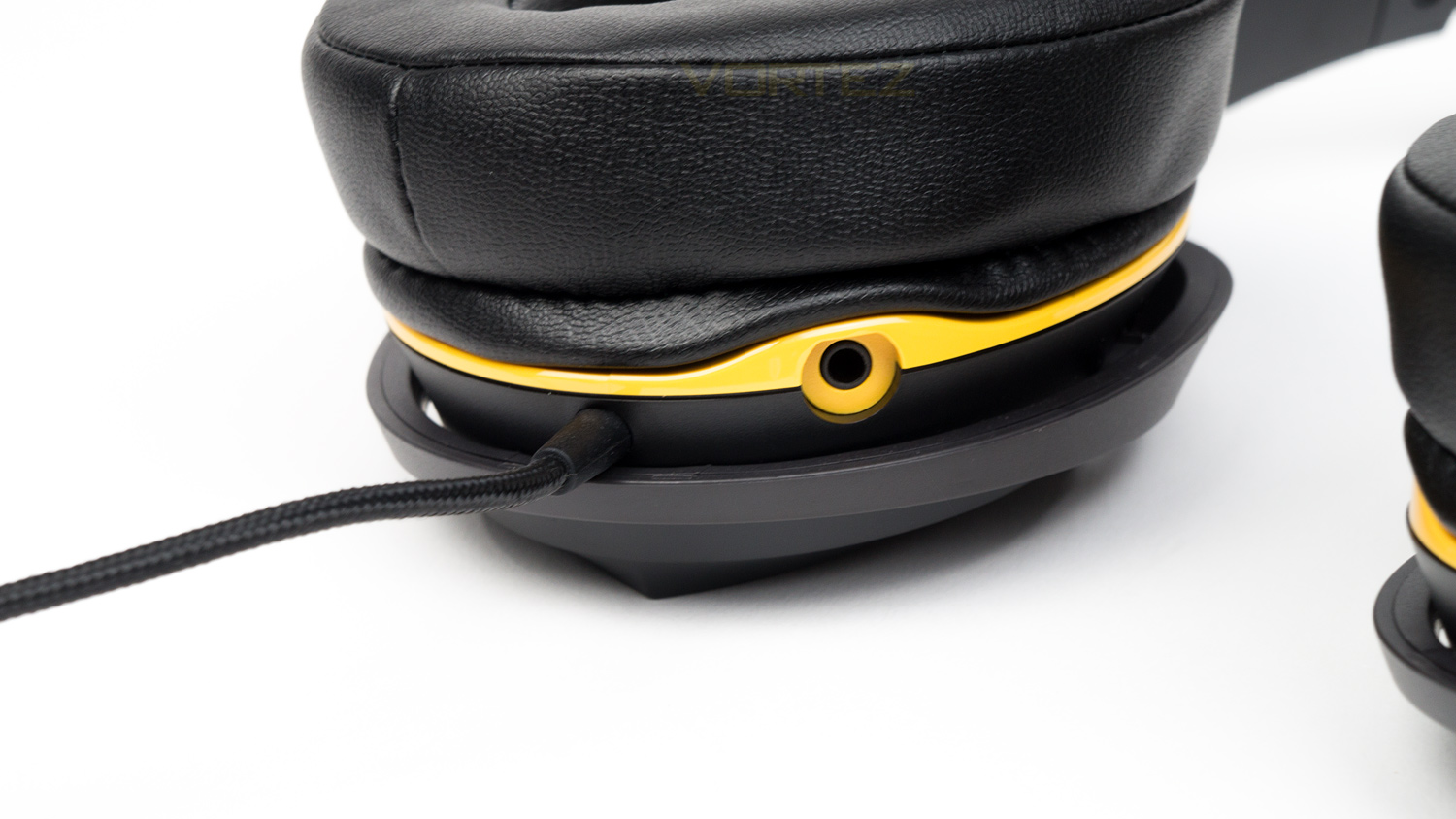
On the left earcup, you’ll note there is a single 3.5mm port for the microphone as well as the connection point for the non-removable cable.
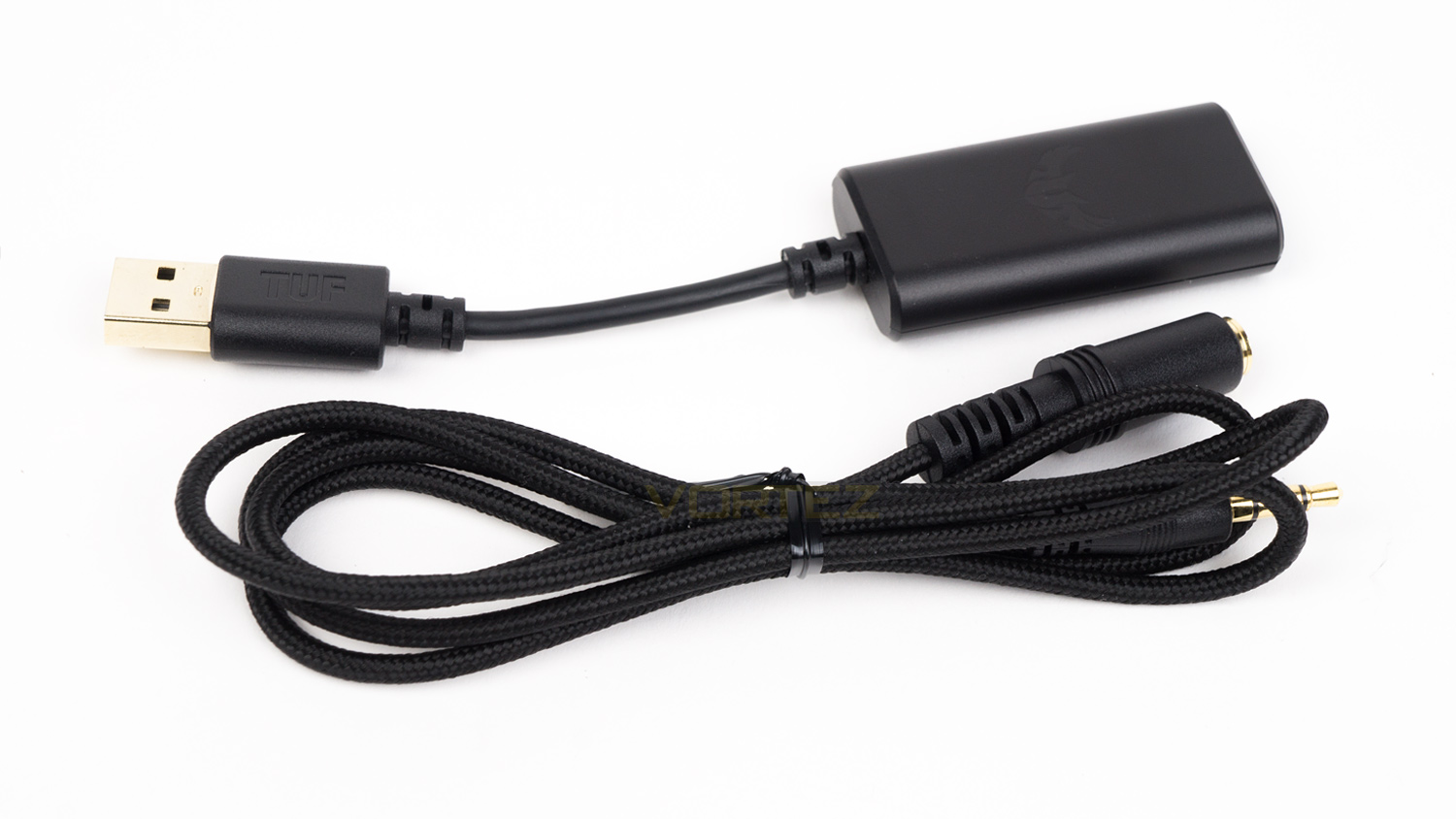
As for the cable, it feels well made as it’s quite thick and fabric coated. The dongle is pretty much all plastic but is solid feeling. There is a bit of an issue with the dongle though, and that is the cable, this is very short and is not that good if your PC is located under your desk, however, for use with a laptop it’s absolutely fine.
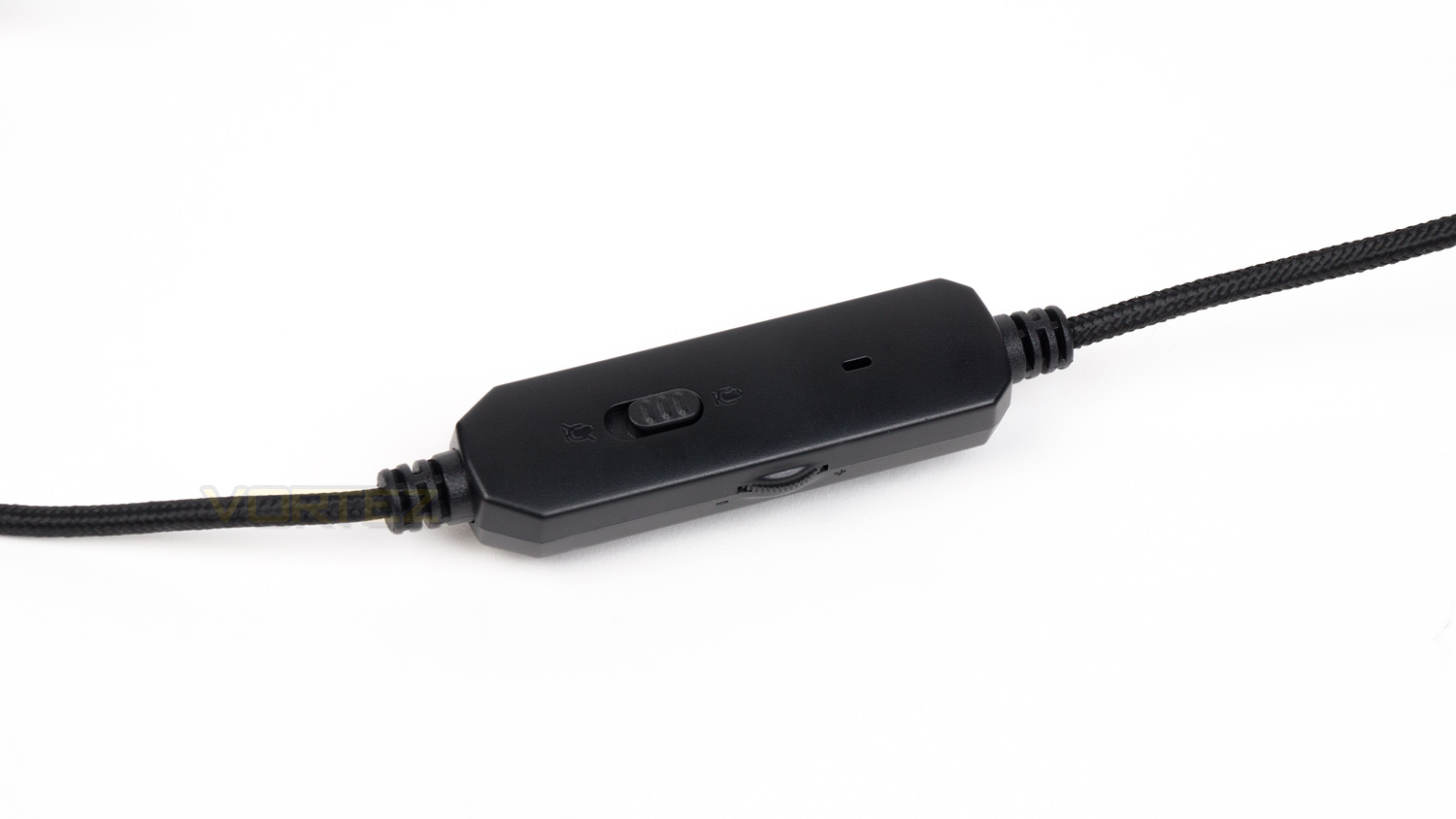
The in-line controller is nicely positioned on the cable and is fairly easy to use. The mic mute toggle works great, though the volume scroll wheel is a touch more fiddly. As for the construction, it’s again plastic, but it feels decent.
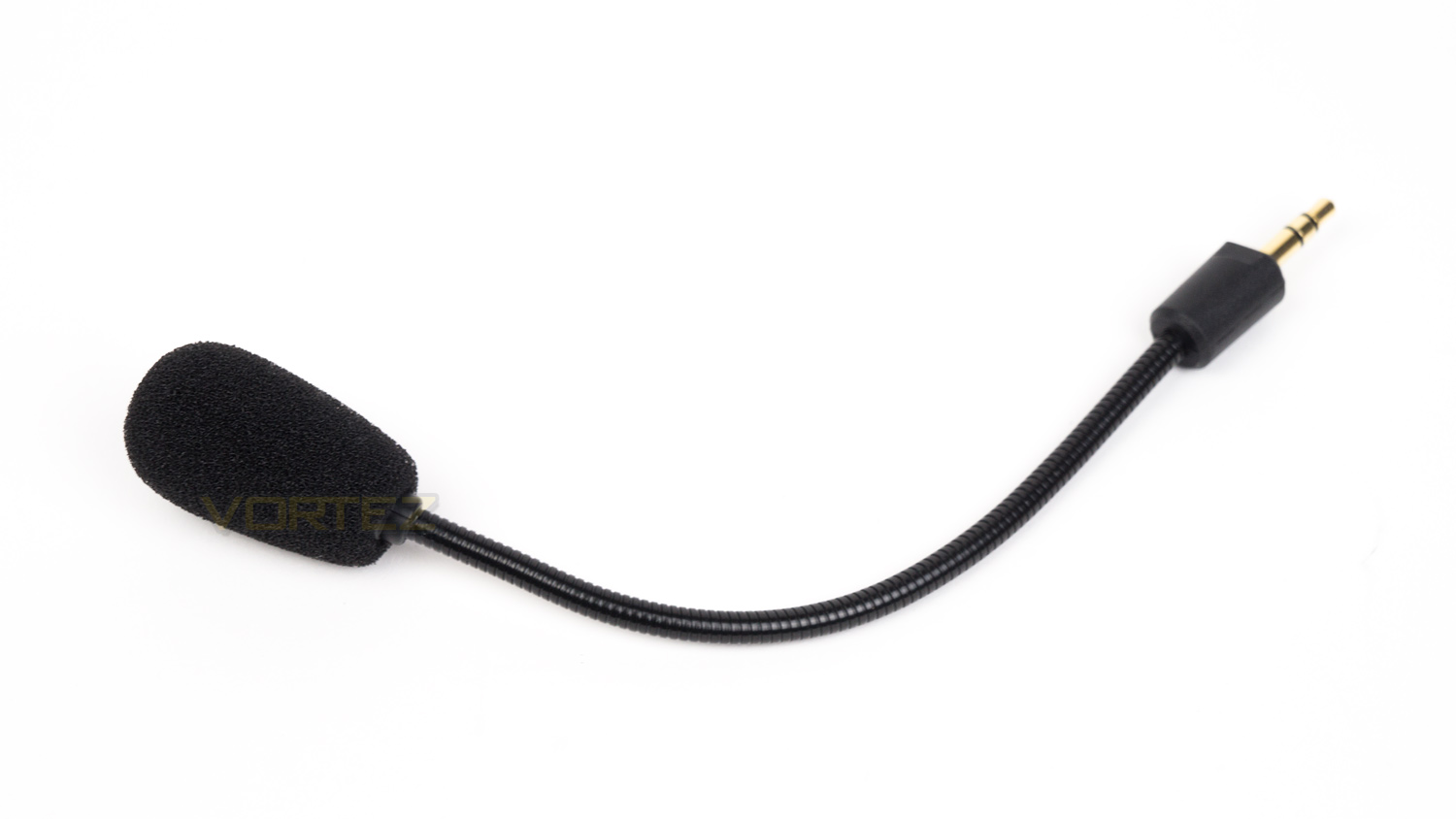
Finally to the microphone and that features a flexible metal outer coating which shouldn’t break in use.
Software
ASUS’s Armoury II software is one of the most comprehensive we’ve seen to date as it offers more levels of customisation than nearly all rival packages. With the software, you can tweak pretty much every aspect of the TUF H5 and really tailor it to how you would want it.
Performance Testing
In terms of design, build and comfort, the TUF H5 offers a mixed experience, on one hand, there are some good elements and on the other, not so much. The styling of the H5 does include some subtle elements – like the digital camo, that tie in with the TUF brand. Other design touches are a bit more obvious, yet done in a way that isn’t too over the top. As for the colour, it’s mainly neutral with the exception of a yellow accent that borders the earcups. As for the build, there are small sections of metal, but the overall construction is mainly plastic. The plastics used are decent quality though some of them mark quite easily, notably on the outer earcup housing. The cable feels good though as it’s reasonably thick and fabric coated, the downside is that the cable is built-in meaning if it does so happen to break, the headset becomes unusable.
On the plus side, for such a large headset they are quite light – thanks to the mostly plastic build, and this does go a long way to help them be comfortable as they don’t weigh you down too much. In terms of padding both the earcups and headband have ample supply that is both soft and plush. The earcups in-particular are impressive as they pliable and feel great when wearing them. The one drawback is the depth of the padding, ASUS could have easily reduced this, but as is, they are a touch too deep. Heat build is not too bad as the inside of the cup is quite spacious, though they won’t stay as cool as fabric earcups, they don’t get over hot.
In-use the TUF H5 again offer a neutral experience, the in-line controller for starters is well positioned though, the volume control is a touch small and fiddly to use. The mic mute works great, however. As for the dongle, it’s well made and easy to use, if you can reach it. As is, the cable on the dongle is very short, this does make it ideal for laptop use, but not so much if you use them on a PC.
In terms of sound, the TUF H5 are really good. For music, the bass was a little bit on the light side and was lacking a bit of depth and low-end punch though this can easily be fixed with a quick bass bump. However, the midbass was pretty decent and provided just enough oomph to keep things interesting. The treble though is really impressive, it’s clear, has plenty of detail with good levels of in-sound separation. The treble is also fairly neutral meaning that it’s not overly bright nor too dull sounding. If we were to pick a side, they TUF H5 would be bordering on the cooler side as they don’t have much spark or vigour. Vocals again are clear, and have a nice tonal quality, they are lacking a bit of potency though. Sibilance is kept to a minimum too which is great.
For gaming, the H5 also fair very well, as the bass isn’t too over powerful there isn’t much detracting from the treble and other key areas. Though this is good, a stronger bass would have been nice for titles that more heavily rely on this region to create an atmosphere. Again though this can be remedied with a bass boost. The treble is again strong for gaming as it possesses strong levels of detail and clarity, this means that little details like footsteps and enemy reloads can be picked upon quite easily. The spacial awareness on offer is pretty solid too which helps keep you aware of your immediate environment.
As for the microphones, there are two of them, one is built into the in-line controller, and the other is a detachable boom style. The in-line one has a frequency response of 50hz to 10,000Hz, and the booms is 100Hz to 10,000Hz. We tested the microphones with a volume 85% of and we also disabled all the software effects. These effects will alter the characteristics of the mics, so it would be worth testing these out to see which works best for you.
What we found was the in-line mic was quiet and sounded a touch muffled, there is no background noise present though which is a bonus. Vocals were decent as they were clear enough, though they could be too quiet for in-game voice chat. The boom mic was better quality, but again quiet. The tonality of the sound was a touch compressed, and a little nasally, there is also hints of an artificial tone due to the noise isolation. Bass pickup was a little light meaning your voice sounds thin and lacking body.
In-line microphone
Boom microphone
Overall neither of the mics are very strong with the settings we tested them at, though if you have time to play around with the settings, the quality could likely be improved.
Conclusion
At the start of the review, we asked one simple question, and that was…. Do the ASUS TUF Gaming H5 do enough to stand out from the crowd? The answer is, on some fronts, yes and other, no. One area where the TUF H5 does stand out is with the design as these are different to the usual super clean headsets we’ve been seeing lately. The aesthetic really does fit the TUF brand without going too over the top, though the styling choices are likely to divide opinion. The build is another area where they fair well as most of the headset is well made. One build area that they do fall down on is the finish as in places it does scuff and mark quite easily.
Comfort is another strong suit as they are very comfortable, though not as comfortable as the Cooler Master MH752 we recently reviewed, the TUF H5 fair better than most. The sound is another key area where these score well as the quality is good. Bass is a touch lacking, though this can easily be fixed in software, the treble is nicely clear, and detailed and the vocals are good too. For gaming, they perform really well too as the treble allows you to easily pinpoint your enemies and sounds that could give away their tactics.
Another good core attribute is the TUF H5’s cross-platform support, this extended support means that not only can these be used on PC, but also on console as well as a mobile. The final strong card that these play is on the software front as Armoury II is one of the most comprehensive suites we’ve ever used. It’s also really nicely designed and easy to use which makes it that much more enjoyable.
Where the H5 do start to crumble is with the microphones. The in-line one is very quiet and slightly muffled whereas the boom one is better, but still not that great. The final small drawback is with the dongle, this dongle connects via USB and has a very short cable, this is fine for use with a laptop, but if you’re using a PC that so happens to be slightly away from where you are sat, then it becomes a bit of an issue to use. Of course, you could just set it and leave it, but it would be nice if it was more usable on-the-fly.
Overall for £85 GBP and $169 in Australia, the TUF H5 is a solid all-around headset with some strong attributes and some slight drawbacks. If you can live with those minor issues, then the TUF H5 is a good headset for gaming as well as using more casually. Furthermore, if you’re a big fan of the TUF Alliance and own multiple TUF branded products, then this is a great way to show your allegiance and keep your system cohesive.
The ASUS TUF Gaming H5 is a fine addition to the TUF Alliance thanks to a solid gaming performance, TUF styling and great comfort.
Pros
+ Comfortable
+ Strong sound quality
+ Great software
+ Cross-platform support
+ In-line controller is a nice addition
Neutral
+- Mics aren’t the best quality
+- Styling is likely to divide opinion
Cons
– Dongle isn’t ideal for PC use due to short cable
+ Comfortable
+ Strong sound quality
+ Great software
+ Cross-platform support
+ In-line controller is a nice addition
Neutral
+- Mics aren’t the best quality
+- Styling is likely to divide opinion
Cons
– Dongle isn’t ideal for PC use due to short cable
Click here for an explanation of our awards at Vortez.net.
Stay connected with the Vortez Social Media pages:
Join in with the discussions on Discord