NVIDIA seek to cement their success at the high-end with a refresh of their RTX-20 series Turing lineup. Have they stolen the thunder from AMD Navi in the new RTX 2060 SUPER and RTX 2070 SUPER graphics cards?

Product on Review: RTX 2060 SUPER & RTX 2070 SUPER
Manufacturer: NVIDIA
Street Price:
RTX 2060 SUPER / USD $399 – AUD $690 – GBP £379
RTX 2070 SUPER / USD $499 – AUD $860 – GBP £475
It’s almost a year since we were introduced to NVIDIA’s next-gen RTX 20-series and today sees a new lineup join the family in what can be termed a refresh, or even facelift. Three new SKUs join the RTX 20-series – RTX 2060 SUPER, RTX 2070 SUPER and RTX 2080 SUPER. The latter is involved in a staggered launch.
To those within the industry the unveiling of amplified variants of NVIDIA’s Turing based GPUs will come as no surprise, AMD’s Radeon RX 5700 is just around the corner and the intention here is to cause disruption.
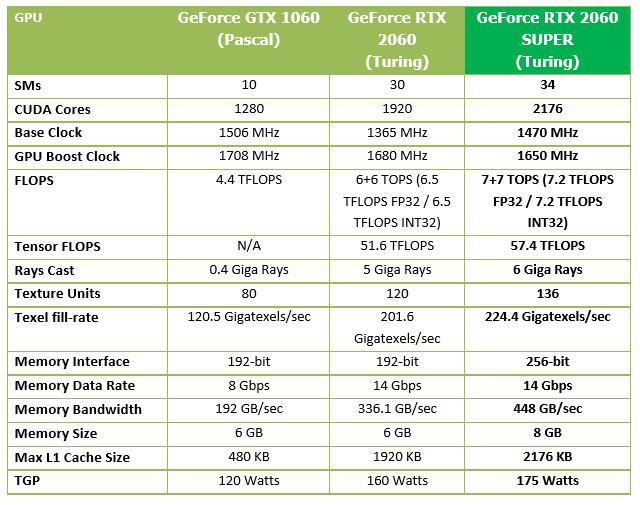
In the time since NVIDIA brought the RTX 20-series to market, they’ve been able to refine their 12nm Turing architecture further and SUPER is the result of their efforts. We’ve seen GPU refreshes involve simple GPU and memory clock speed modifications but SUPER relies on more tangible improvements. In essence the GPU found at the heart of each of our new cards remain the same. Faster memory does play a role but higher capacity memory is also present – a variety of attributes have been significantly enhanced, which extend beyond CUDA cores right through to Tensor FLOPS. The below table highlights the major improvements between RTX 2060, RTX 2060 SUPER and even the Pascal-based GTX 1060.
A combination of improvements to already impressive architecture and pricing adjustments will change the GPU landscape in the foreseeable future. While it remains to be seen how AMD Navi will compete with NVIDIA’s RTX 20-series, the new SUPER variants will cause RTX counterparts to be gradually phased out to EOL – all except for the 2060 which will remain as the most affordable graphics card in the lineup.
NVIDIA on SUPER
Now the new GeForce RTX SUPER™ Series has even more cores and higher clocks, bringing you performance that’s up to 25% faster than the original RTX 20 Series. It’s time to gear up and get super powers.
SUPER Improvements
Info taken from Tim Harmer’s news story – NVIDIA Refreshes The GeForce RTX 20-series With A SUPER New Lineup
GEFORCE RTX 2070 SUPER
By stepping down NVIDIA’s lineup just a little we reach the GeForce RTX 2070 SUPER. Outwardly this card is another straightforward in-line replacement for its vanilla variant, but there’s quite a lot going on when you look more closely (some of which NVIDIA are strangely reticent to discuss).The RTX 2070 SUPER is promoted to utilise the TU104 rather than TU106 GPU at the heart of its vanilla series counterpart; quite understandable given the RTX 2070 fully utilised that lesser GPU.
A TU104 is equipped with up to six Graphics Processing Clusters, each with eight Shader Modules. An SM has 64 CUDA Cores alongside other components such as Tensor Cores and RT Cores, so in theory a TU104 could have up to a total of 3072 CUDA Cores enabled. The RTX 2070 SUPER has 2560 enabled (up from 2304 on the RTX 2070) representing a total of 40 SMs of the 64 available. Normally one would assume therefore that the RTX 2070 SUPER has five of the TU104’s six GPCs unlocked.
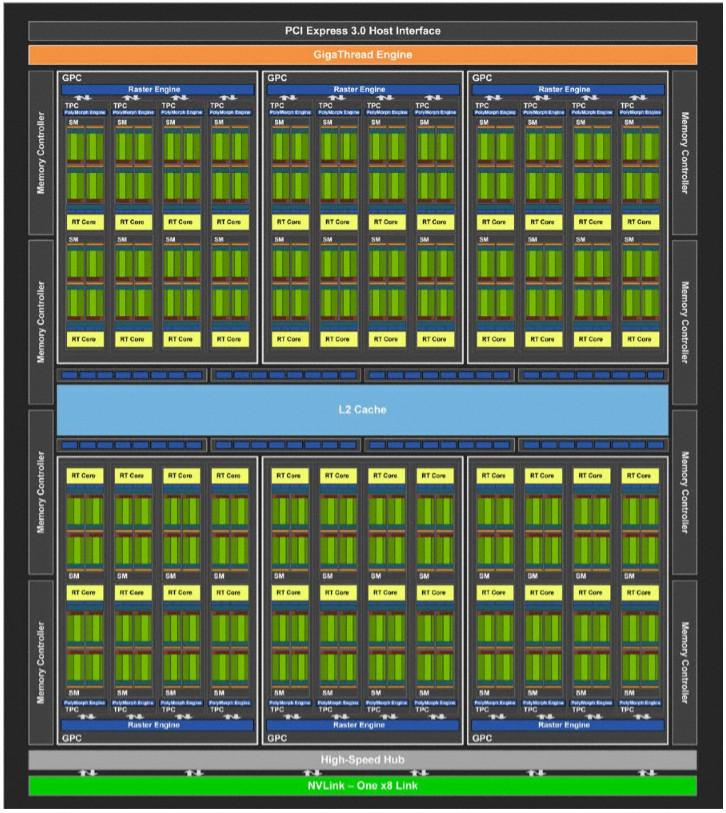
Strangely however NVIDIA’s technical specifications list the RTX 2070 SUPER as incorporating ‘5 or 6’ GPCs, implying some variance between the configuration of particular RTX 2070 SUPER GPUs. We asked NVIDIA if this implied there would be multiple variants of the RTX 2070 SUPER (perhaps as different SKUs) and this was their response:
“The are no [SKU] variants, it is just a function of how we select the chips. We have done extensive game testing and there is no difference between 5 or 6 GPCs in the results.”
Given the minor kerfuffle caused by the binning process of the RTX 20-series, it will be fascinating to see how this particular incongruity plays out.
Other improvements from the RTX 2070 include higher Base and Boost clocks and a greater number of texture units. Boost Clocks in particular will differ between the Founder’s Edition and partner models due to differences in the power delivery infrastructure and cooler. Overall, NVIDIA expect the RTX 2070 SUPER to be up to 21% faster than the RTX 2070, with an average of 16% better FPS across a wide sample of titles.
GEFORCE RTX 2060 SUPER
Sitting at a new price point for the RTX 20-series is the GeForce RTX 2060 SUPER, a $399 MSRP graphics card that bridges the price and performance gap between the RTX 2060 and 2070. Unlike the RTX 2080 & 2070 SUPER cards however it doesn’t displace or make obsolete any particular model; instead it seems tailored to compete with the AMD Radeon RX 5700.The TU106 once again returns but with more SMs unlocked compared to the RTX 2060. Just as significant is an increase to 8GB of GDDR6 memory which now operates over a 256-bit wide bus, helping the cards capabilities at higher resolutions and image quality settings. Base operating frequencies are higher – now up to 1470MHz – but in an interesting twist Boost Frequencies are a little lower at 1650MHz.
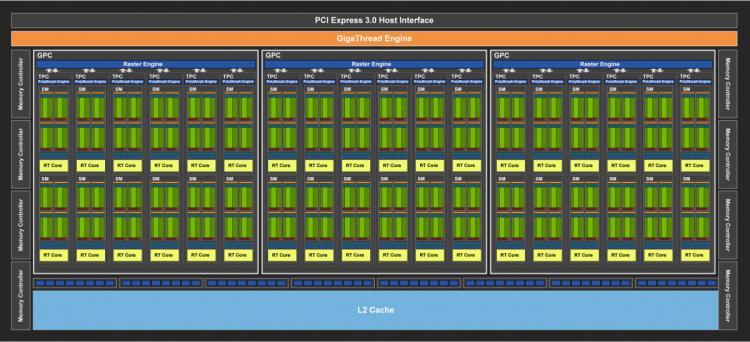
In combination these changes should see the card be far more accomplished at 1440p than its predecessor, and hence be a much more attractive upgrade path for GTX 970/1060 owners than the RTX 2060 turned out to be. If the Boost frequency are in fact relatively modest then it could give NVIDIA’s AIC partners an opportunity to really flex their muscles and push the card to rival the RTX 2070.
Closer Look
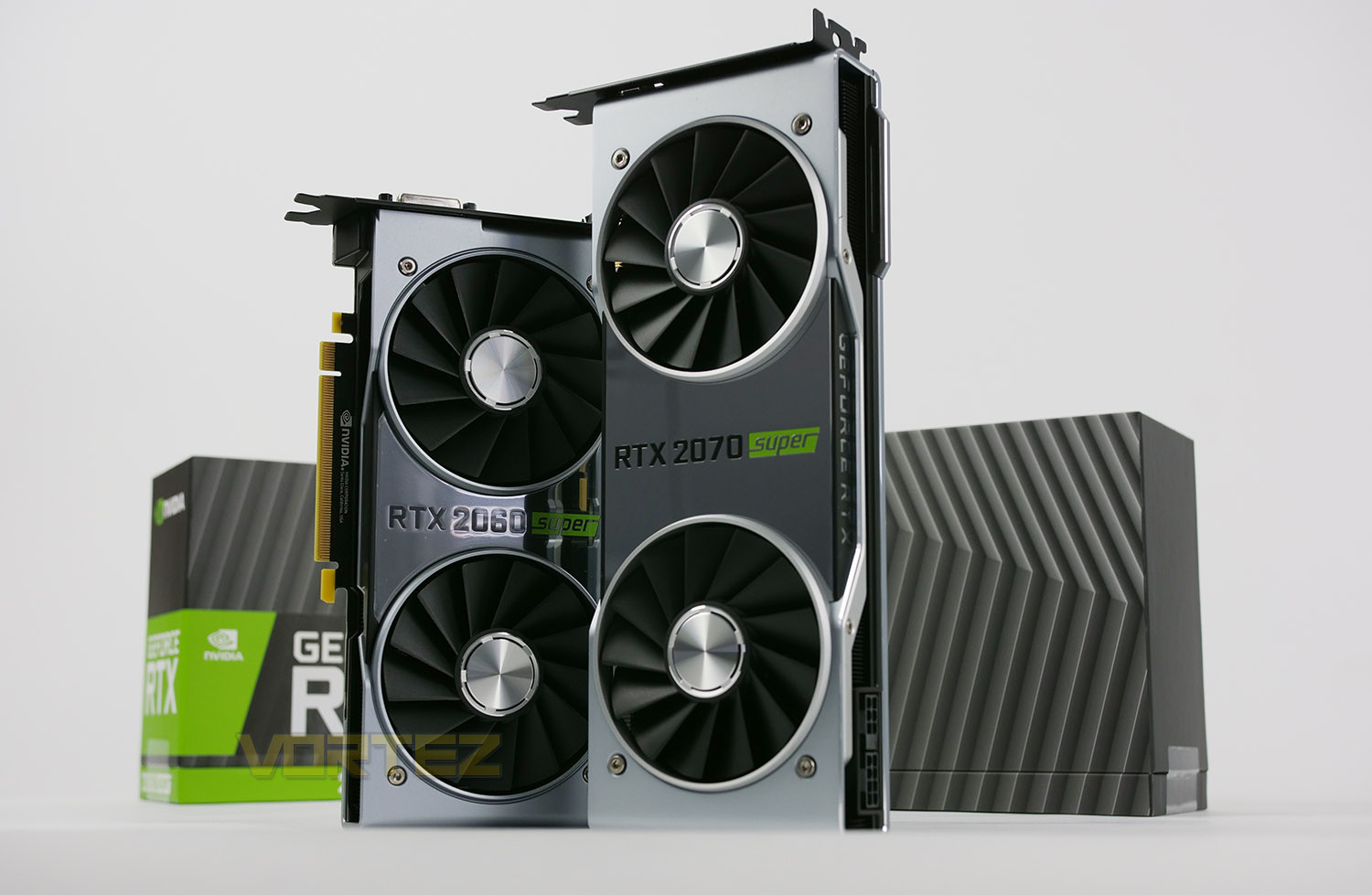
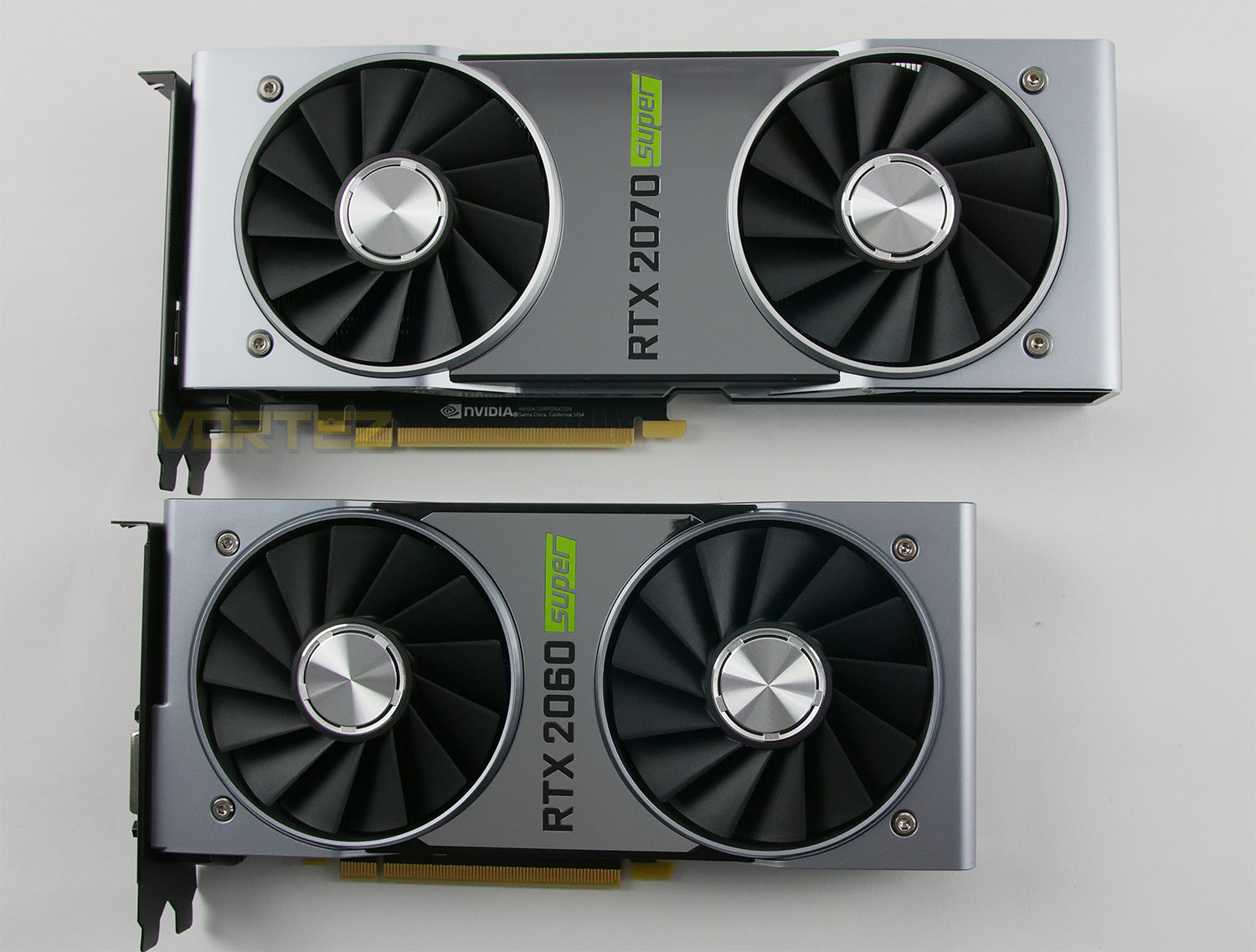
The physical dimensions and design for the Founders Edition version of RTX 2060 SUPER and RTX 2070 SUPER do not differ from their original parts, however there is one notable distinction – shiny, reflective surface around the twin-fan design. NVIDIA’s designs through the generations have progressively improved both in the physical and thermal sense. This design looks exquisite and will look very stylish as part of any system configuration.
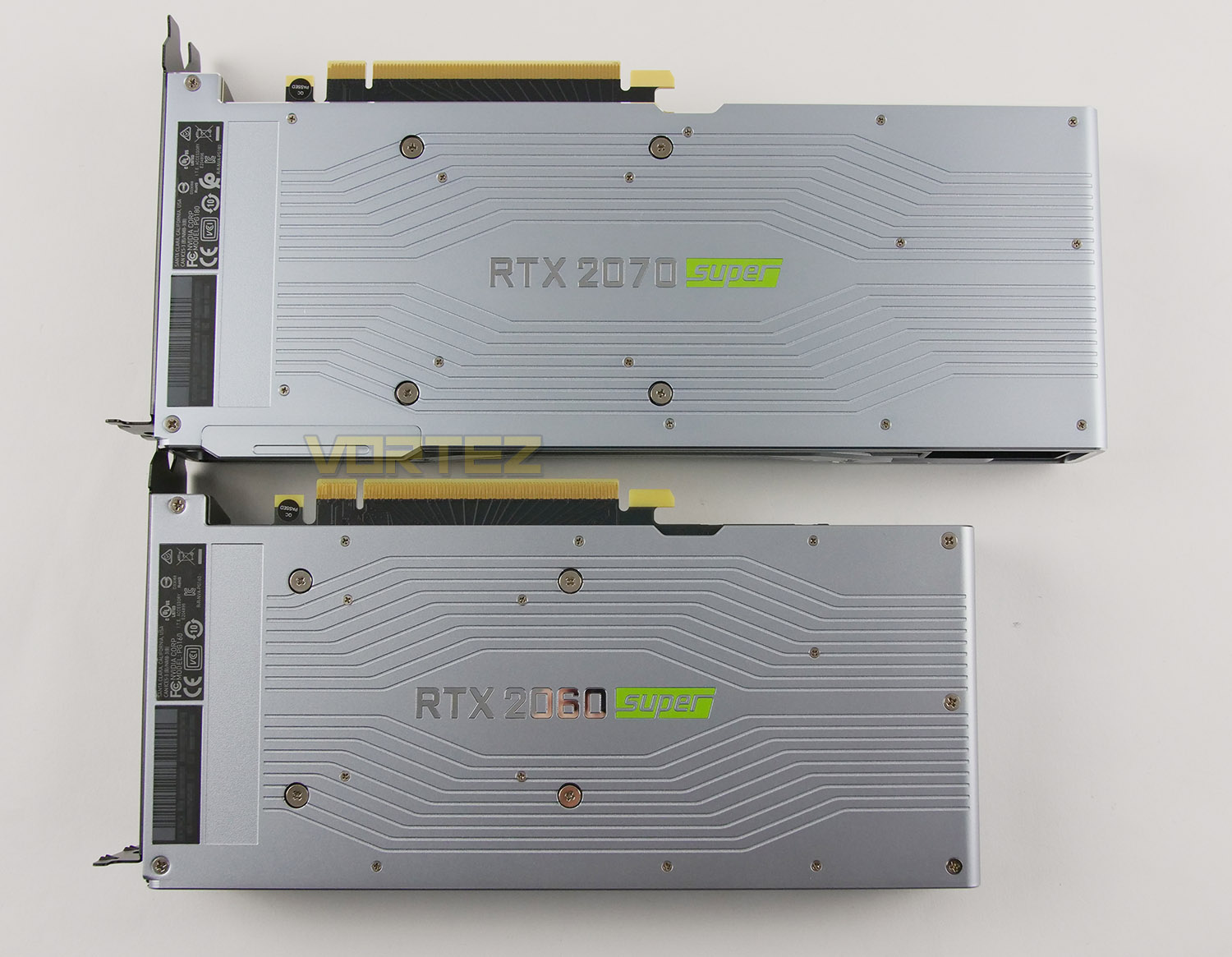
We’re pleased to see that NVIDIA has given both cards a protective backplate, not only does this add to the aesthetics but, more importantly it protects the PCB from flexing or getting scratched.
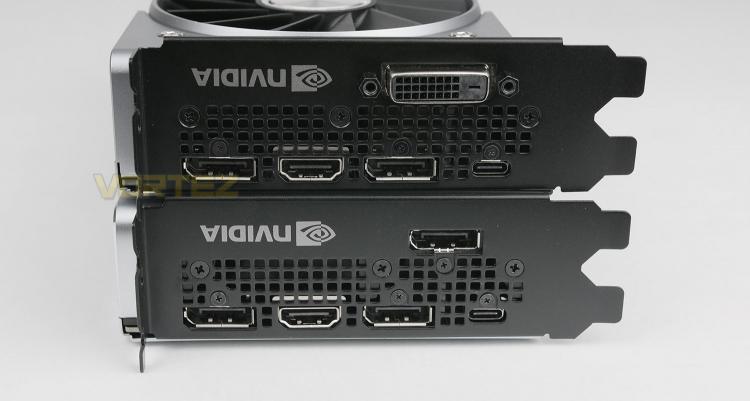
On the Rear IO panel of each SUPER card they are almost identical in regards to which ports are offered up except the 2060 SUPER provides legacy support for DVI, while 2070 SUPER adds in a DP 1.4 port. Both cards have HDMI 2.0 and DP 1.4 ports and a USB-C for newer generation VR headsets.
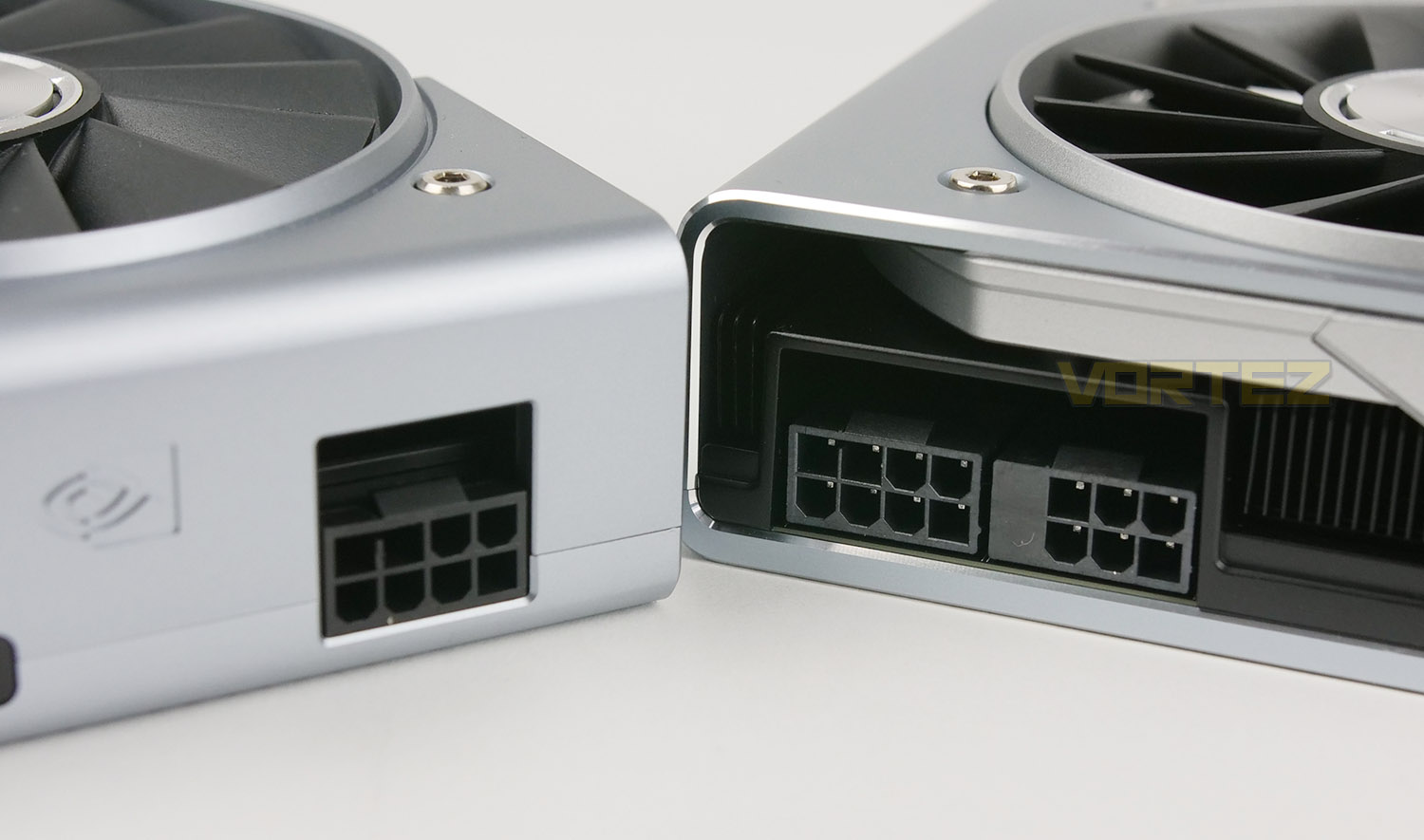
For power delivery the 2060 SUPER relies on a single 8-pin connection, while 2070 SUPER requires 8+6-pin from the PSU. NVIDIA are recommending 550W for the 2060 SUPER and 650W for the 2070 SUPER.
Test Setup & Methodology
HOW WE TEST GRAPHICS CARDS
Testing a graphics card is an extremely lengthy process. We sometimes see reviews where a graphics card has been tested using out of date equipment, out of date games and even out of date drivers. While the latter can be excused due to the sheer amount of driver updates making a thorough review impossible we will however notify the reader when we have used a different driver to the normal for example a pre-release driver. For the most part however we will always use the same hardware and latest drivers so this does certainly need to be taken into consideration when viewing our testing results. Each game and benchmark is tested times with the lowest and highest scores omitted out of the 5 results and the average then taken from the three remaining to give us our final result for each resolution and setting used.HARDWARE
Taking Intel’s High-End Desktop platform, our hardware utilises the Intel X99 chipset. Combined with this we use the Intel Core i7-5960X Extreme Edition processor clocked to a realistic and achievable 4GHz to ensure we have no CPU bottlenecks. With 16GB (4x4GB) of DDR4 at 2666MHz and a 750GB SSD there should be minimal paging so the benchmarks we run today will hopefully give a true reflection of the graphics card’s performance.Graphics Cards on test:
NVIDIA RTX 2080 Ti
NVIDIA RTX 2080
NVIDIA RTX 2070 SUPER
NVIDIA RTX 2070
NVIDIA RTX 2060 SUPER
NVIDIA RTX 2060
NVIDIA GTX 1080 Ti
NVIDIA GTX 1080
NVIDIA GTX 1070
NVIDIA GTX 1060
AMD Radeon Vega 56
Special thanks go to Avermedia, Intel, Corsair, MSI and AOC for providing the extreme spec components used for our test bench:
Motherboard: MSI X99A Workstation
CPU: Intel Core i7-5960X Extreme Edition @ 4GHz
RAM – 16GB (4x4GB) Corsair LPX Vengeance (Red) DDR3 @ 2666MHz 16-17-17-35 C1
Power Supply – CORSAIR HX1050
Hard Drive – Samsung 840 EVO 750GB
Cooler – CORSAIR Hydro Series™ H150i Pro 360mm Extreme Performance Liquid CPU Cooler
Monitor – AOC 28″ 4K U2879VF
Capture Card – Avermedia Live Gamer Extreme 2
CPU: Intel Core i7-5960X Extreme Edition @ 4GHz
RAM – 16GB (4x4GB) Corsair LPX Vengeance (Red) DDR3 @ 2666MHz 16-17-17-35 C1
Power Supply – CORSAIR HX1050
Hard Drive – Samsung 840 EVO 750GB
Cooler – CORSAIR Hydro Series™ H150i Pro 360mm Extreme Performance Liquid CPU Cooler
Monitor – AOC 28″ 4K U2879VF
Capture Card – Avermedia Live Gamer Extreme 2
BENCHMARKS
If you are a regular reader of our reviews you will know we like to test the latest hardware with the latest games and benchmarks on the market. Here are the games we’ve chosen:Fortnite
Middle Earth: Shadow of War
Apex Legends
Shadow of the Tomb Raider
F1 2018
Middle Earth: Shadow of War
Apex Legends
Shadow of the Tomb Raider
F1 2018
To capture framerates we use a combination of in-game benchmark tools and FRAPS.
We also take into consideration the benchmarkers out there so have included three of the more popular synthetic benchmarks available:
Let’s see how today’s graphics card performed…
Power, Temperatures, Acoustics
To test for power consumption, we take a measurement from the plug socket. It is important to note that the figures below represent total system power use and not just the GPU. The CPU was always in a fixed state (4GHz overclock) so did not affect the additional power load when the GPU was placed under 100% load using Heaven 4.0 which was ran for 20 minutes at which point a load reading was taken. Idle readings were taken 5 minutes after system boot to ensure any background services and applications had loaded.TEMPERATURE
To test temperatures we measured idle temperatures after booting windows, letting all applications finish loading and ran a few benchmarks. Once the benchmarks were complete we left the card to reach a cooling plateau where we then took the idle temperatures. For the load tests we set Heaven 4.0 running continuously for ~30 minutes recorded the peak/maximum GPU temperature.ACOUSTICS
Operating noise from both cards is much improved from previous generations of NVIDIA graphics cards. The now familiar dual-fan design emits some noise but this isn’t deemed as being noisy.DX12: 3DMark Time Spy
Download your copy nowWith its pure DirectX 12 engine, which supports new API features like asynchronous compute, explicit multi-adapter, and multi-threading, 3DMark Time Spy is the ideal benchmark for testing the DirectX 12 performance of the latest graphics cards.
DX11: 3DMark FireStrike
Download your copy nowFire Strike is the new showcase DirectX 11 benchmark designed for high-performance gaming PCs. It is UL’s most ambitious and technical benchmark ever, featuring real-time graphics rendered with detail and complexity far beyond what is found in other benchmarks and games today.
DX11: Unigine Heaven 4.0
Heaven Benchmark with its current version 4.0 is a GPU-intensive benchmark that hammers graphics cards to the limits. This powerful tool can be effectively used to determine the stability of a GPU under extremely stressful conditions, as well as check the cooling system’s potential under maximum heat output. It provides completely unbiased results and generates true in-game rendering workloads across all platforms.
DX11: Unigine SuperPosition
Superposition is a new-generation benchmark tailored for testing reliability and performance of the latest GPUs. Top-notch visuals, support for VR-devices and an interactive mode with mini-games — the list of features built into Superposition could go on and on.
DX11: Fortnite
Fortnite Battle Royale is the FREE 100-player PvP mode in Fortnite. One giant map. A battle bus. Fortnite building skills and destructible environments combined with intense PvP combat. The last one standing wins.
DX11: Middle Earth: Shadow of War
Middle-earth: Shadow of War is an action role-playing video game developed by Monolith Productions and published by Warner Bros. Interactive Entertainment. It is the sequel to 2014’s Middle-earth: Shadow of Mordor.
DX 11: Kingdom Come: Deliverance
Kingdom Come: Deliverance is a story-driven open-world RPG that immerses you in an epic adventure in the Holy Roman Empire. Avenge your parents’ death as you battle invading forces, go on game-changing quests, and make influential choices.


DX12: Shadow of the Tomb Raider
Shadow of the Tomb Raider is an action-adventure video game developed by Eidos Montréal in conjunction with Crystal Dynamics and published by Square Enix. It continues the narrative from the 2013 game Tomb Raider and its sequel Rise of the Tomb Raider, and is the twelfth mainline entry in the Tomb Raider series.
DX11: F1 2018
F1 2018 is a racing video game and the tenth instalment in the Formula One video game franchise developed and published by Codemasters. The game is based on the 2018 Formula One World Championship and includes all twenty-one circuits from the calendar and all twenty drivers and ten teams competing in the season.
Overall Performance
Here we take a look at the overall performance of the graphics card. This figure is determined by finding the average FPS across all of the settings used in a particular benchmark(game) to give us an overall value.
Value For Money
We make a simple calculation for this set of results. For each game we add all of the resulting FPS totals together and then divide by the four sets to give us an overall performance figure. While the figures alone do not give you an accurate picture of how the card will perform in any given scenario, they do tell you, when averaged, which GPU is the more capable across all of the benchmarks and settings tested.
Please note: we’ve used GBP for currency but since this is relative – regardless of which currency you use, this will give you a good indication of value for money.
Conclusion
It’s highly likely that the introduction of this new refresh from NVIDIA is a strategic plan to upstage AMD and the upcoming Radeon RX 5700 release. This is made obvious by the fact that the RTX 2080 SUPER, (which will sit at the upper-end of the stack) has been given a staggered launch.
NVIDIA has a clear advantage in the GPU race. It’s almost been a year since we were introduced to their next-gen RTX 20 series and in this time, they’ve been able to refine an already powerful lineup which boasts real-time ray tracing capabilities and significant horsepower under 12nm Turing architecture.
It remains to be seen whether NVIDIA has ruined AMD’s plans but what we can say is that the new SUPER lineup brings pleasing performance benefits for a similar pricepoint to that of their RTX counterparts. One of the major talking points about the RTX 20-series last year was the disparaging price bump from the previous-gen. Rather than a price-drop, we are instead faced with a shift in performance across the board, which still improves the price-to-performance ratio.
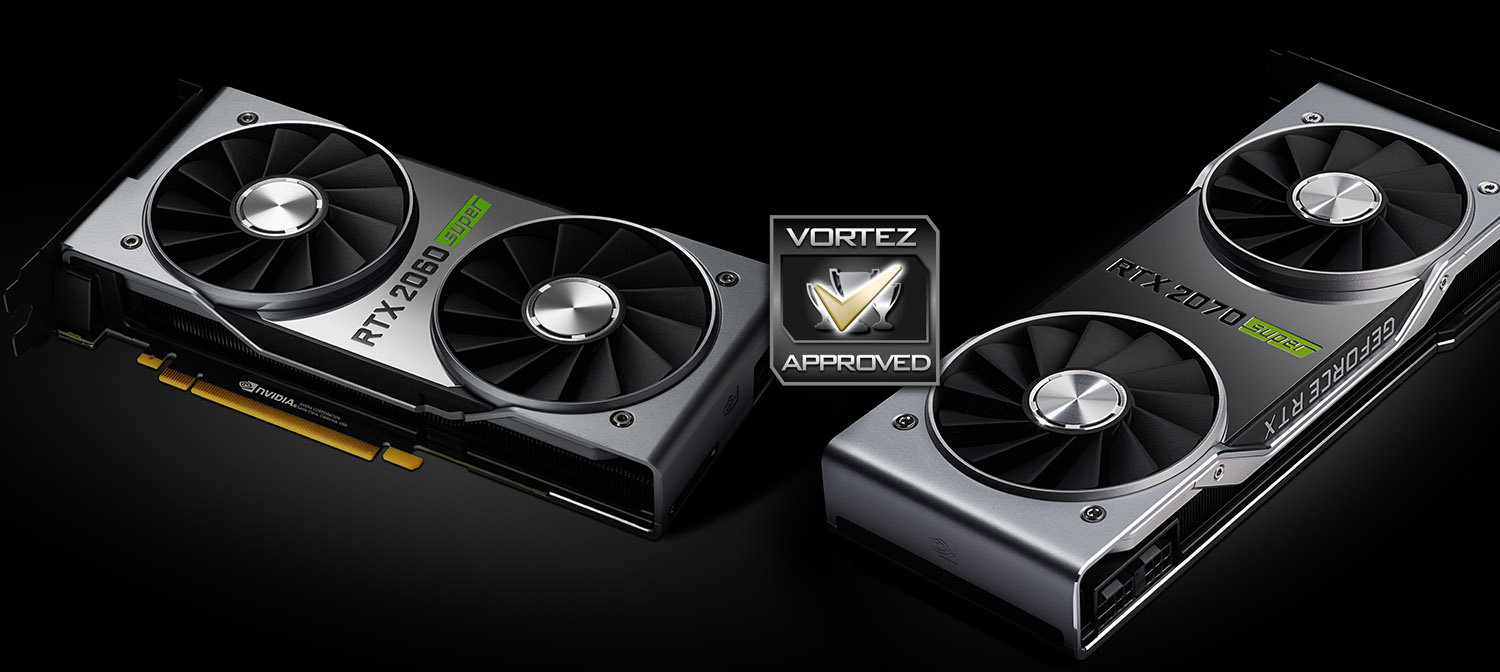
Those moving up from the likes of a GTX 9XX series GPU will see more value in upgrading to SUPER than those currently residing with the GTX 10-series. The reality of today’s SUPER variants is that in terms of performance, the RTX 2060 SUPER shifts up to the RTX 2070 and the RTX 2070 SUPER shifts to the realms of RTX 2080.
Such a refresh is never intended to bring anything revolutionary to the table, so we aren’t exactly blown away by the release of SUPER but nevertheless, the improvements that have been made to memory capacity, clockspeeds and SM counts are good and very much welcomed.
For gamers and enthusiasts, competition is always a good thing. AMD is causing NVIDIA to act and could possibly be threatening their position at the high-end. A clearer picture will be visible in the coming days, so stay tuned. Both 2060 and 2070 will go on sale next week, along-side partner/custom cards.
Lowering prices to steal the thunder is nothing new in the world of tech, but we’re pleased to see that heated rivalry is supplying better value in the GPU market.
Pros
+ Exquisite styling
+ Decent cooling design w/backplate
+ Performance benefits for both cards
+ Better value for money
+ Two-award winning games included
Cons
– None immediately obvious
+ Exquisite styling
+ Decent cooling design w/backplate
+ Performance benefits for both cards
+ Better value for money
+ Two-award winning games included
Cons
– None immediately obvious
Click here for an explanation of our awards at Vortez.net.
Stay connected with the Vortez Social Media pages:
Join in with the discussions on Discord