The NVIDIA GTX 980 Ti is upon us. Sibling to both the TITAN-X and GTX 980, we are looking for flagship performance without a ridiculous price tag associated with such products. See how it measures up against a backdrop of high end graphics cards in our latest review.

Product on Review: GeForce GTX 980 Ti
Manufacturer & Sponsor: NVIDIA
Price: £549 / $649 / €739
Dismissing the TITAN family of NVIDIA GPUs, the GTX 980 series is the flagship graphics card from NVIDIA. The GTX 980 when released back in September last year was met with universal praise thanks to the Earth shattering performance it gave us. Indeed, in our review of the GTX 980, it was awarded both Gold and performance accolades. Fast forward 8 months to today and NVIDIA have released the much hyped GTX 980 Ti.
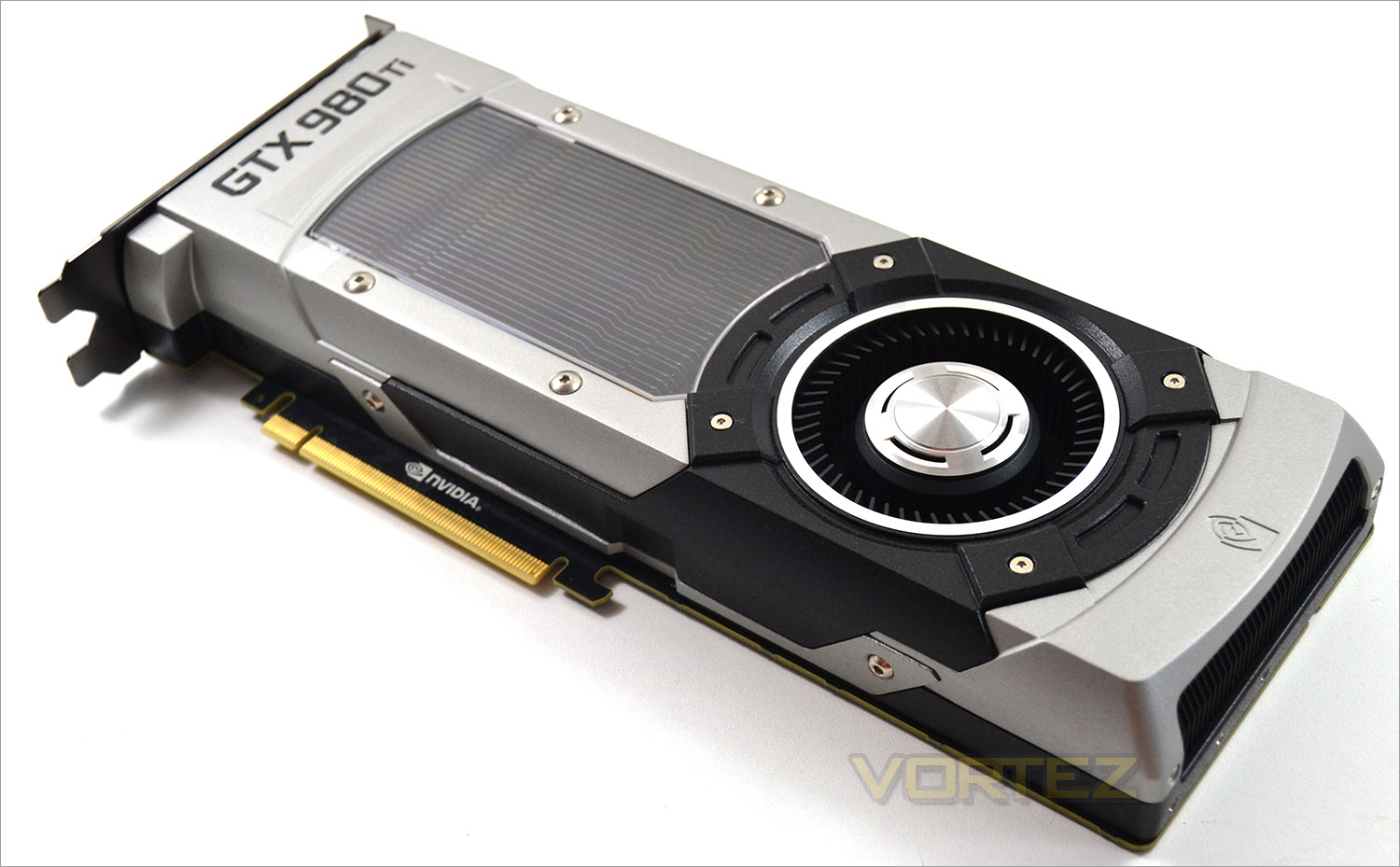
With Windows 10 just around the corner and the latest DirectX 12 (which this card fully supports), now would seem to be a good time to upgrade your graphics card and NVIDIA have hopefully given us cause to do so with their latest effort. At £550 it certainly isn’t a cheap upgrade and is some £120 more than the GTX 980 upon release. It is however some £400 cheaper than the TITAN-X which I think we can all agree is beyond what most enthusiasts are willing to pay for a graphics card. Flagship graphics cards have always increased in price, at least if the past five or so years are anything to go by so this price hike is expected if somewhat begrudgingly. Is it worth the cost though? Worth £120 more than the GTX 980? Should you upgrade? Should you (dare we suggest) even switch loyalties from AMD with their 290X? These and other questions we will answer throughout our review so sit back, buckle up as we take you through NVIDIA’s latest and greatest: The GTX 980 Ti.
About NVIDIA
INGENUITY THAT ADVANCES THE INDUSTRY
Our products span the entire spectrum of visual computing — from fundamental inventions, to processors incorporating GPUs, to system components, to fully integrated systems. We target three major vertical markets: gaming; professional visualisation and design; and high performance computing and big data analytics. For each, we offer a platform of processors, software, tools, marketing, expertise and, increasingly, connected services. We leverage innovations that we create for these markets by selling components and licensing IP to leading OEMs that wish to create devices differentiated by rich graphics.
Our products span the entire spectrum of visual computing — from fundamental inventions, to processors incorporating GPUs, to system components, to fully integrated systems. We target three major vertical markets: gaming; professional visualisation and design; and high performance computing and big data analytics. For each, we offer a platform of processors, software, tools, marketing, expertise and, increasingly, connected services. We leverage innovations that we create for these markets by selling components and licensing IP to leading OEMs that wish to create devices differentiated by rich graphics.
Specification
Graphics Processing Clusters: 6
Streaming Multiprocessors: 22
CUDA Cores (single precision): 2816
Texture Units: 176
ROP Units: 96
Base Clock: 1000 MHz
Boost Clock: 1075 MHz
Memory Clock: 3505 MHz
Memory Data Rate: 7 Gbps
L2 Cache Size: 3072K
Total Video Memory: 6144MB GDDR5
Memory Interface: 384-bit
Total Memory Bandwidth: 336.5 GB/s
Texture Rate (Bilinear): 176 GigaTexels/sec
Fabrication Process: 28 nm
Transistor Count: 8 Billion
Connectors: 3 x DisplayPort
1 x HDMI
1 x Dual-Link DVI
Form Factor: Dual Slot
Power Connectors: One 8-pin and one 6-pin
Recommended Power Supply: 600 Watts
Thermal Design Power: 250 Watts
Thermal Threshold: 92° C
Streaming Multiprocessors: 22
CUDA Cores (single precision): 2816
Texture Units: 176
ROP Units: 96
Base Clock: 1000 MHz
Boost Clock: 1075 MHz
Memory Clock: 3505 MHz
Memory Data Rate: 7 Gbps
L2 Cache Size: 3072K
Total Video Memory: 6144MB GDDR5
Memory Interface: 384-bit
Total Memory Bandwidth: 336.5 GB/s
Texture Rate (Bilinear): 176 GigaTexels/sec
Fabrication Process: 28 nm
Transistor Count: 8 Billion
Connectors: 3 x DisplayPort
1 x HDMI
1 x Dual-Link DVI
Form Factor: Dual Slot
Power Connectors: One 8-pin and one 6-pin
Recommended Power Supply: 600 Watts
Thermal Design Power: 250 Watts
Thermal Threshold: 92° C
Comparison
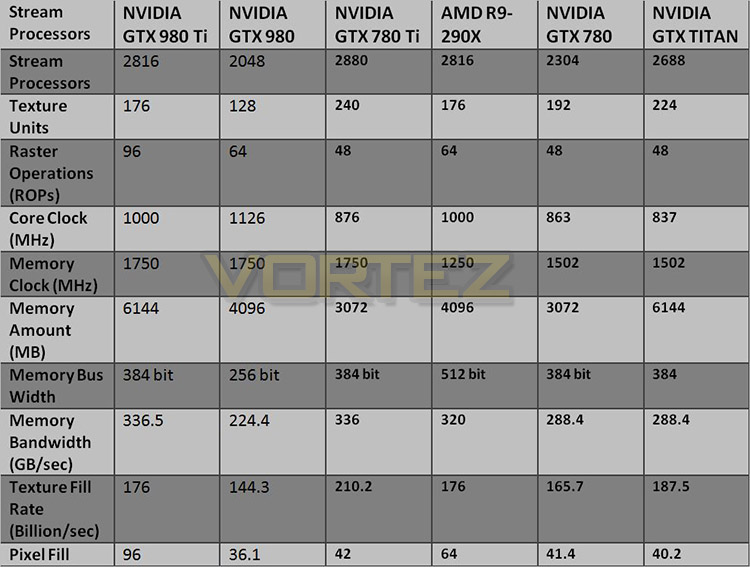
Being a ‘Ti’ variant you can expect more performance to be unlocked from the GM200 core it is based upon. It has a 38% increase in CUDA cores to an astonishing 2816 over the 2048 provided by the GTX 980 while 176 texture units are on tap for texture processing. This makes 22 SM units if you are keeping count – 2 less than the TITAN-X which leads us to believe that the GTX 980 Ti has the TITAN-X core at its heart but with two of the SMs disabled/non-functional. Core frequency has taken a slight hit, reduced back to 1000MHz against the GTX 980’s 1126MHz however, memory size has been increased to 6GB GDDR5 giving a peak memory bandwidth some 50% higher the the GTX 980 at 336.5GB/sec. There’s also 3MB of L2 cache and 96 ROPs against the GTX980’s 64 ROPs. A further comparison can be had simply by evaluating the number of transistors each model has: 8 billion vs 5.2 billion in the GTX 980’s favour!
Features
DirectX 12
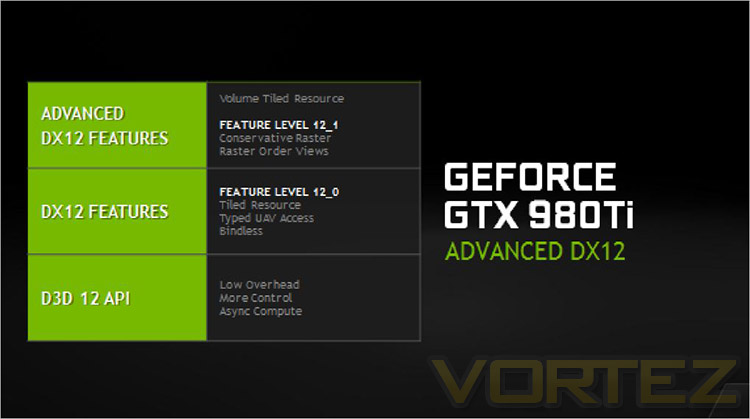
The next generation of gaming graphics is almost upon us and the DirectX 12 API is likely to be at the foundation of many gaming engines such as CRYENGINE, Unreal engine and Unity. Feature level 12.1 is fully supported by Maxwell architecture and gives us such goodies as volume tiled resourcing, sparse fluid simulation and conservative rastering along with ray-traced shadows.
Volume Tiled resources
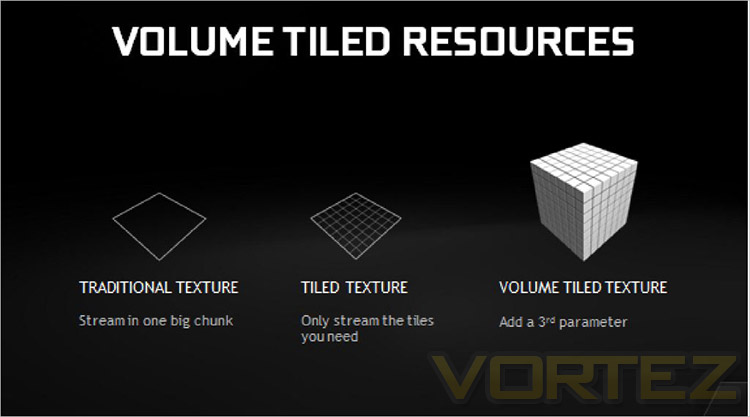
Volume Tiled resources makes volumetric imaging much more realistic (think smoke/fire/fluids). We often find that volumetric effects have a major impact on framerates and these effects which make our gaming experience more realistic sadly have to be throttled back in the game video settings in order to obtain fluid and playable framerates. DirectX 12.1 promises to improve memory efficiencies allowing game developers to make these effects more detailed without the massive hit to GPU performance.
Conservative Raster
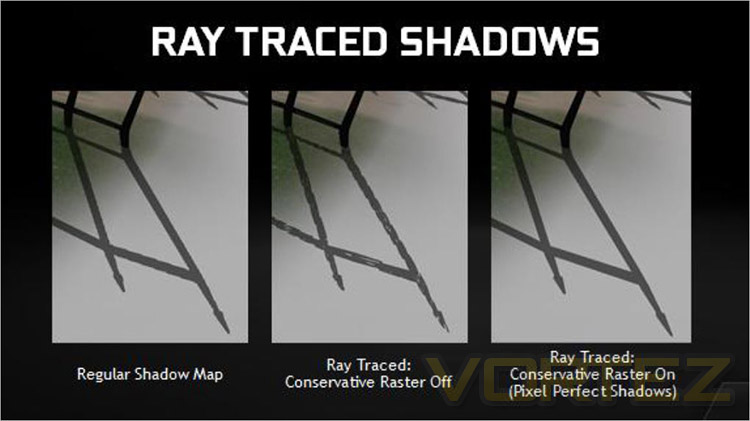
Conservative rastering allows game developers to implement ray traced shadows rather than using aliasing to prevent the jagged edges we all try and avoid. This in turn gives us a much sharper, realistic image. Conservative rasterization rules allow the GPU to operate much more efficiently by providing this hardware acceleration.
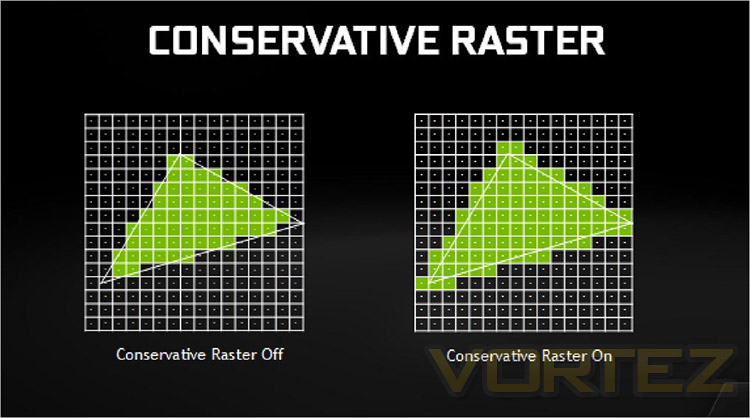
Previously, filling angled shapes was done by the GPU decided how much of a pixel was covered. If less was covered then the pixel would not be filled, more and it would. Conservative Rastering works differently as it determines that if any part of a pixel is covered by the shape being drawn than that pixel would be filled.
4K
4K is now within reach of most budgets and to render at 4K resolutions requires some serious graphics processing power. We have been using a 4K screen on our test rig for the past year and have found that only the very best graphics cards can produce playable framerates. The GTX 980 Ti. Aside from processing power, one of the biggest factors is memory bandwidth, more specifically, the memory subsystem. Without a finely tuned subsytem, it matters little how much memory your graphics card has. Caching is an integral part of the subsytem and here is where the GTX 980 Ti shines because with 3MB of L2 cache and each SM having its own dedicated 96KB of shared memory with each SMM having 48KB of pool memory you can be assured, it doesn’t get much better than this. 4K gaming is now a reality.
G-Sync
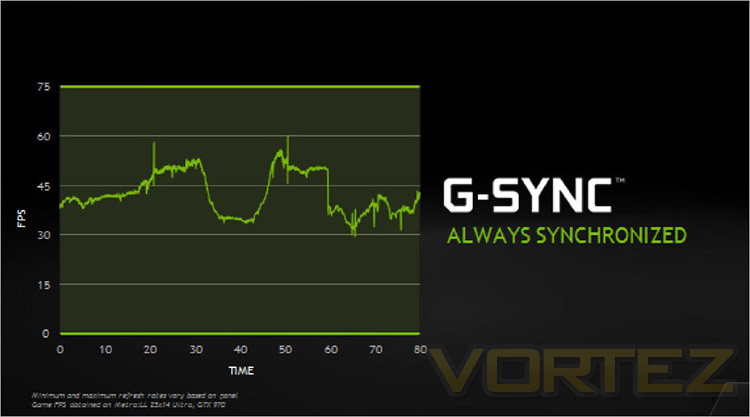
Staying above your monitors refresh rate is key to a fluid gaming experience. Syncing at 60FPS with a 60hz monitor is all good and well but why limit yourself to 60FPS? NVIDIA’s G-Sync technology allows the user to un-cap framrates while still remaining above the monitor refresh rates thanks to G-Sync technology enabled monitors. ACER and ASUS are about to release a new crop of monitors featuring the latest in G-Sync technology so watch this space.
First Look
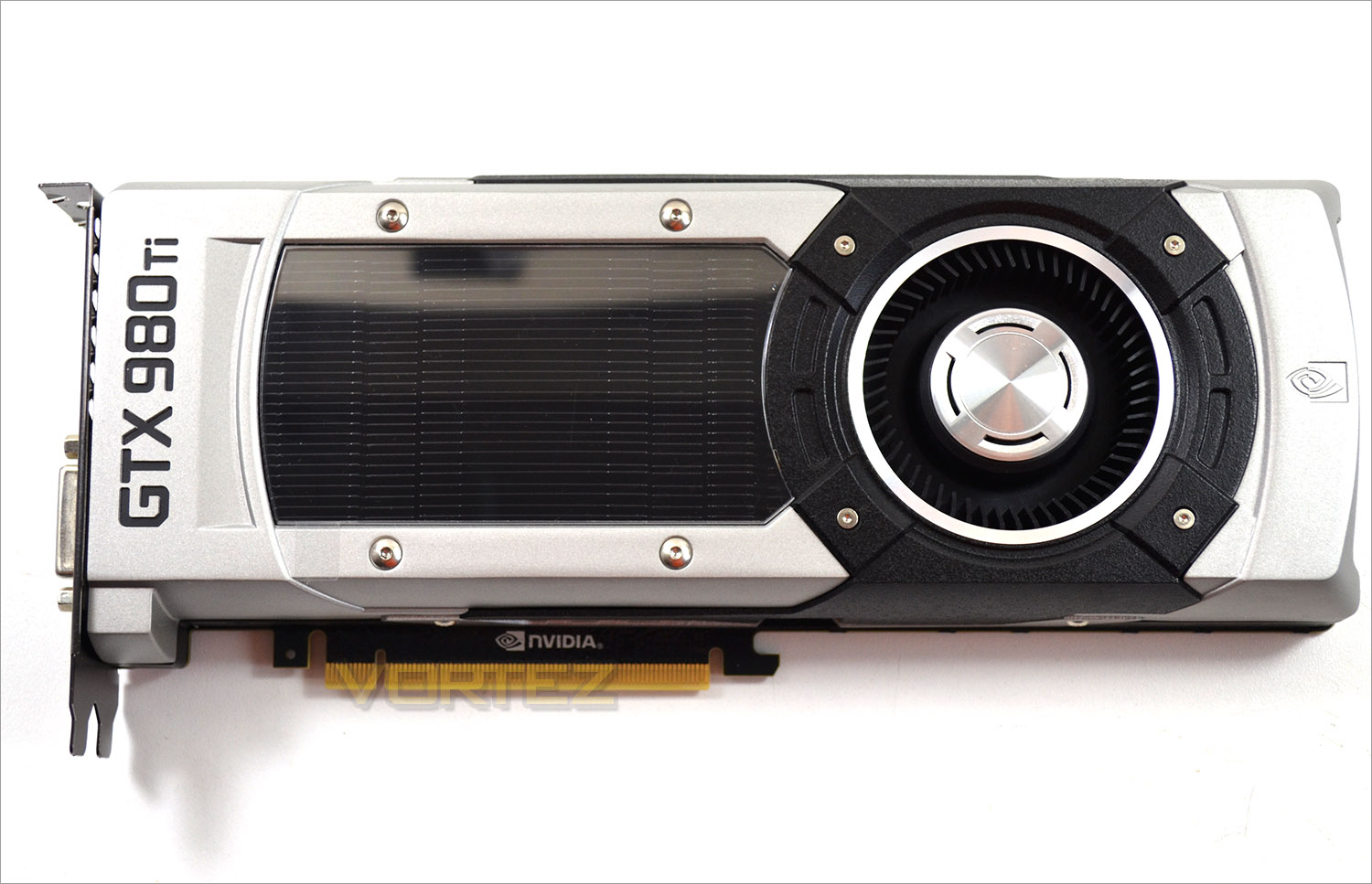
The GTX 980 Ti looks at first glance like most other NVIDIA reference cards from the high end stable with the now familiar cooling design employed once again. We’ve said it before but this design is truly fantastic. It’s stylish but more importantly performs extremely well being both cool and silent in operation.
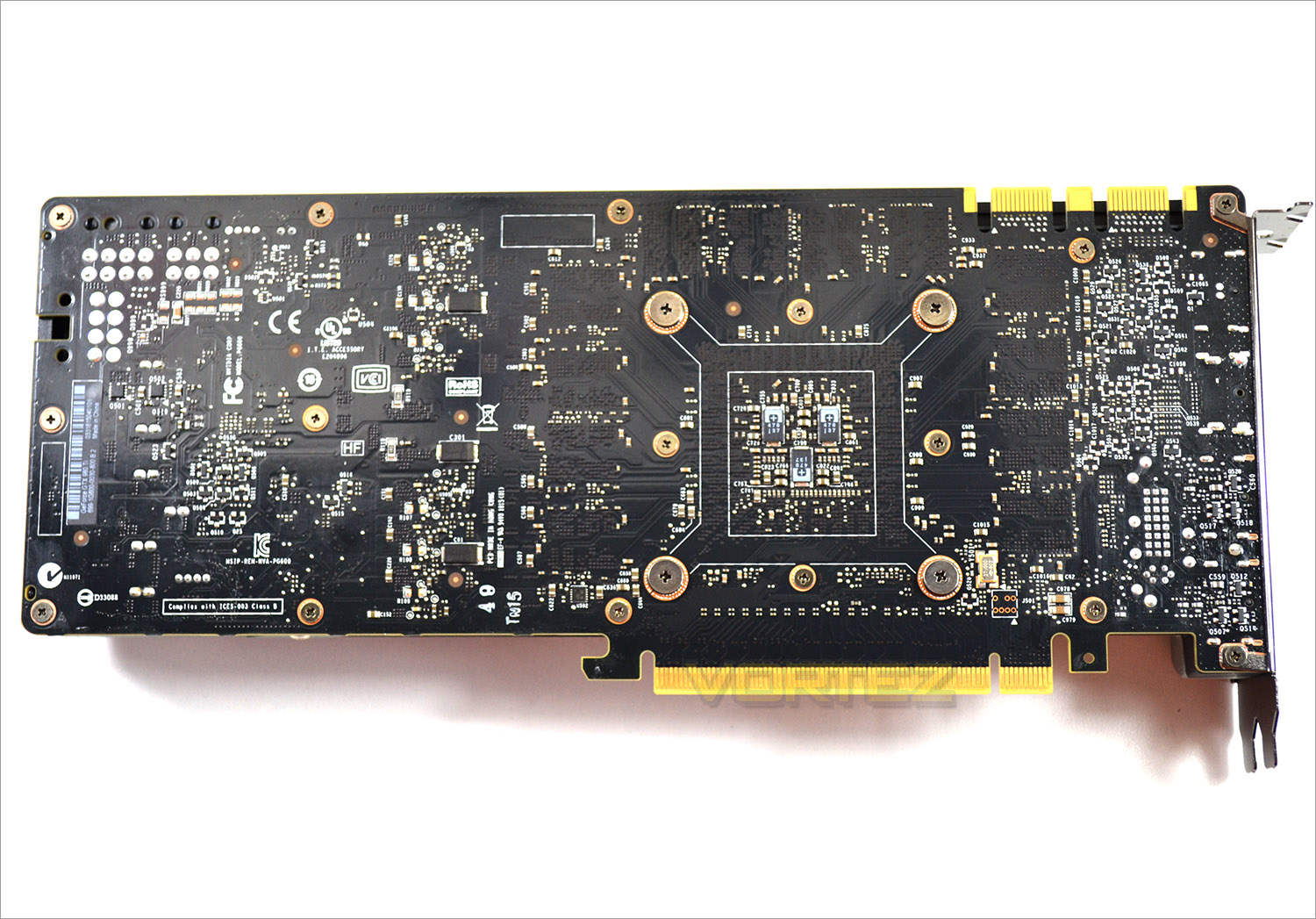
We were slightly disappointed to find the rear of the card being exposed to the environment. We would have liked to have seen a backplate here. While it would serve no purpose other than for protection and aesthetics, for £550 we didn’t think it was too much to expect.
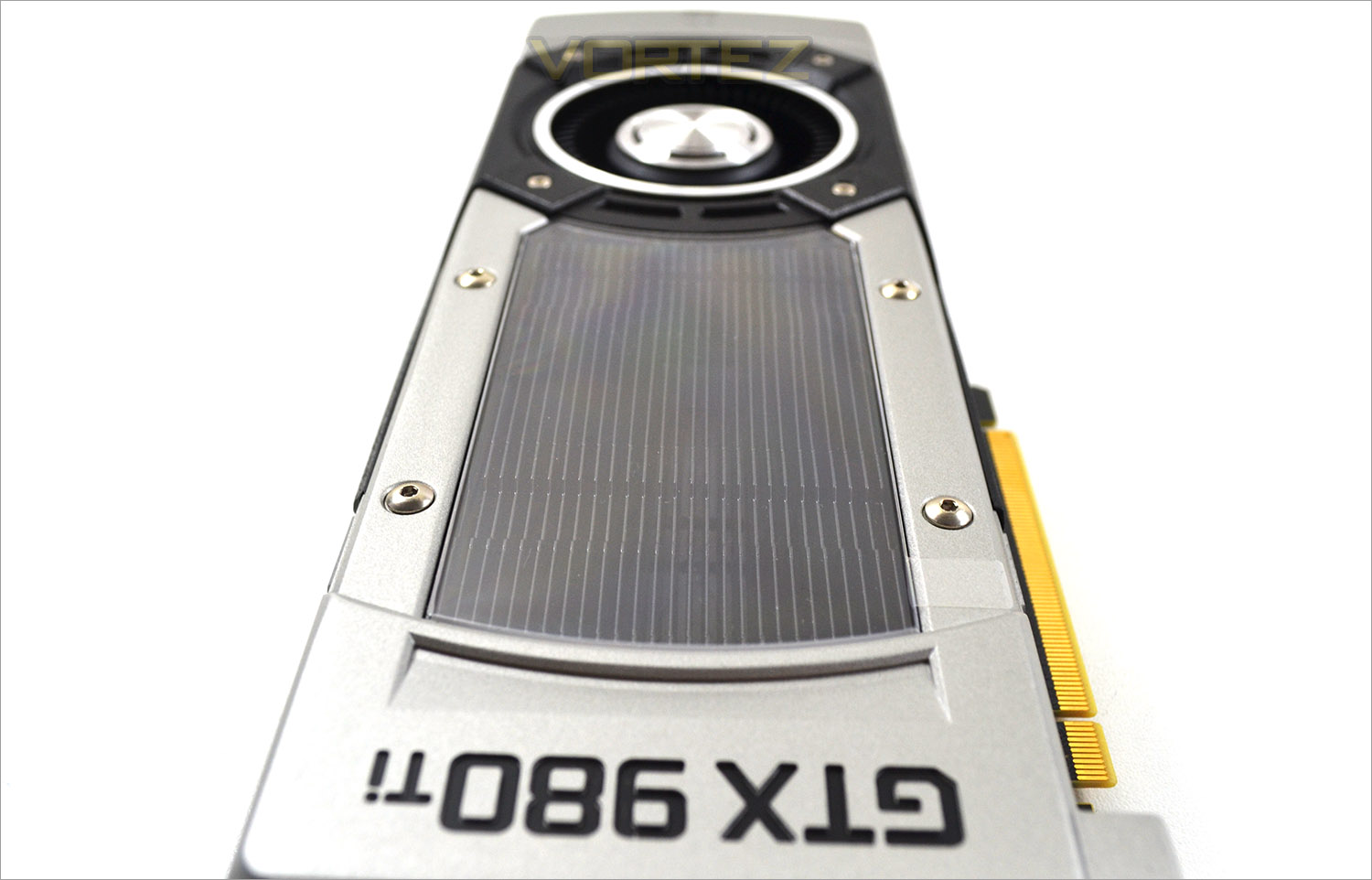
The card carries the same dimensions as both the TITAN-X and GTX 980 being 10.5 inches in length and 4.376 inches wide. You will need two spare slots on your motherboard as this card, like it’s forbears is a dual slot design.
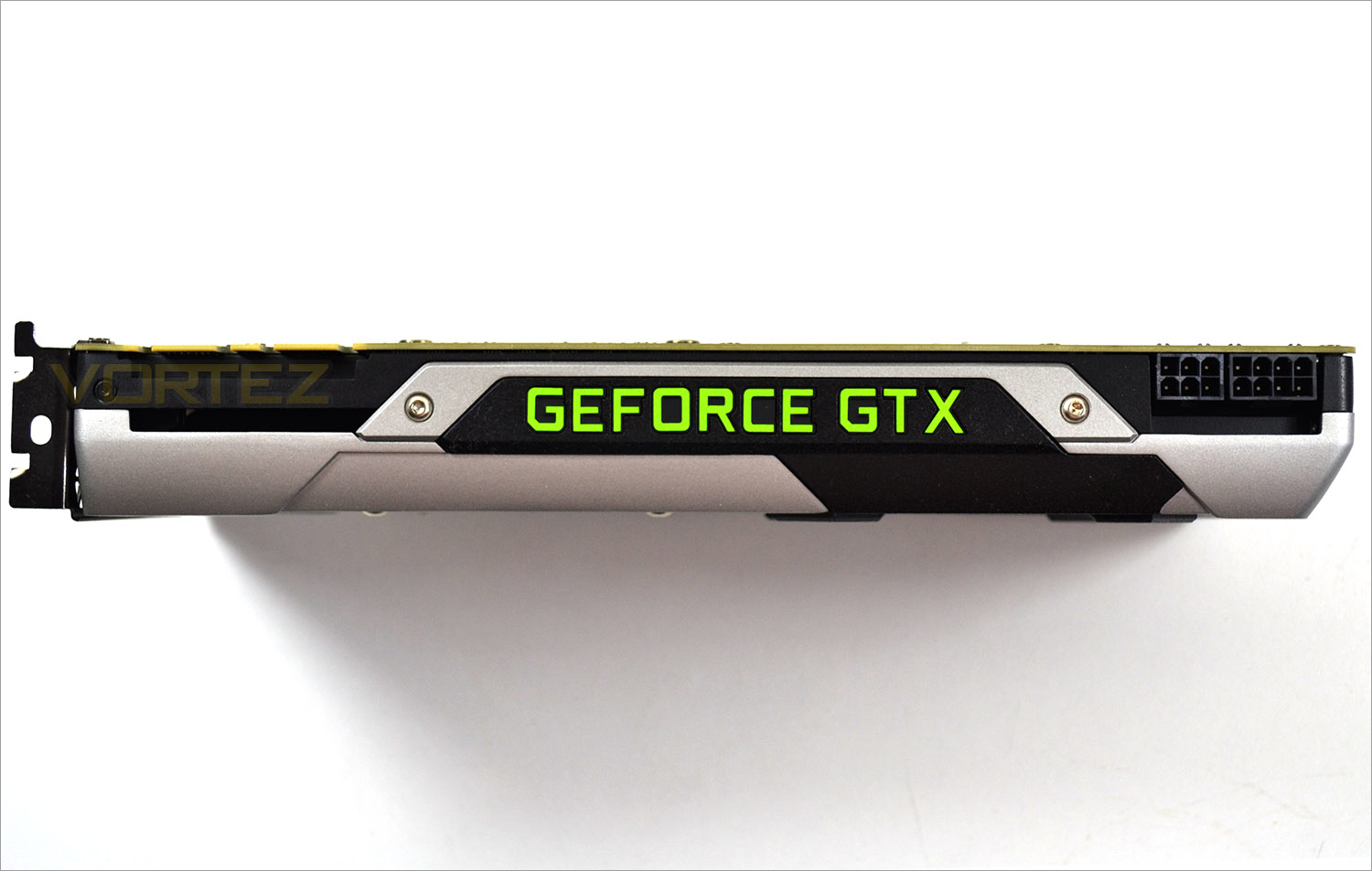
Once again we find the GeFORCE emblem along the mid-riff of the card which illuminates in (you guessed it) lime green.
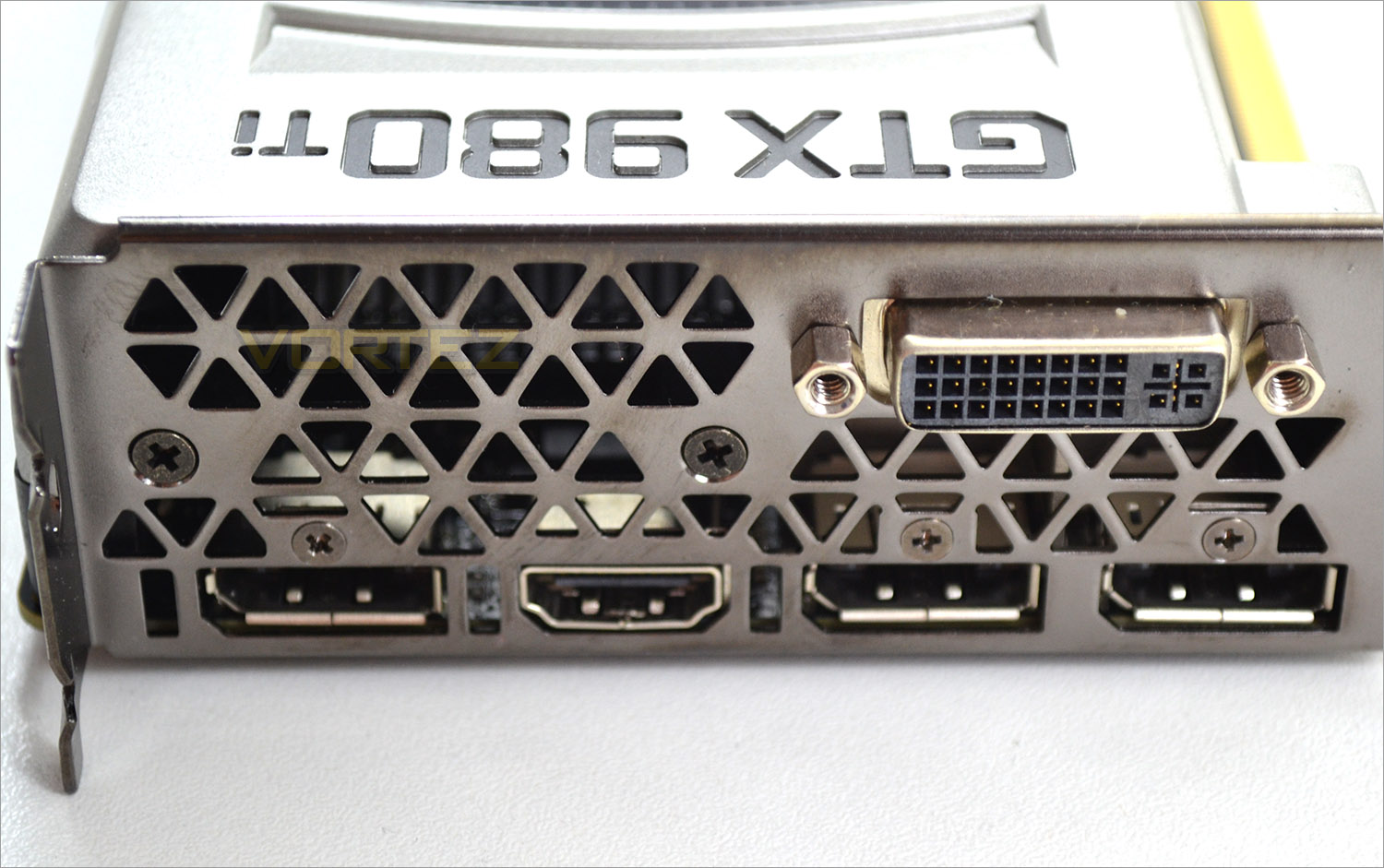
The Input/Output area of the card features 3x DisplayPorts, an HDMI port and a dual-link DVI port.
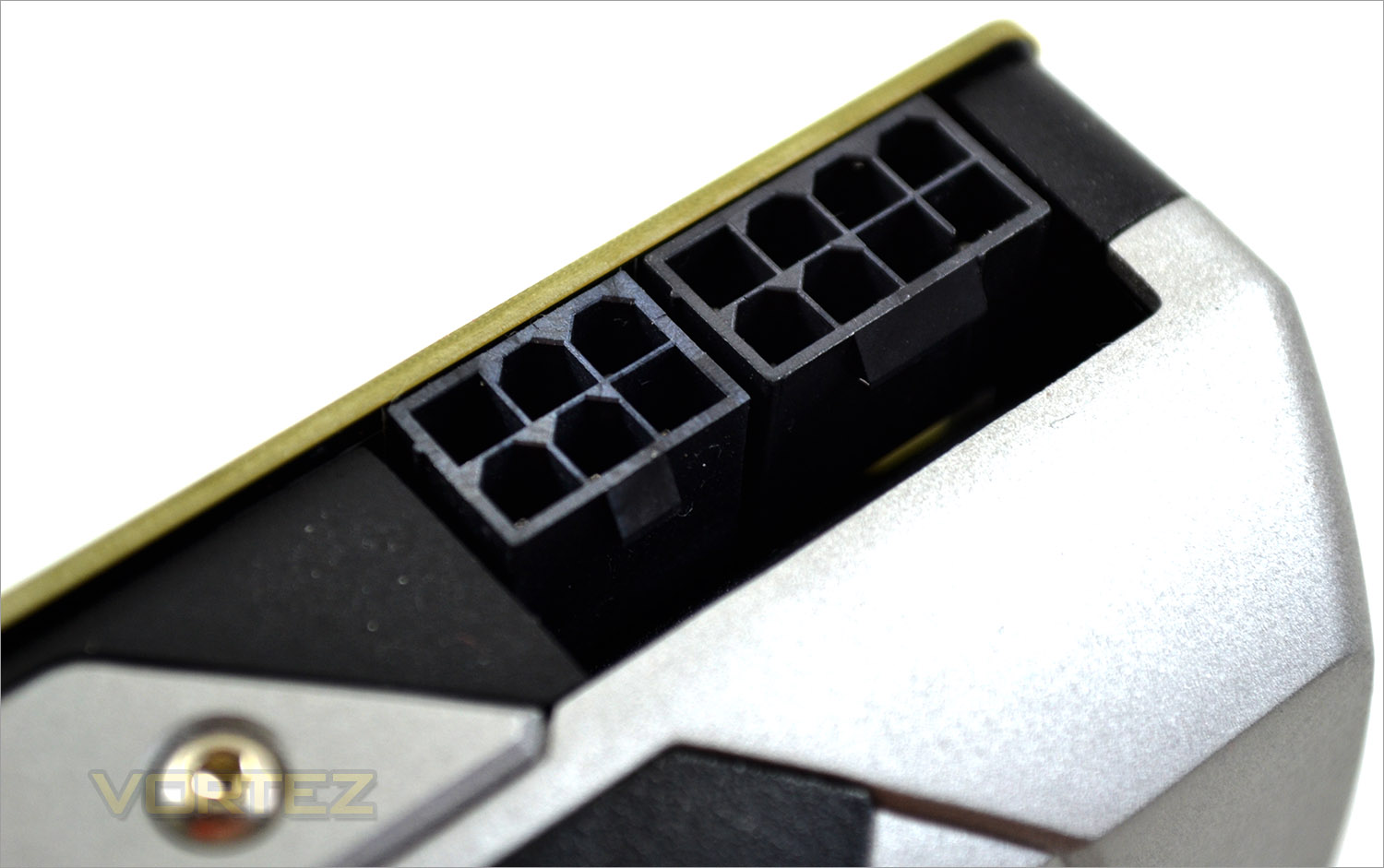
NVIDIA are recommending a 600W PSU to power this card which as you can see will need both 6+8 pin PCIe power cables.
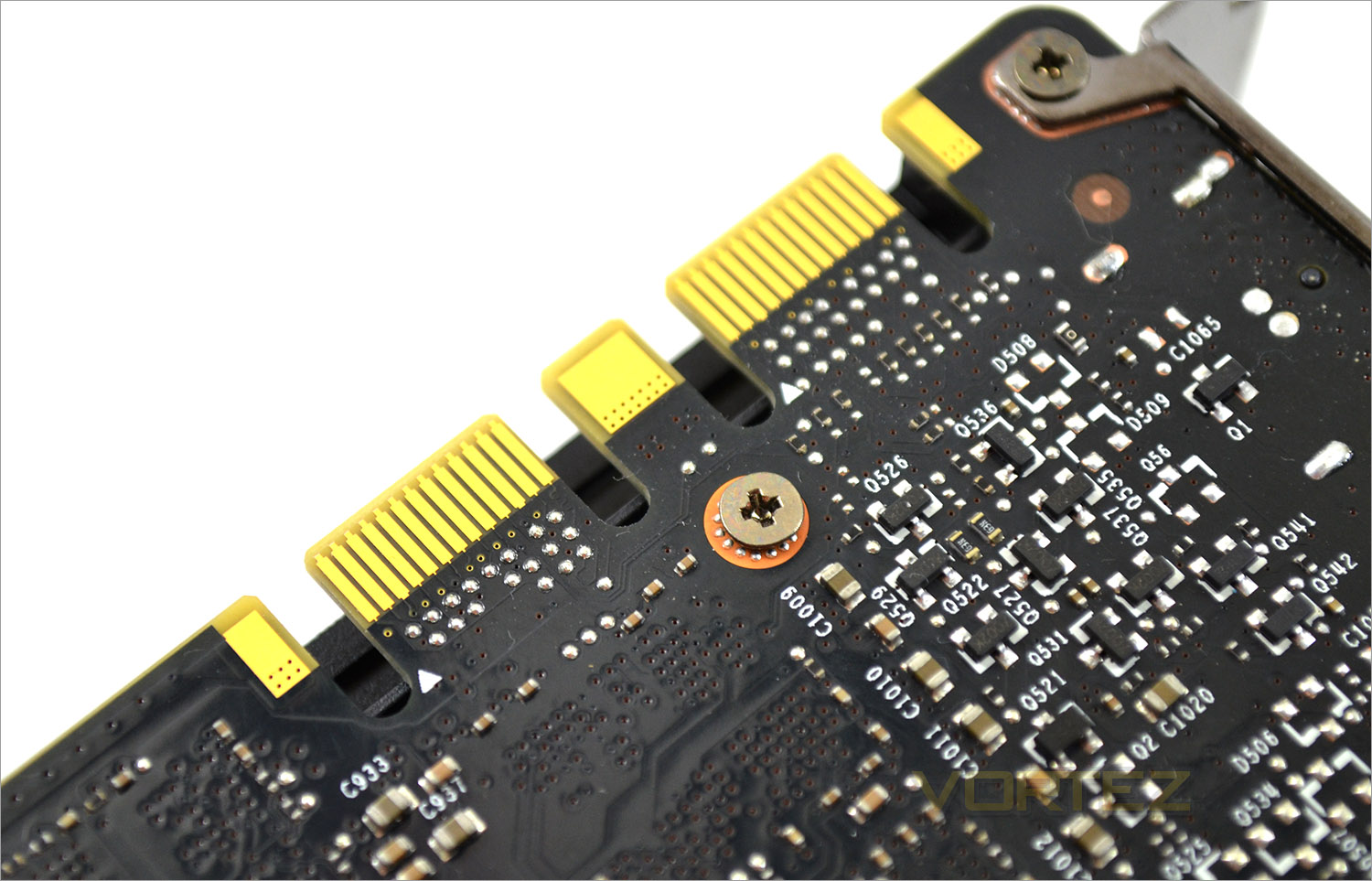
Being a flagship card it should come as no surprise that SLI is fully supported here with two tabs available for multi-SLI use.
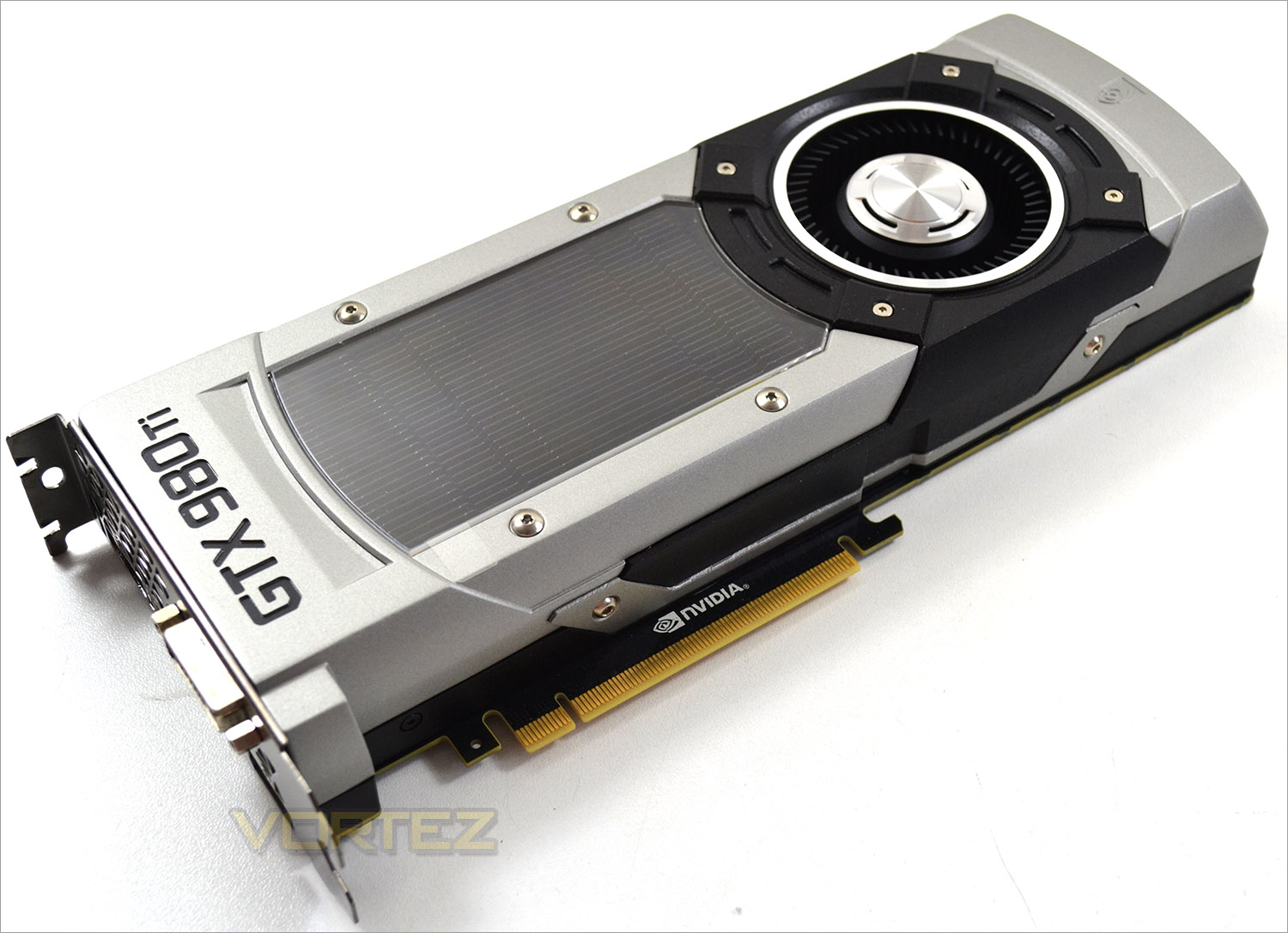
Overall, on the face of the GTX 980 Ti looks identical to previous flagship cards from NVIDIA with no discernible improvements made to the cooling design – not that it needs it of course. If we had to feedback a little criticism it would be the lack of backplate. The exposed area of the card is the area which will be seen and thus we would like to see a a nice GTX or NVIDIA emblem instead of the bland black PCB which does little for aesthetics. The card looks a stunner, but sadly most of the visuals are wasted as they will be hidden on the underside of the card, out of site in a standard ATX case.
Closer Look
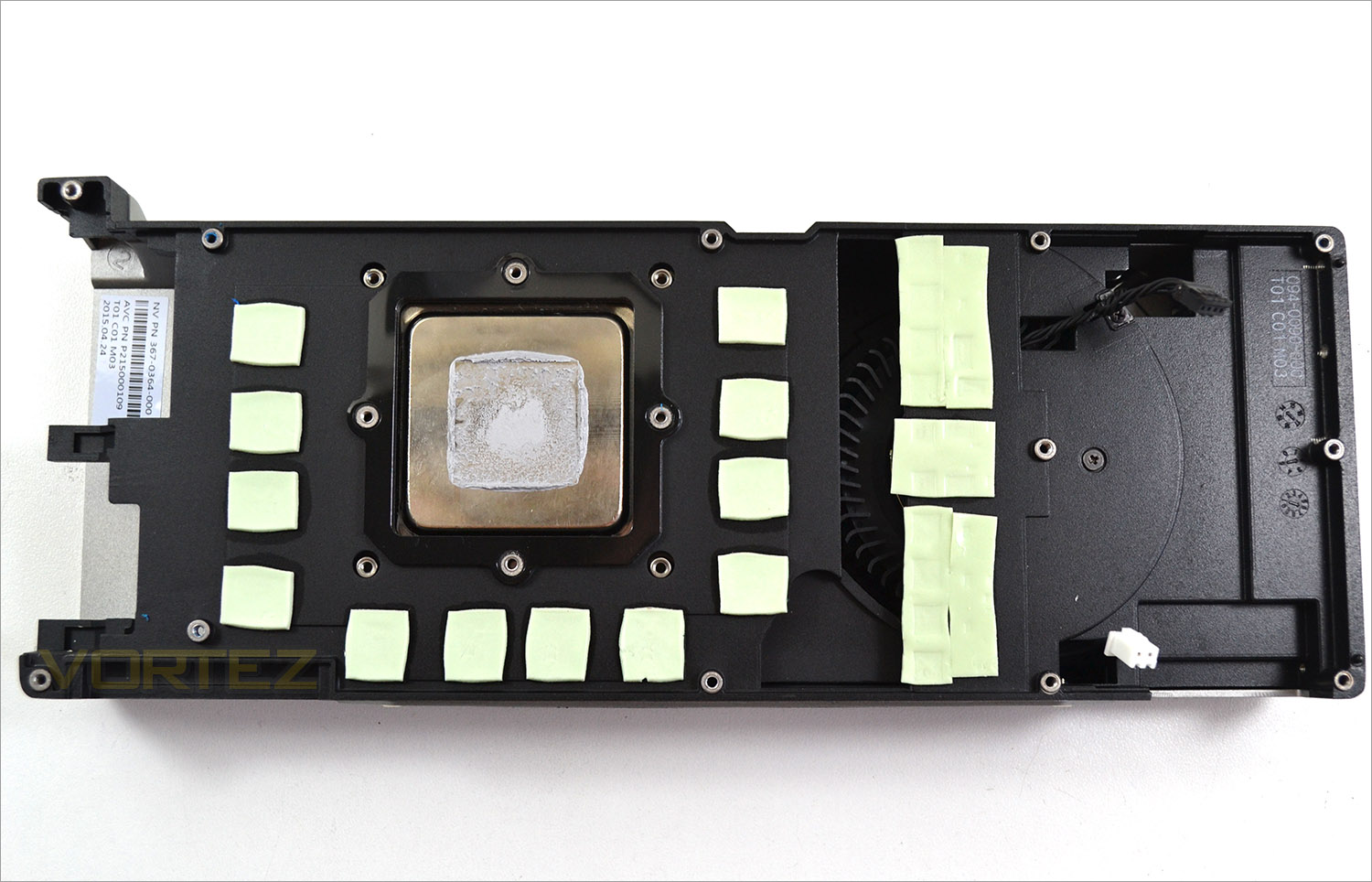
Here we see a minor change from the norm with the base contact plate being nickel plated copper instead of bare copper as found on the GTX 980. We surmise that oxidation could become an issue hence the plating because aesthetics have no use here unless you have a fetish for staring at bare naked components!
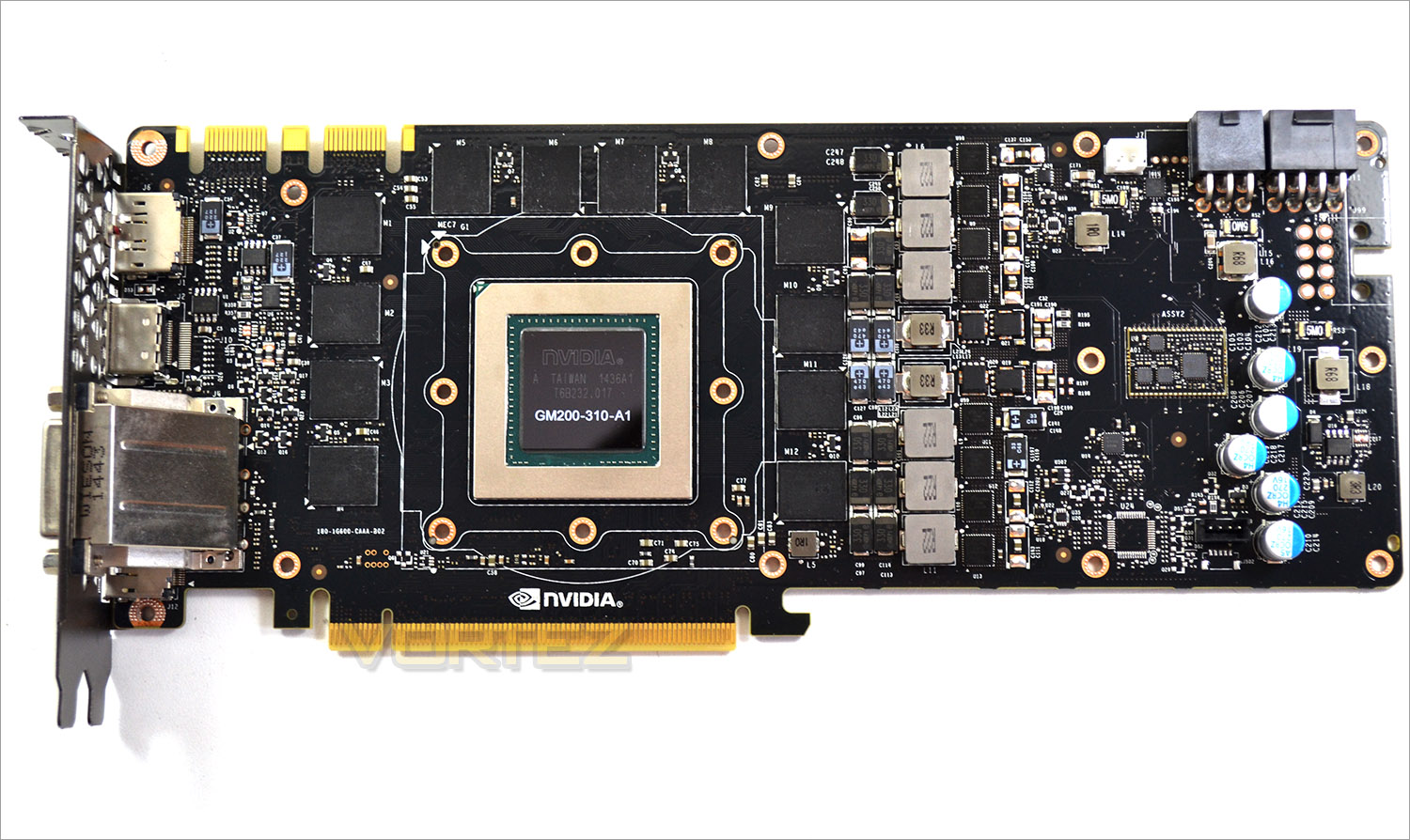
The black PCB is adorned with a multitude of transistors in similar formation to previous generation GPU’s with the core centralised and framed by the 12 memory heatsinks with the VRM situated toward the end of the card. We still cannot fathom why manufacturers don’t place the VRM nearer then exhaust port as the heat generated here passes over the core exasperating the heat produced. Still, NVIDIA are not the only manufacturer to employ this design with the vast majority also employing similar designs so there must be some method in the madness.
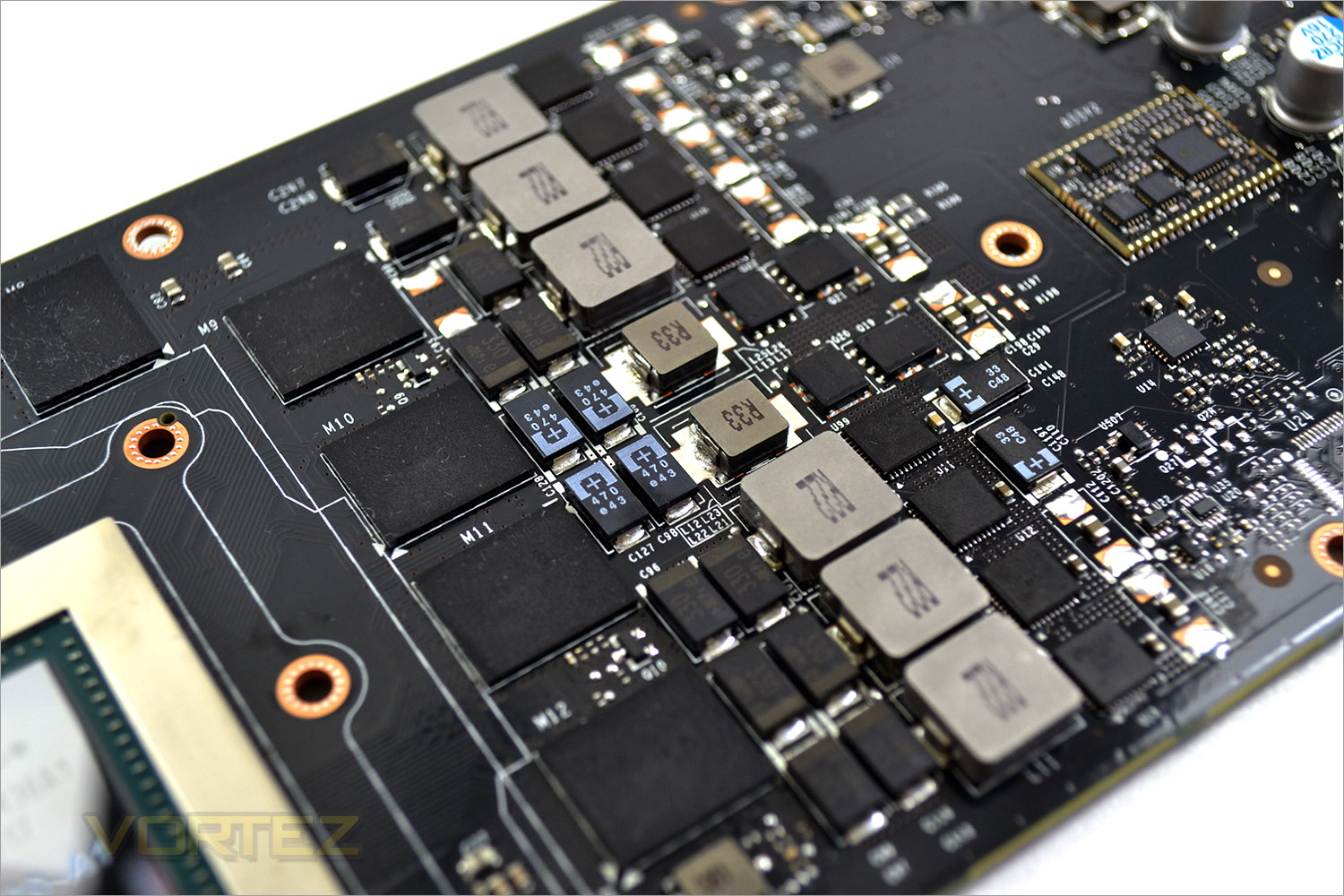
The VRM area comprises a 6+2+2(1+1) power phase design. 6 being for the GPU, 2 for the memory and the remaining being for auxiliary power which is 2 more than the GTX 980 had.
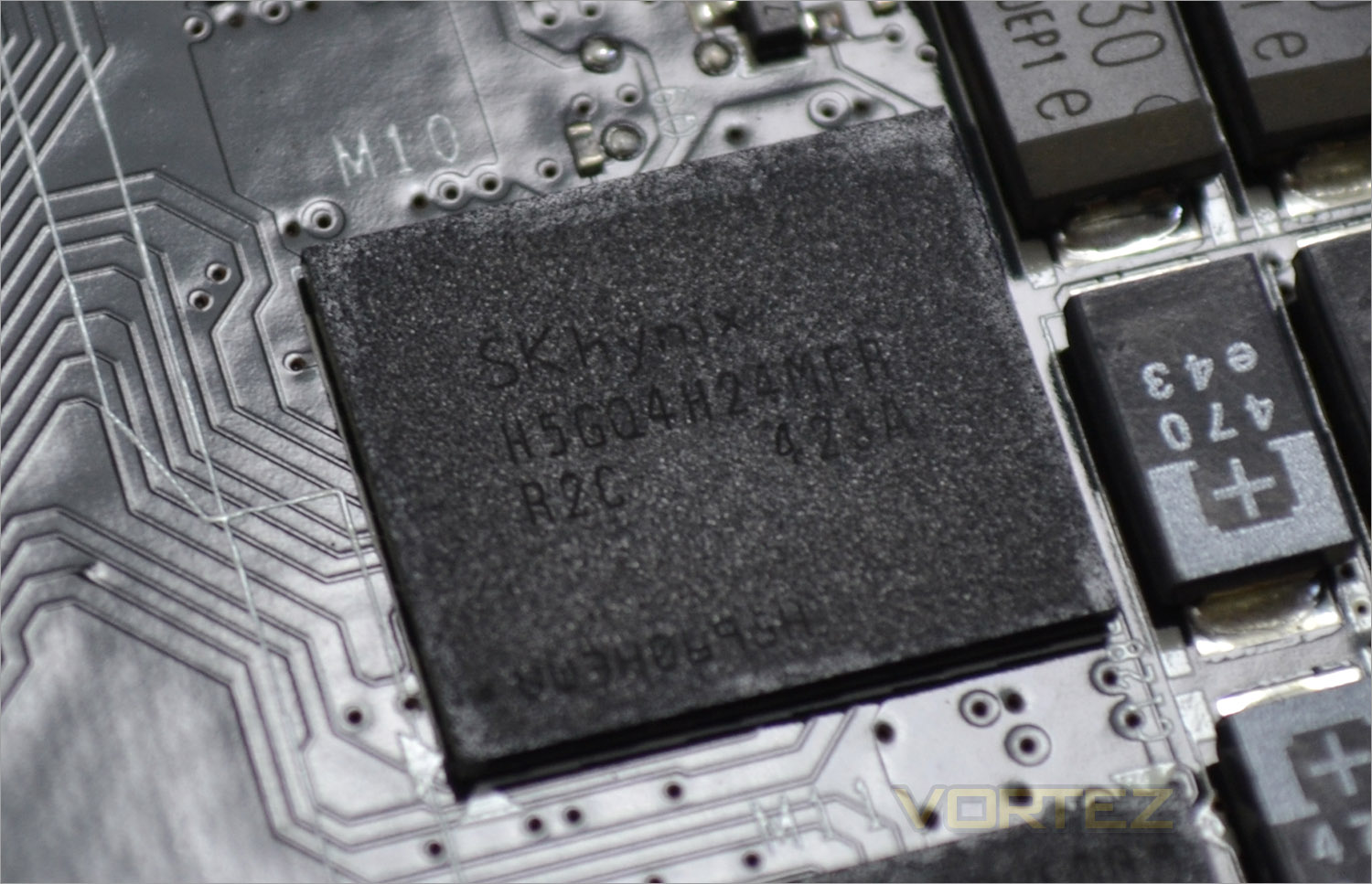
Hynix memory is once again the order of the day but this time the 12 modules make up 6GB of memory. The product code of H5GQ4H24MFR-R2C tells us this memory is rated at 3.5GHz (7GHz effective) GDDR5 SGRAM using 8n prefetch architecture.
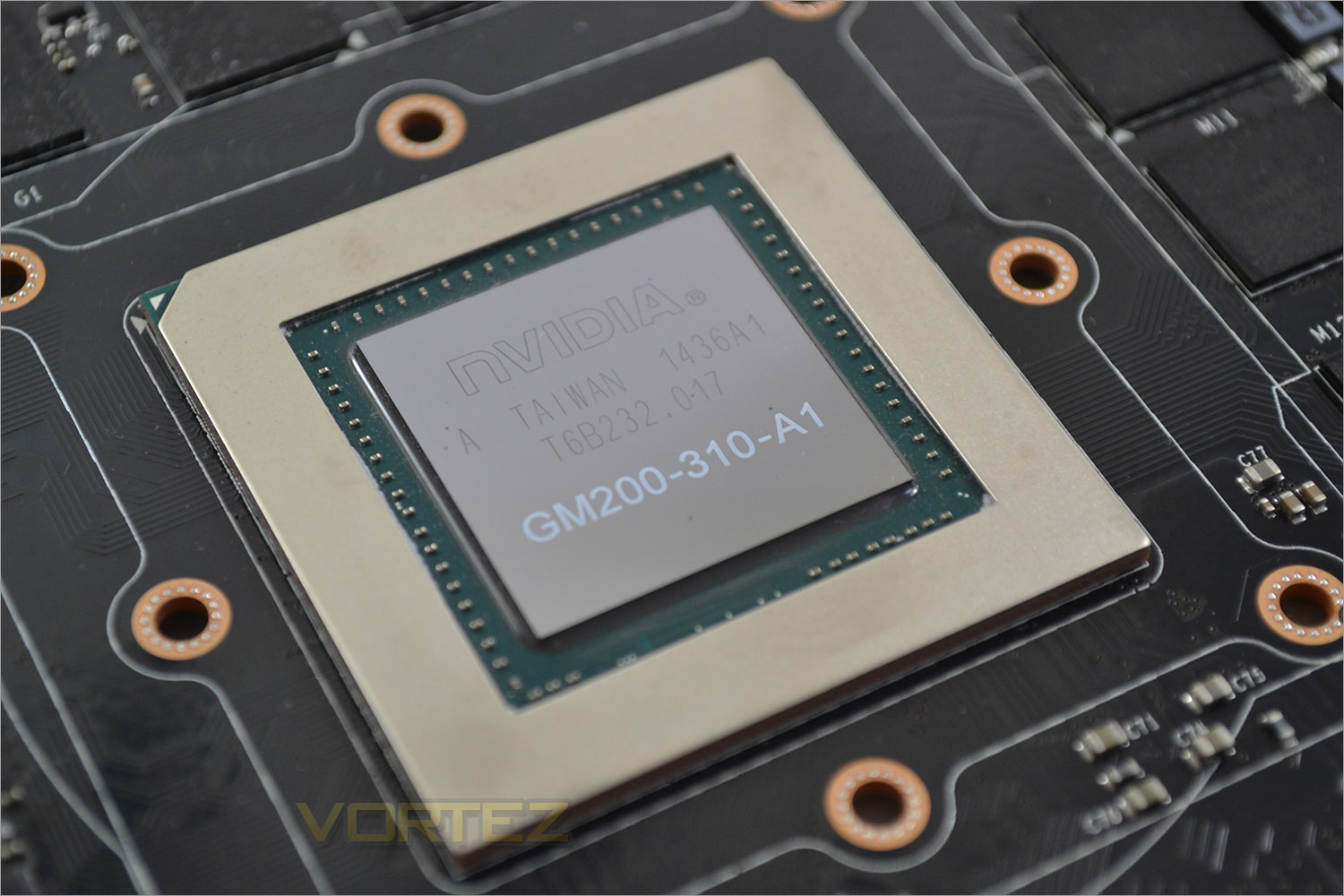
Finally, we reach the beating heart of the card, the GM200 core comprising of 8 billion transistors created by the 28nm TSMIC process.
Test Setup & Methodology
How we test graphics cardsTesting a graphics card is an extremely lengthy process. We sometimes see reviews where a graphic card has been tested using out of date equipment, out of date games and even out of date drivers. While the latter can be excused due to the sheer amount of driver updates making a thorough review impossible we will however notify the reader when we have used a different driver to the normal for example a pre-release driver. For the most part however we will always use the same hardware and latest drivers so this does certainly need to be taken into consideration when viewing our testing results. Each game and benchmark is tested times with the lowest and highest scores omitted out of the 5 results and the average then taken from the three remaining to give us our final result for each resolution and setting used.
HardwareWith the latest Intel chipset release we decided to update our ageing X79 setup to the very latest X99 chipset. Not only that but we will be using the flagship Core i7-5960X Extreme Edition processor clocked to a realistic, achieveable 4GHz to ensure we have no CPU bottlenecks. With 16GB (4x4GB) of GDDR4 at 2666MHz and a 500GB SSD there should be minimal paging so the benchmarks we run today will hopefully give a true reflection of the graphics card’s performance.
High End Graphics cards on test:
NVIDIA GTX 980 Ti 6GB
(Forceware 352.90) ZOTAC GTX 970 AMP! EXTREME CORE(Forceware 344.75)
ZOTAC GTX 970 AMP! EXTREME(Forceware 344.75)
MSI GTX 970 GAMING 4G(Forceware 344.75)
GIGABYTE G1 GAMING SOC GTX 970(Forceware 344.75)
ASUS STRIX GTX 970 4GB GDDR5(Forceware 340.60)
NVIDIA GTX 980 4GB GDDR5(Forceware 340.52)
SAPPHIRE TRI-X R9-290X 4GB GDDR5(Catalyst 14.3)
Special thanks go to Intel, Corsair, MSI and AOC for providing the extreme spec components used for our test bench:
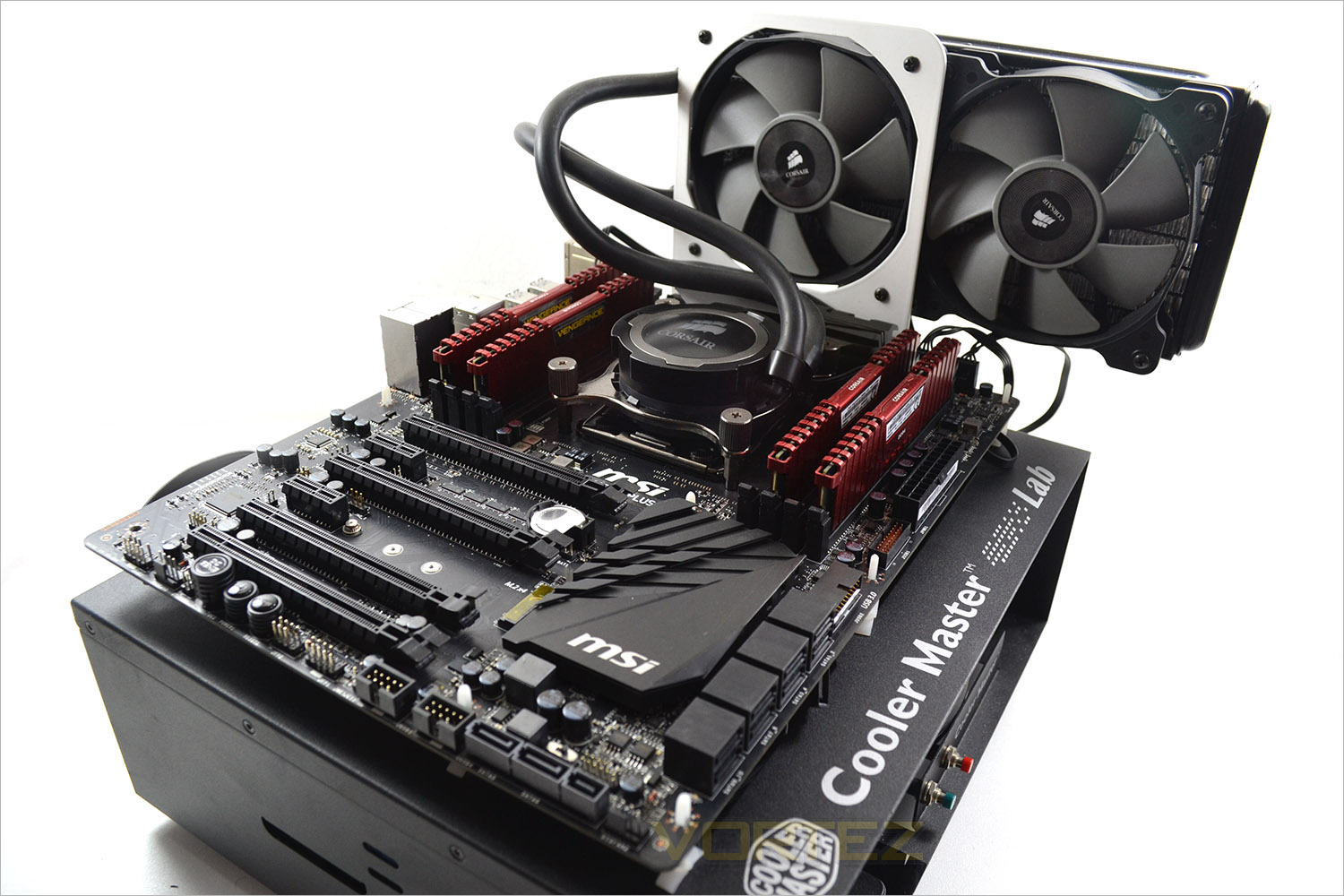
Motherboard: MSI X99S GAMING 9 AC
CPU: Intel Core i7-5960X Extreme Edition @ 4GHz
RAM – 16GB (4x4GB) Corsair LPX Vengeance (Red) DDR3 @ 2666MHz 16-17-17-35 C1
Power Supply – CORSAIR RM Series™ RM1000
Hard Drive – CORSAIR Force Series™ LX 512GB SATA 3 6Gb/s SSD
Cooler – CORSAIR Hydro Series™ H105 240mm Extreme Performance Liquid CPU Cooler
Monitor – AOC 28″ 4K U2868 PQU
CPU: Intel Core i7-5960X Extreme Edition @ 4GHz
RAM – 16GB (4x4GB) Corsair LPX Vengeance (Red) DDR3 @ 2666MHz 16-17-17-35 C1
Power Supply – CORSAIR RM Series™ RM1000
Hard Drive – CORSAIR Force Series™ LX 512GB SATA 3 6Gb/s SSD
Cooler – CORSAIR Hydro Series™ H105 240mm Extreme Performance Liquid CPU Cooler
Monitor – AOC 28″ 4K U2868 PQU
Benchmarks
If you are a regular reader of our reviews you will know we like to test the latest hardware with the latest games and benchmarks on the market. Here are the games we have chosen:
Battlefield 4
Watchdogs
Company of Heroes 2
Thief
GRID: 2
Metro: Last Light
Watchdogs
Company of Heroes 2
Thief
GRID: 2
Metro: Last Light
We also take into consideration the benchmarkers out there so have included 3 of the more popular synthetic benchmarks available:
Unigine: Valley
Unigine: Heaven 4
Futuremark 3DMark Firestrike
Unigine: Heaven 4
Futuremark 3DMark Firestrike
Let’s see how today’s graphics card performed…
Temperature, Acoustics and Power Consumption
Power ConsumptionTo test for power consumption we take a measurement from the plug socket. It is important to note that the figures below represent total system power use and not just the GPU. The CPU was always in a fixed state (4GHz overclock) so did not affect the additional power load when the GPU was placed under 100% load using Furmark which was ran for 15 minutes at which point a load reading was taken. Idle readings were taken 5 minutes after system boot to ensure any background services and applications had loaded.
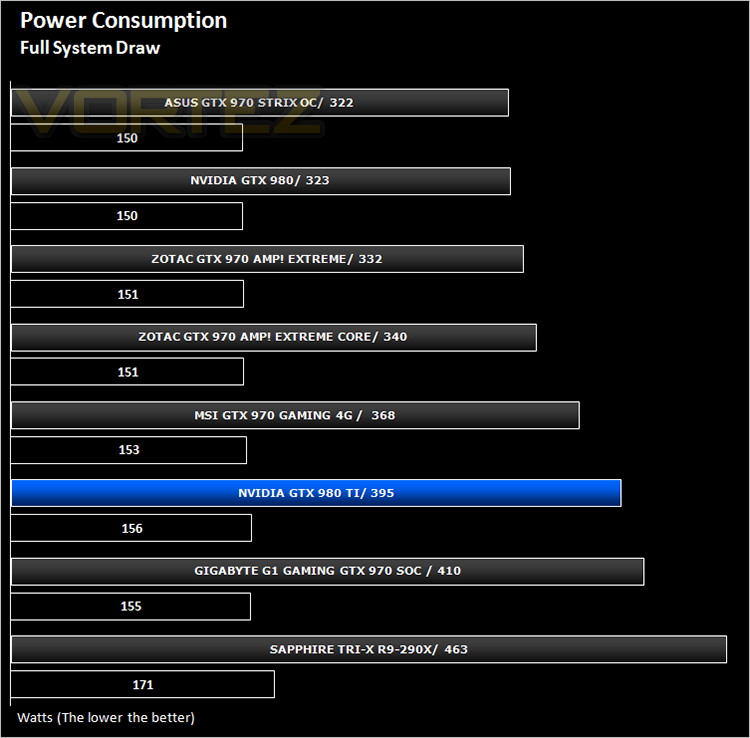
As you can see above, the power figures were fairly good for a flagship card. The Ti variant does however consume a fair bit more power than the GTX 980.
Temperature
To test temperatures we measured idle temperatures after booting windows, letting all applications finish loading and ran a few benchmarks. Once the benchmarks were complete we left the card to reach a cooling plateau where we then took the idle temperatures. For the load tests, we would normally run Furmark for 20 minutes, taking the absolute maximum temperature attained however we found that this throttled the card and resulted in spurious results. So we set Heaven running continuously for 20 minutes and used this as a temperature result.
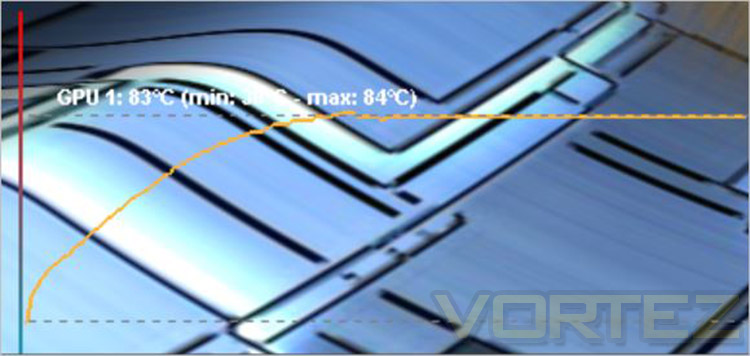
The above screenshot is with the fan profile set to default. During a run of Furmark the GTX 980 Ti hit a maximum 84c and levelled out at 83c. Not a major issue but not quite as cool as we would have liked.
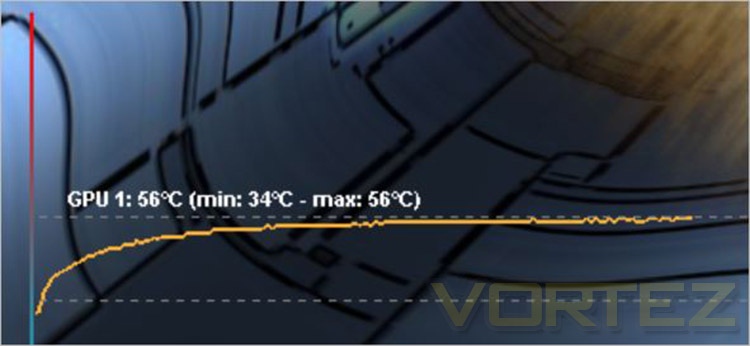
for comparison we ran the benchmark again but this time with the fan set to 100% which gave us much better results but at the expense of acoustics.
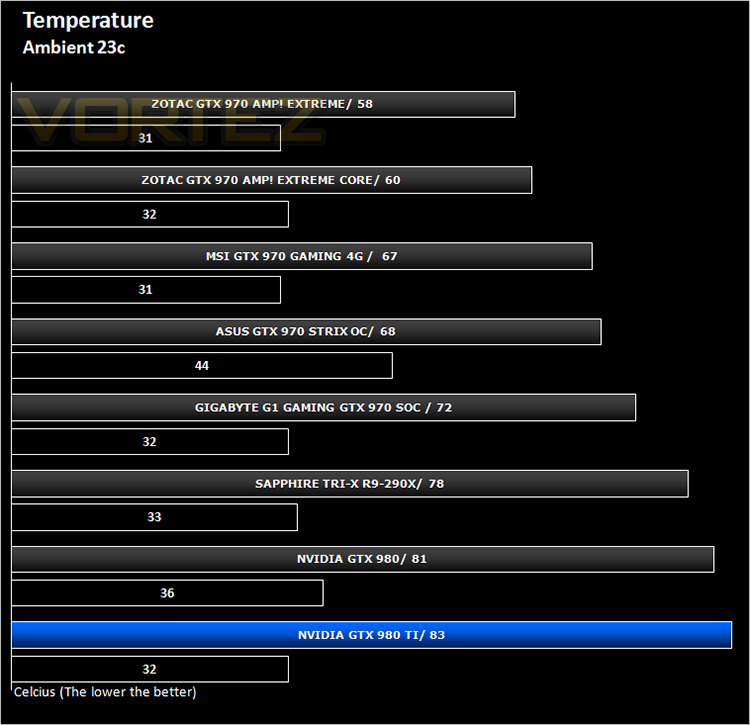
In comparison to the other cards on test the GTX 980 Ti was the hottest on test at 83c, getting slightly hotter than the GTX 980. As shown above, if this temperature is a little on the hot side for you then adjusting the fan profile to obtain a balance between performance and acoustics is recommended.
Acoustics
As this is the same cooler used on previous examples, we were just as impressed as we were previously. However, we had to adjust the fan profile when overclocking as the temperatures were getting a little uncomfortable. This in turn increased the noise levels.
Overclocking
For overclocking today’s sample we will be using MSI’s Afterburner tool as this gives us all of the options we require included the additional voltage controls.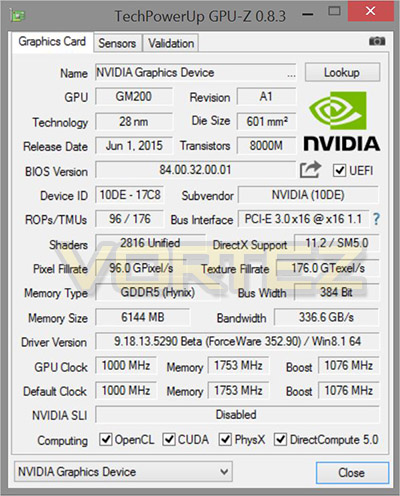
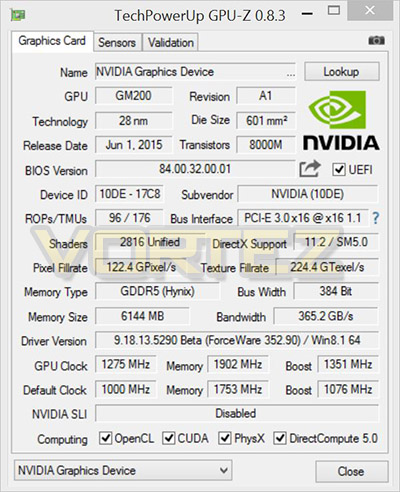
Above is a screenshot of GPU-Z showing the reference (factory overclocked) settings.
 ]
]…and manually attained overclock speeds.
Overclocking the GTX 980 Ti was very easy. We maxxed out the voltage controls and found the core limit (+305MHz). We then put the core back to stock and found the memory limit (+300MHz). After testing with a few runs of Unigine heaven we then adjusted both to gain an equilibrium and found rock solid stability by lowering the core to +275MHz and memory ever so slightly to +280MHz which gave us 1275MHz on the core and an effective GDDR5 speed of 7608MHz. This gave us great improvement over the stock Unigine Heaven 4.0 score which will be replicated across gaming environments.
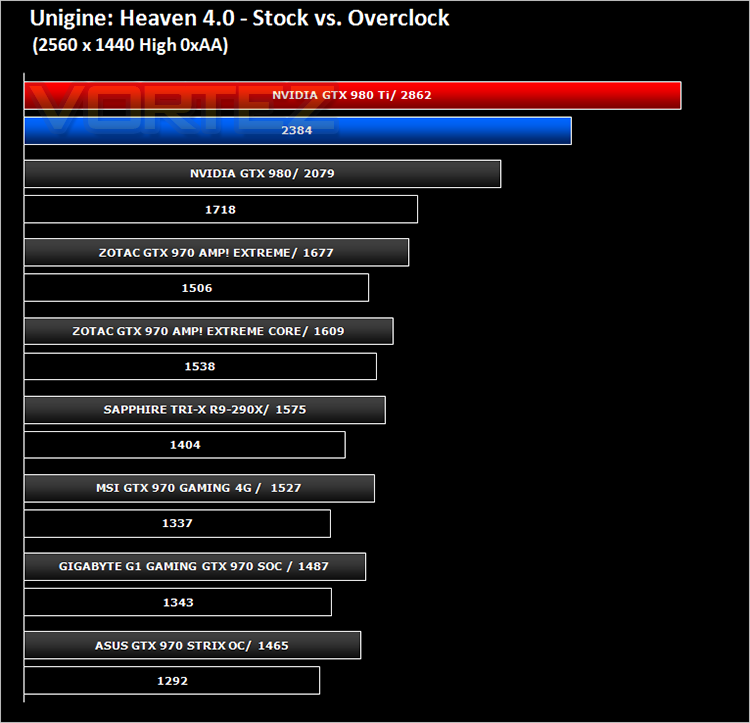
Above we can see the resulting performance increase of the overclock via Unigine Heaven 4.0.
Futuremark 3DMark Fire Strike (Synthetic)
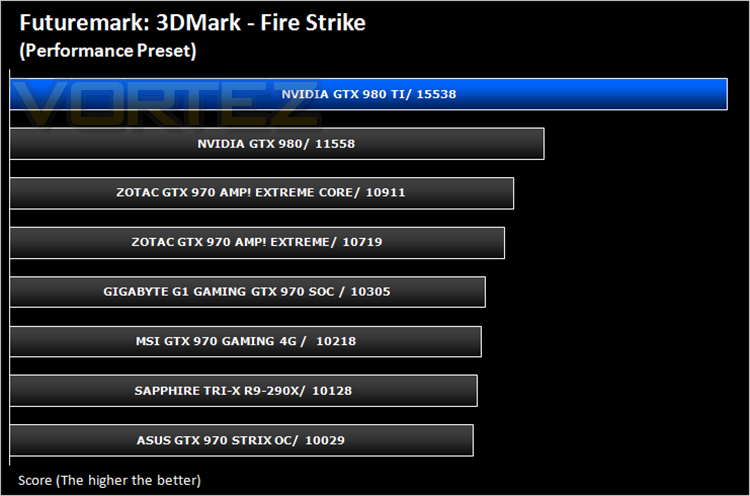
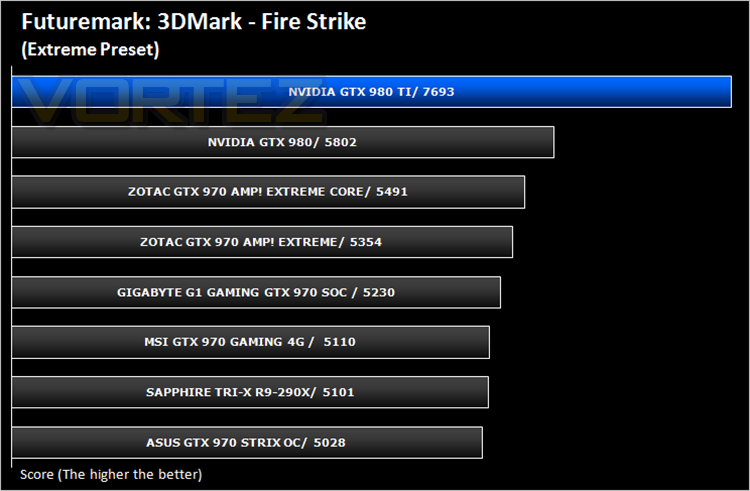
Fire Strike is the new showcase DirectX 11 benchmark designed for high-performance gaming PCs. It is Futuremark’s most ambitious and technical benchmark ever, featuring real-time graphics rendered with detail and complexity far beyond what is found in other benchmarks and games today.
Unigine: Heaven 4 (Synthetic)
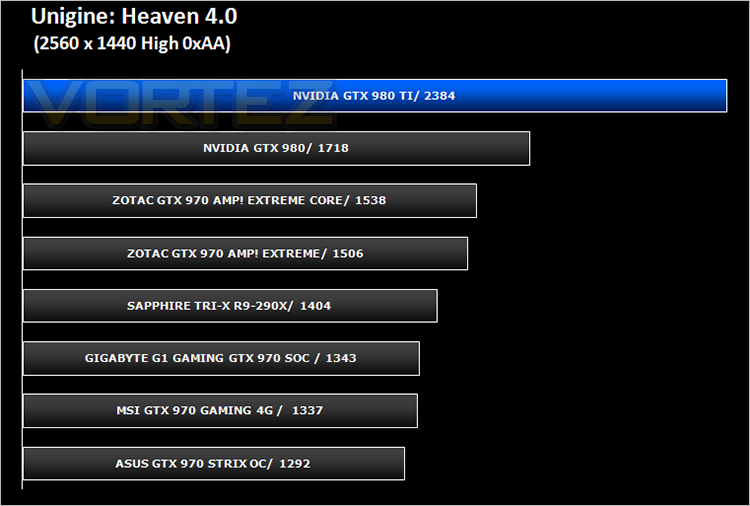
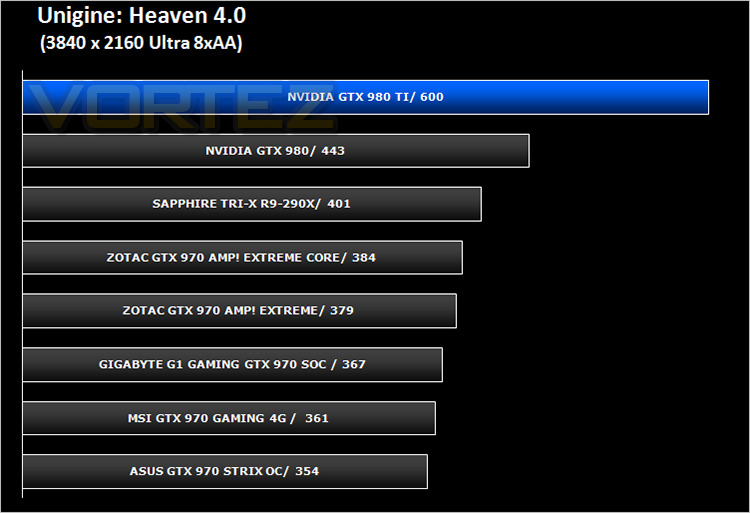
Heaven Benchmark with its current version 4.0 is a GPU-intensive benchmark that hammers graphics cards to the limits. This powerful tool can be effectively used to determine the stability of a GPU under extremely stressful conditions, as well as check the cooling system’s potential under maximum heat output. It provides completely unbiased results and generates true in-game rendering workloads across all platforms.
Unigine: Valley (Synthetic)
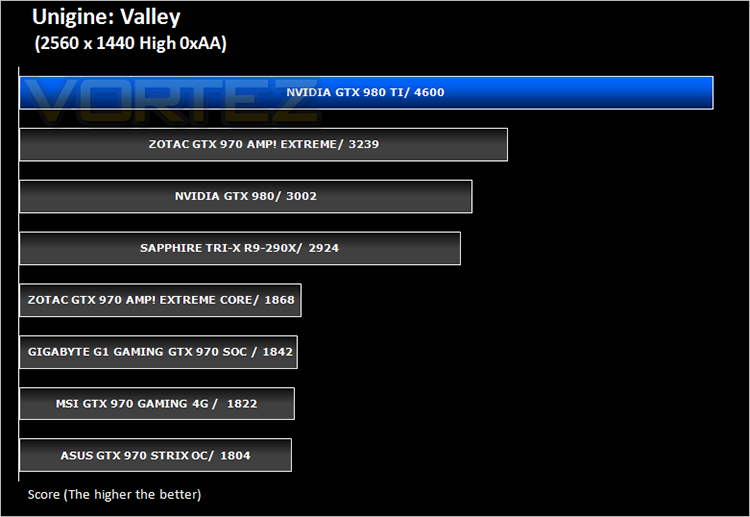
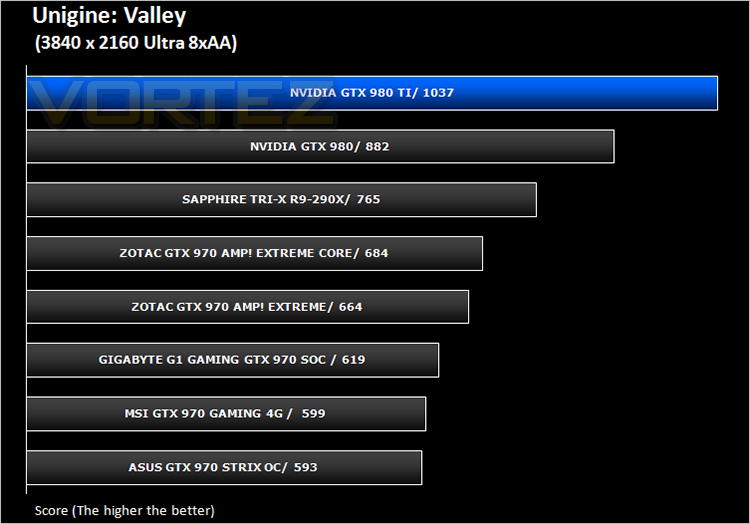
Valley Benchmark is a new GPU stress-testing tool from the developers of the very popular and highly acclaimed Heaven Benchmark. The forest-covered valley surrounded by vast mountains amazes with its scale from a bird’s-eye view and is extremely detailed down to every leaf and flower petal. This non-synthetic benchmark powered by the state-of-the art UNIGINE Engine showcases a comprehensive set of cutting-edge graphics technologies with a dynamic environment and fully interactive modes available to the end user.
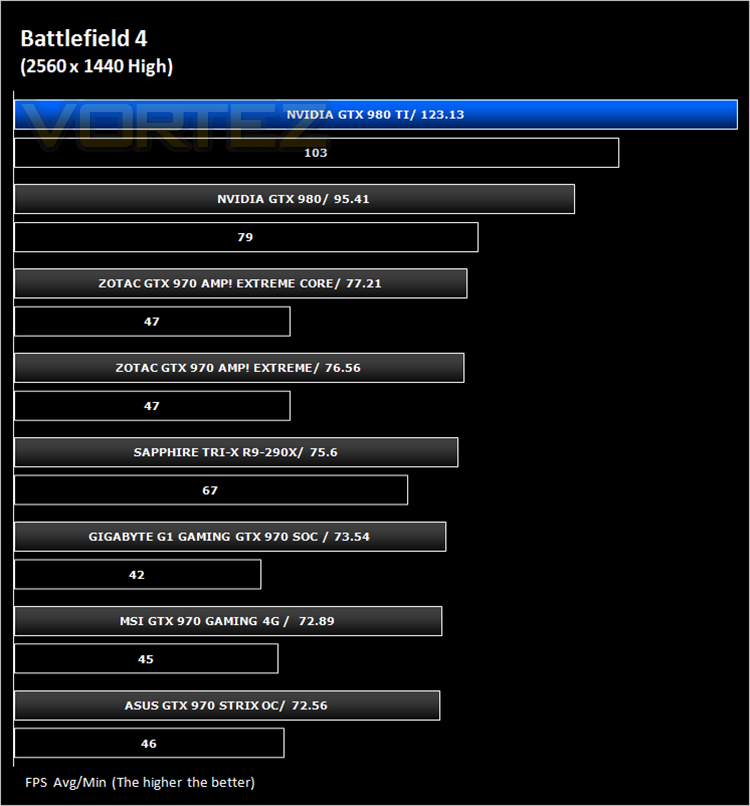
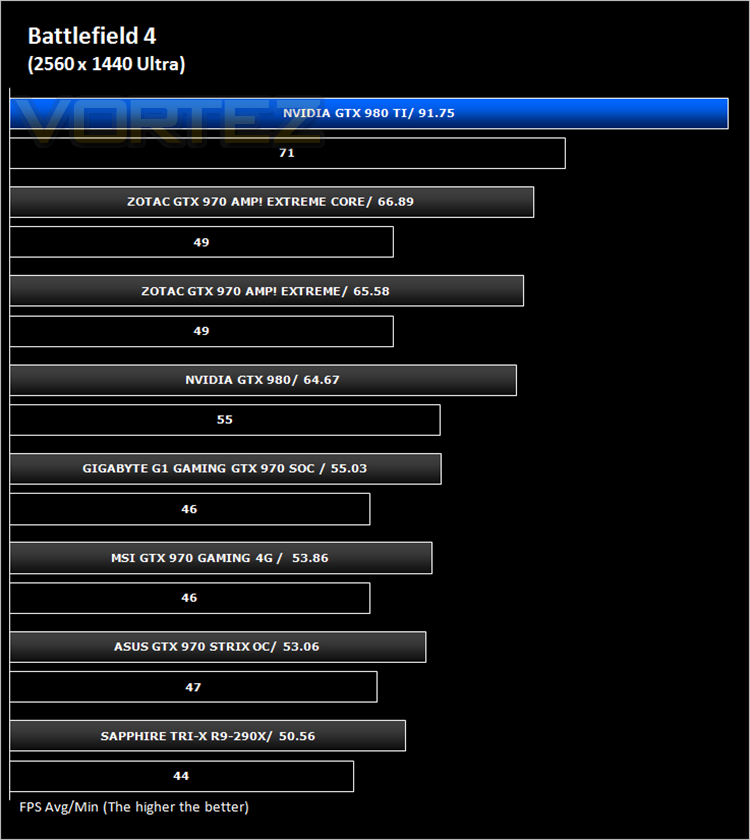
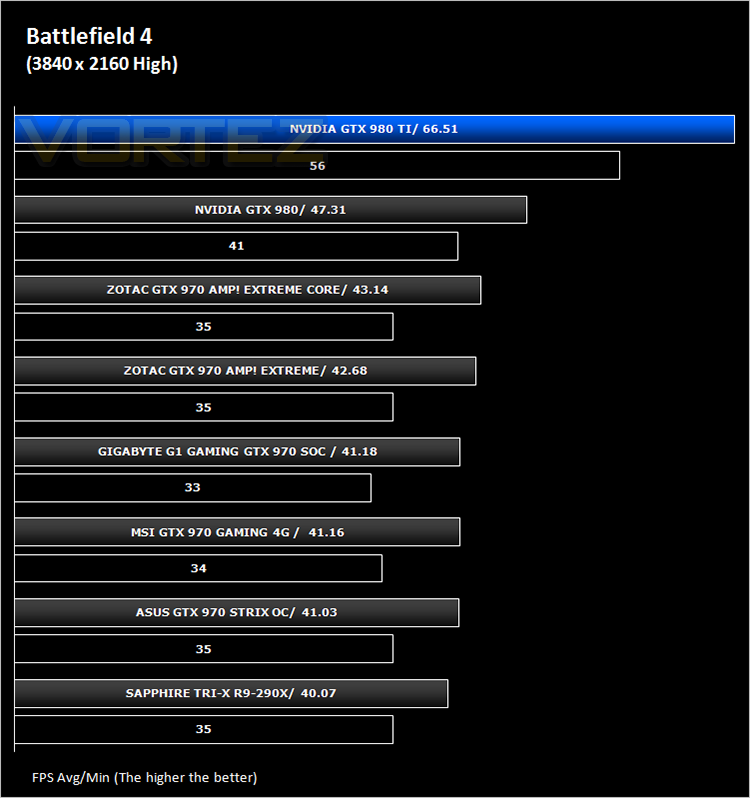
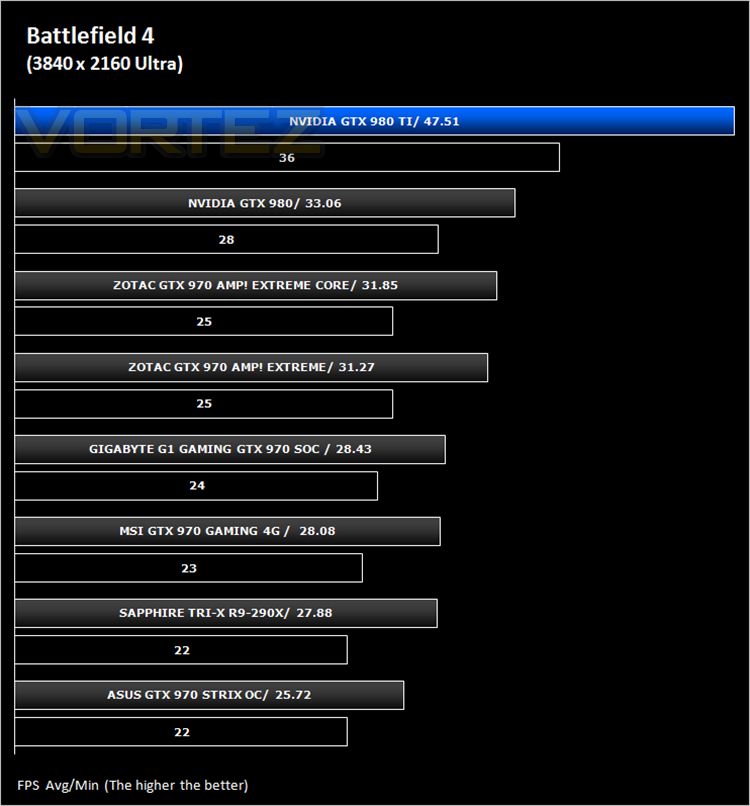
Battlefield 4 (FPS)
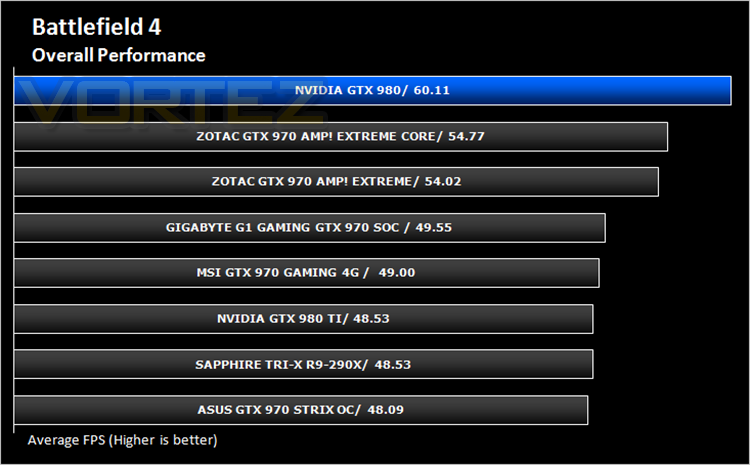
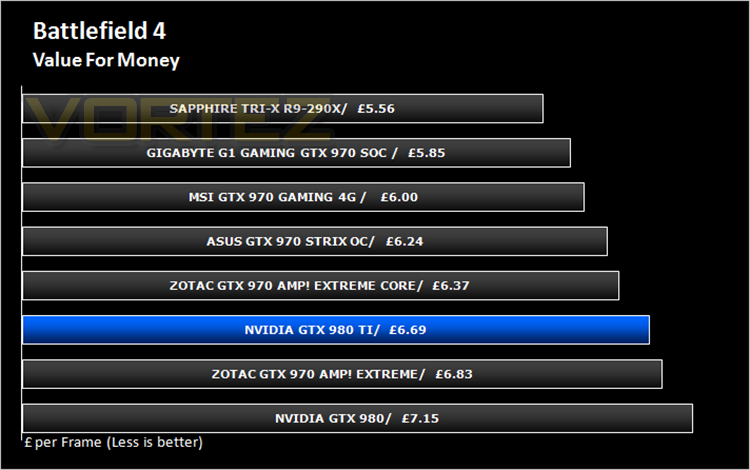
Battlefield 4 is a 2013 first-person shooter video game developed by Swedish video game developer EA Digital Illusions CE (DICE) and published by Electronic Arts. It is a sequel to 2011’s Battlefield 3 and is perhaps currently the most popular online First Person Shooter for PC gamers. It has an extremely powerful gaming engine that will stress components more than most FPS titles available.
Watchdogs (Action/Adventure)
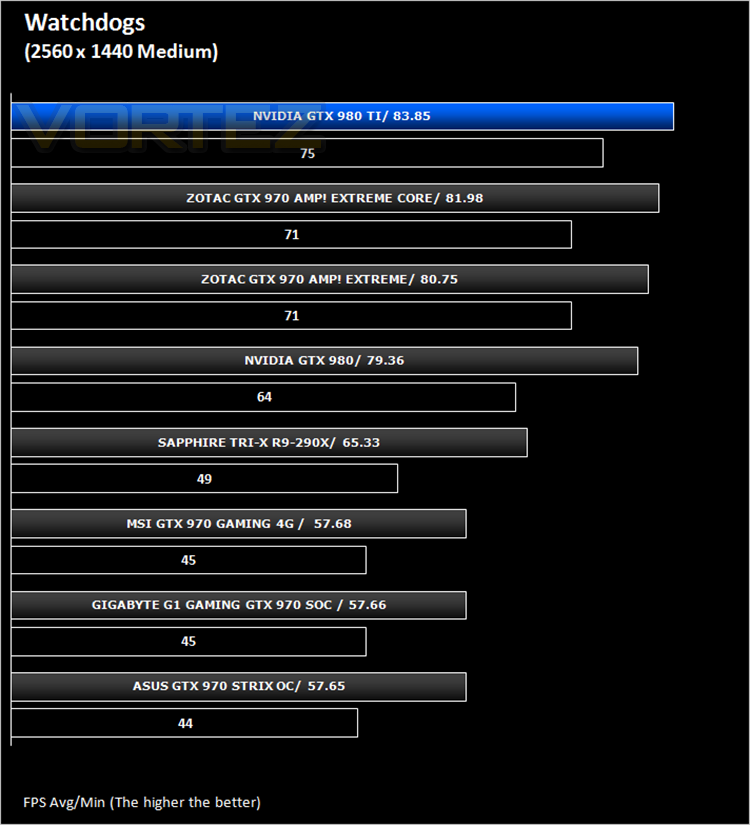
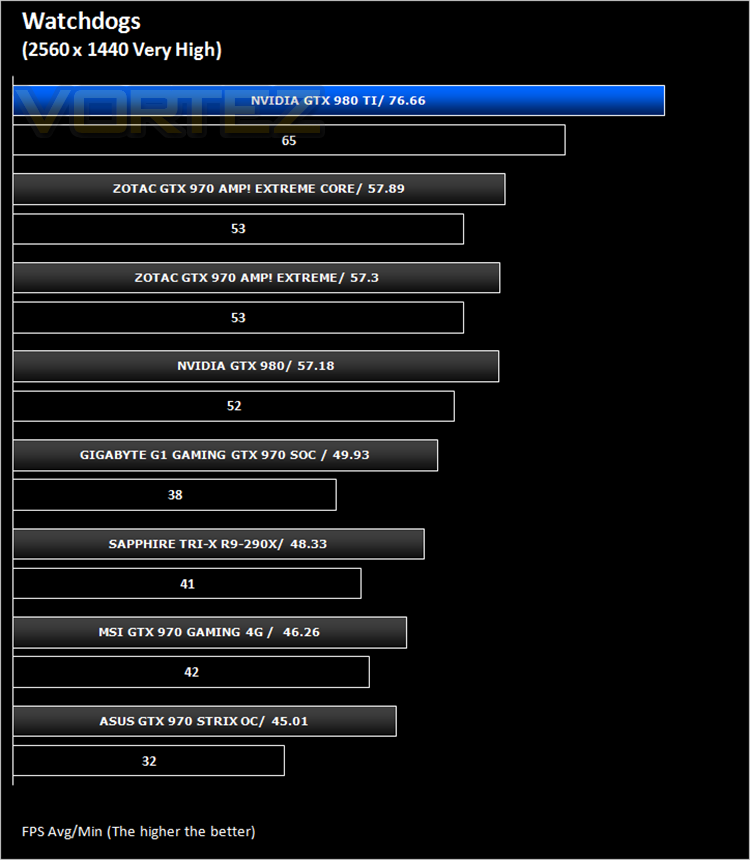
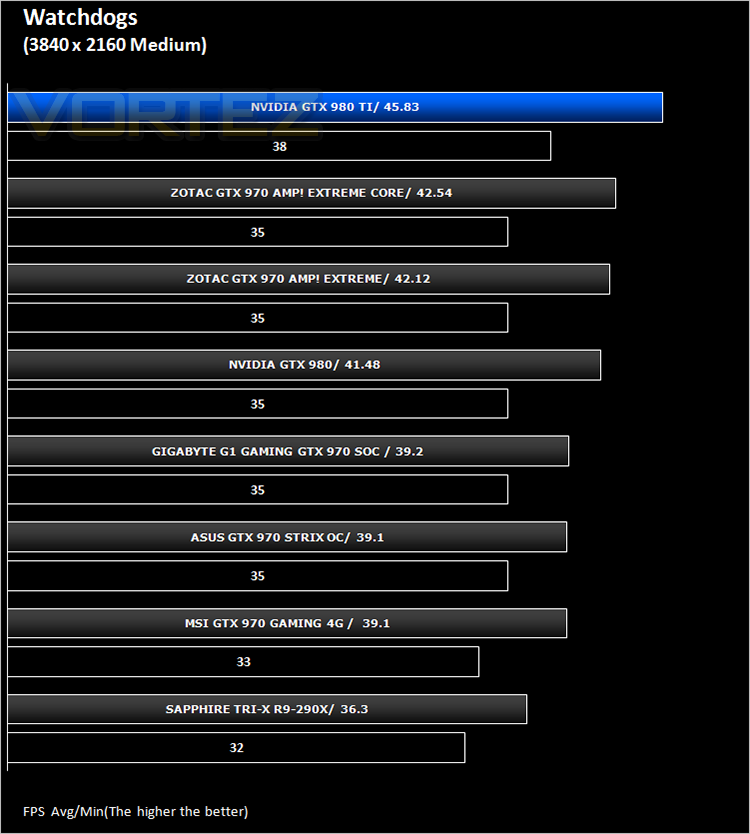
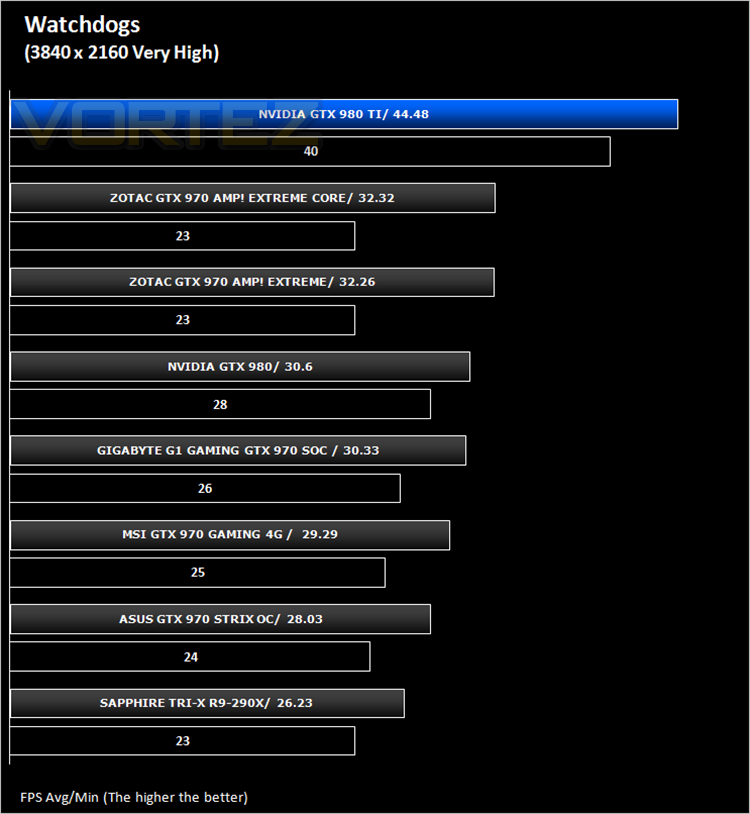
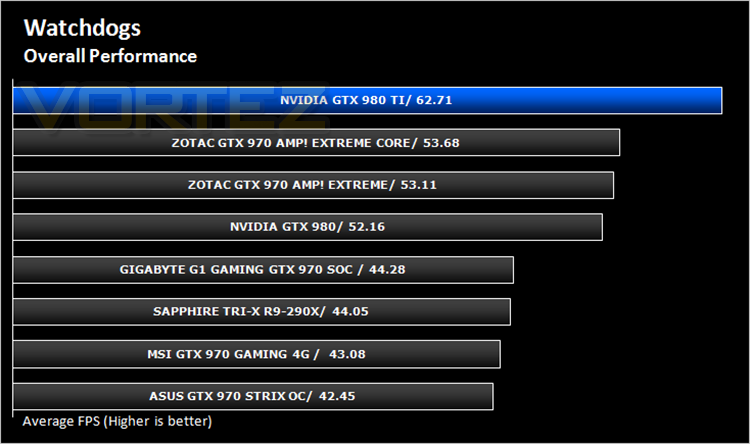
Watch Dogs is a 2014 open world action-adventure video game developed by Ubisoft Montreal and published by Ubisoft. Set within a fictionalized version of Chicago, Illinois, the single-player story follows a hacker and his efforts to seek revenge after the accidental death of his niece. The open world design lets players freely roam Chicago, which includes the urban city, open countryside, and slums. The game is played from a third-person perspective and its world is navigated on-foot or by vehicle. As such this is a very demanding game, especially when graphical options are turned up.
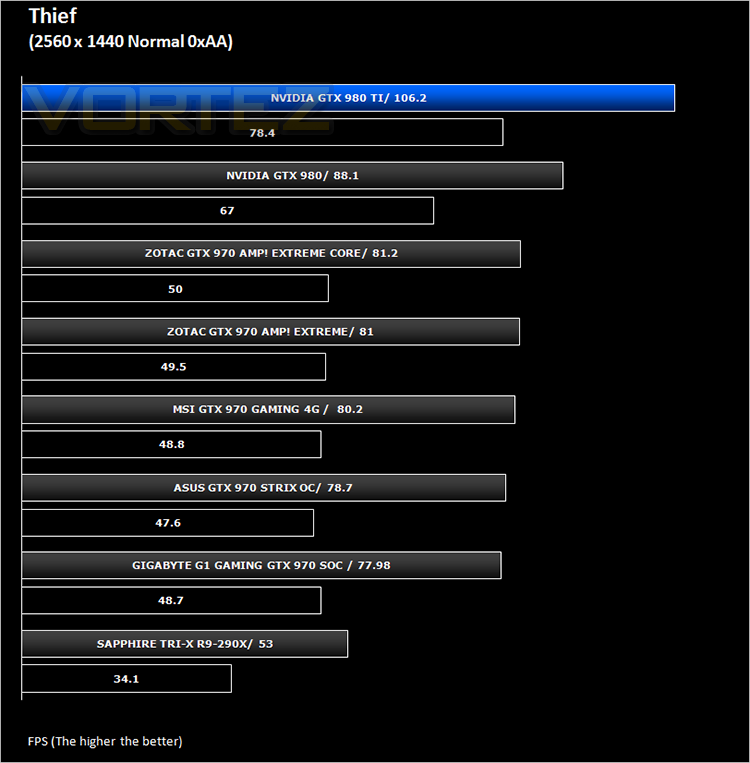
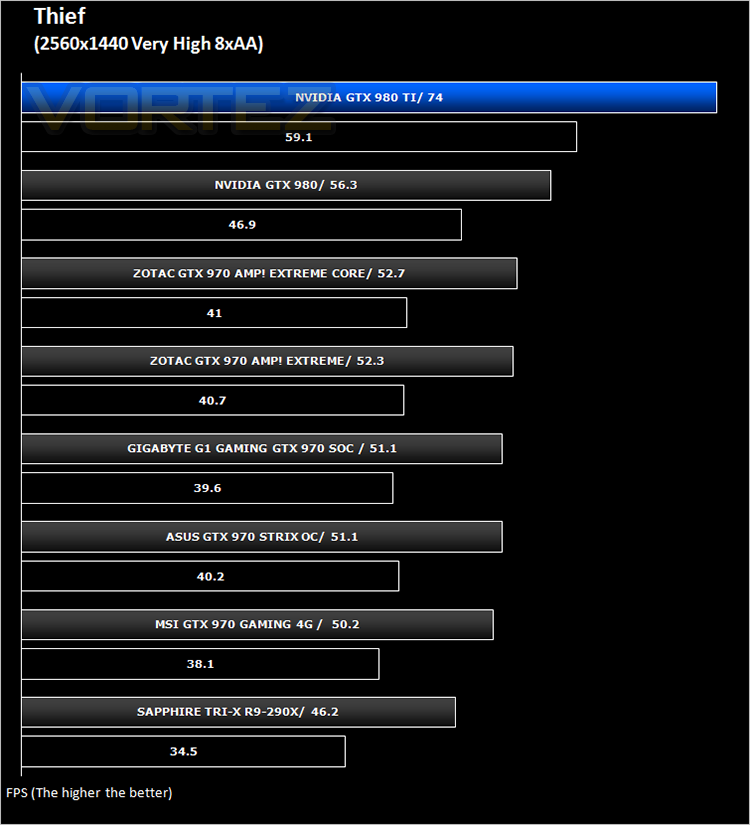
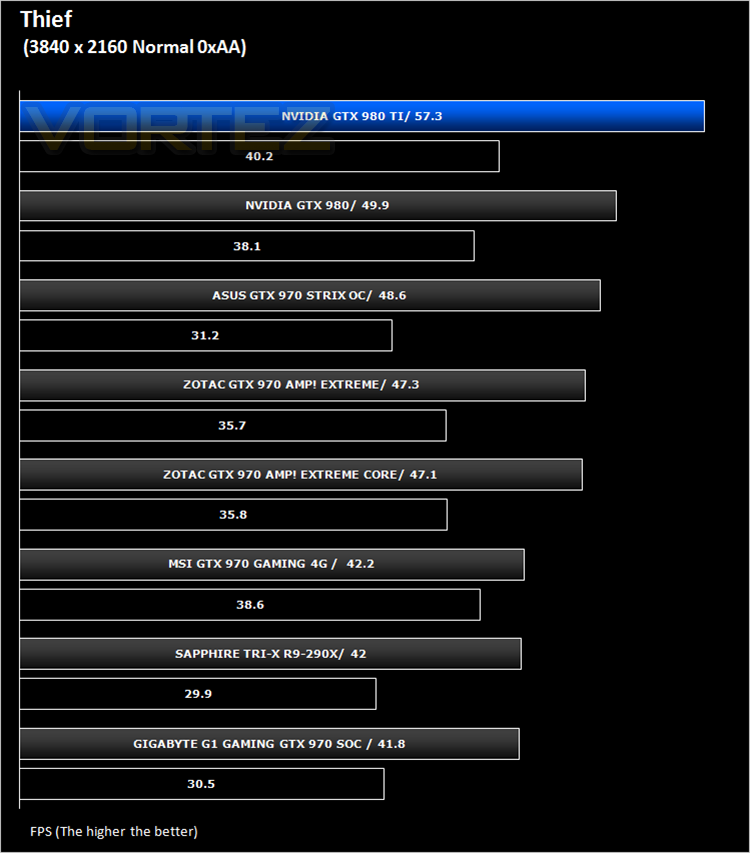
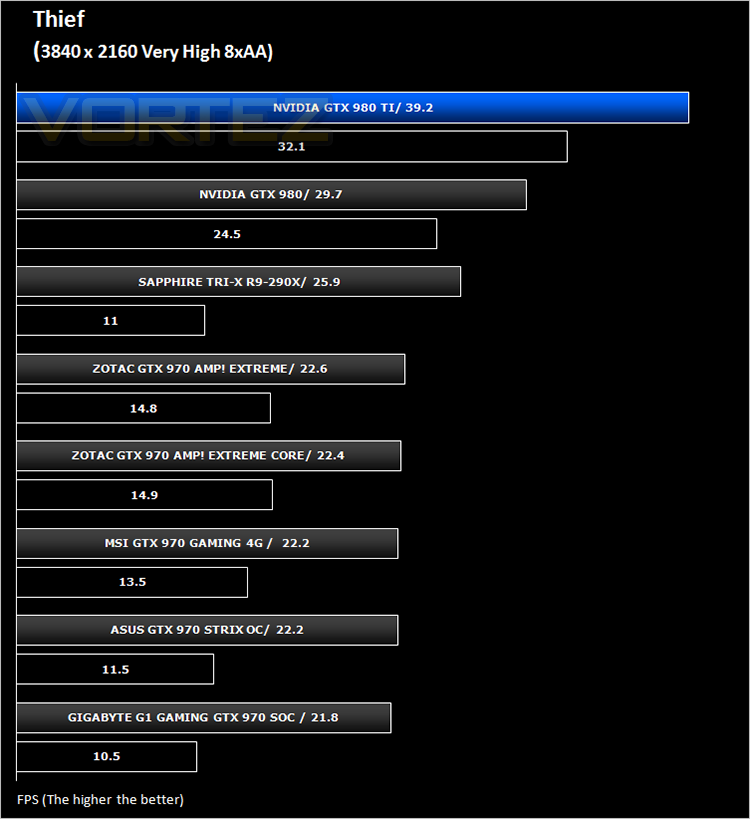
Thief (Stealth)
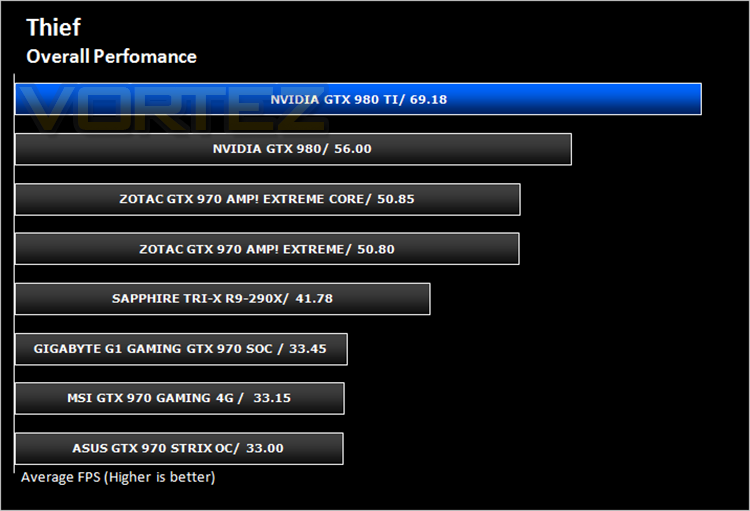
Thief is a stealth video game developed by the Canadian video game developer Eidos Montreal, and published by Square Enix. It is a revival of the cult classic Thief series of stealth games, of which it is the fourth game. Thief is set in a dark fantasy world inspired by Victorian, gothic, and steampunk aesthetics. Using a modified version of the Unreal Engine 3 it makes for a challenging game to pitch against our range of components.
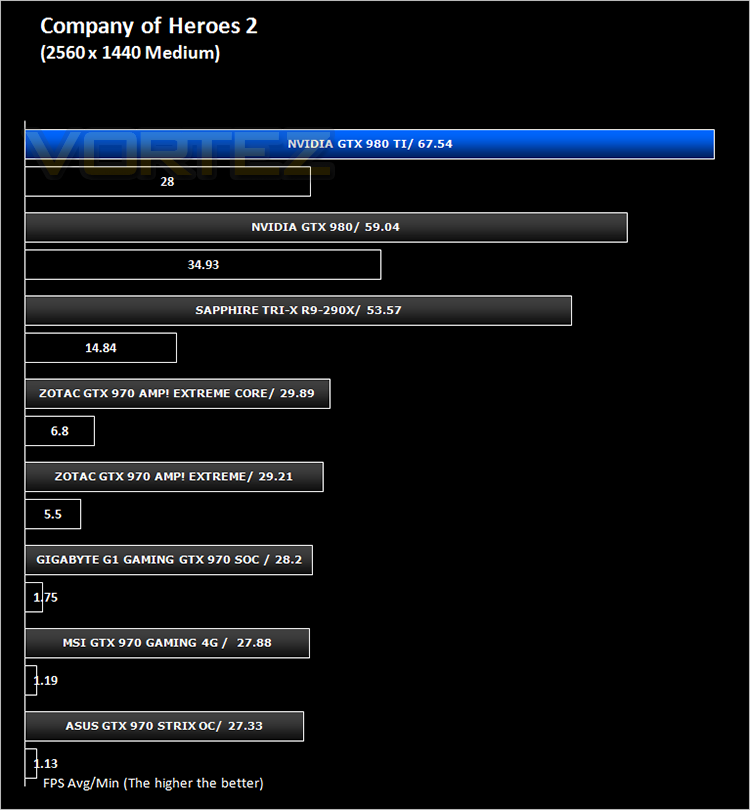
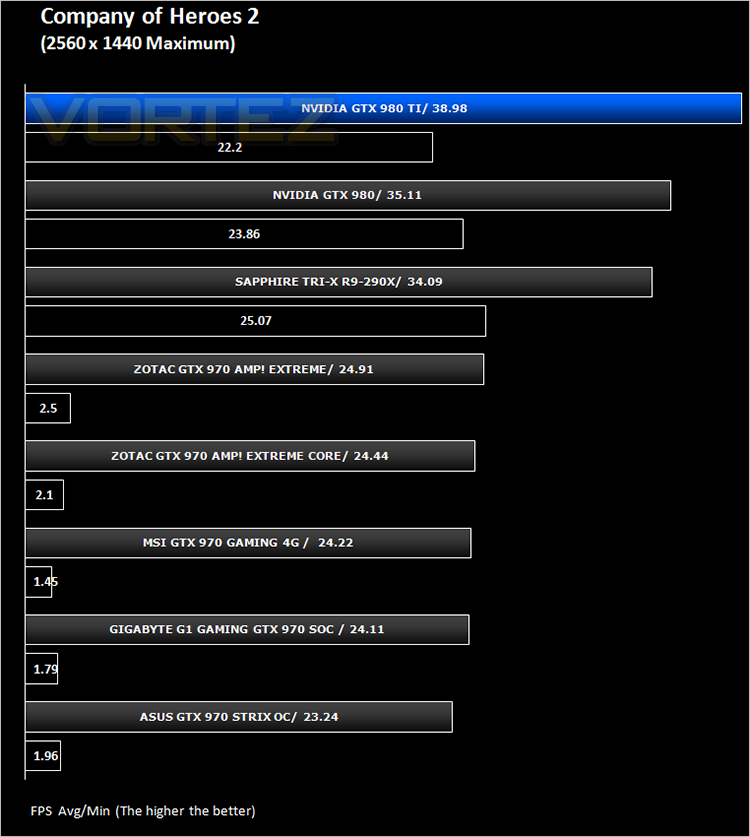
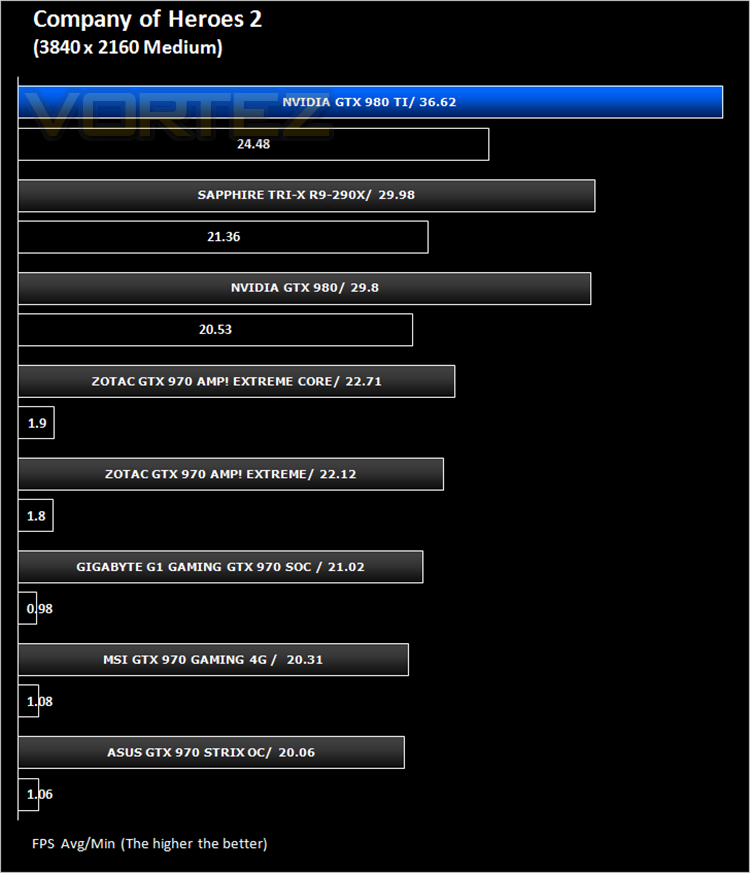
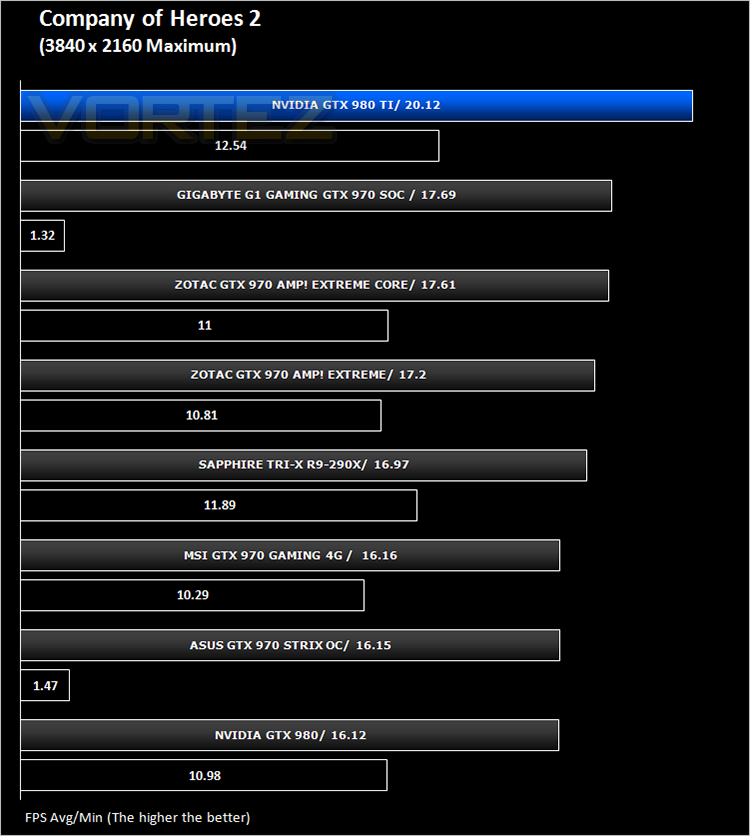
Company of Heroes 2 (RTS)
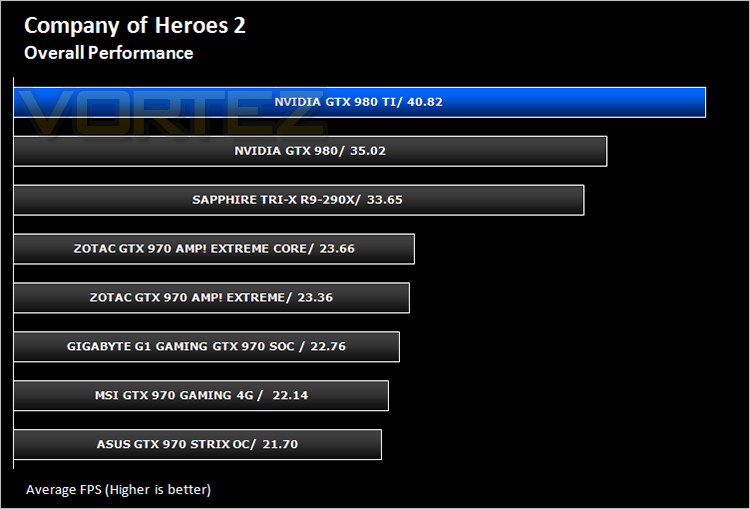
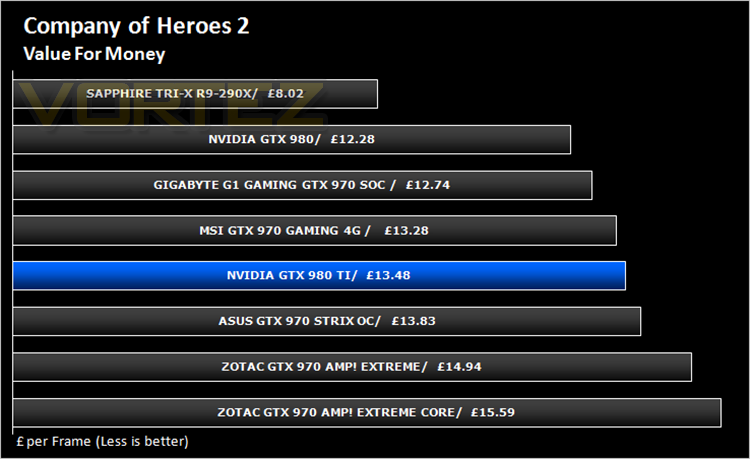
Company of Heroes 2 is a real-time strategy video game developed by Relic Entertainment. It is the sequel to the critically acclaimed 2006 game Company of Heroes.As with the original Company of Heroes, the game is set in World War II but with the focus on the Eastern Front, with players primarily controlling the side of the Soviet Red Army during various stages of the Eastern Front, from Operation Barbarossa to the Battle of Berlin. Company of Heroes 2 runs on Relic Entertainment’s proprietary Essence 3.0 game engine and is extremely demanding of both CPU and GPU.
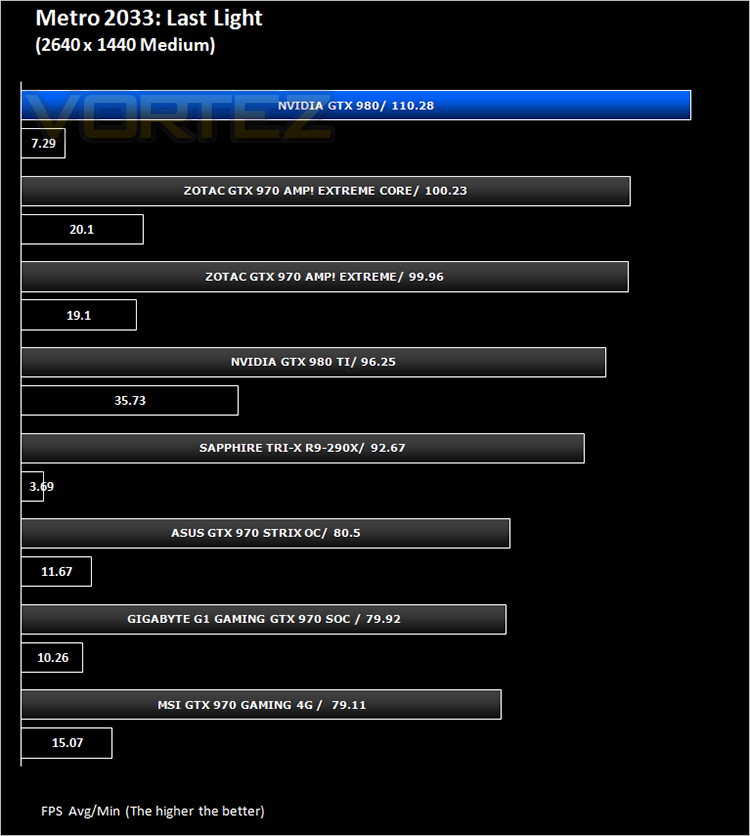
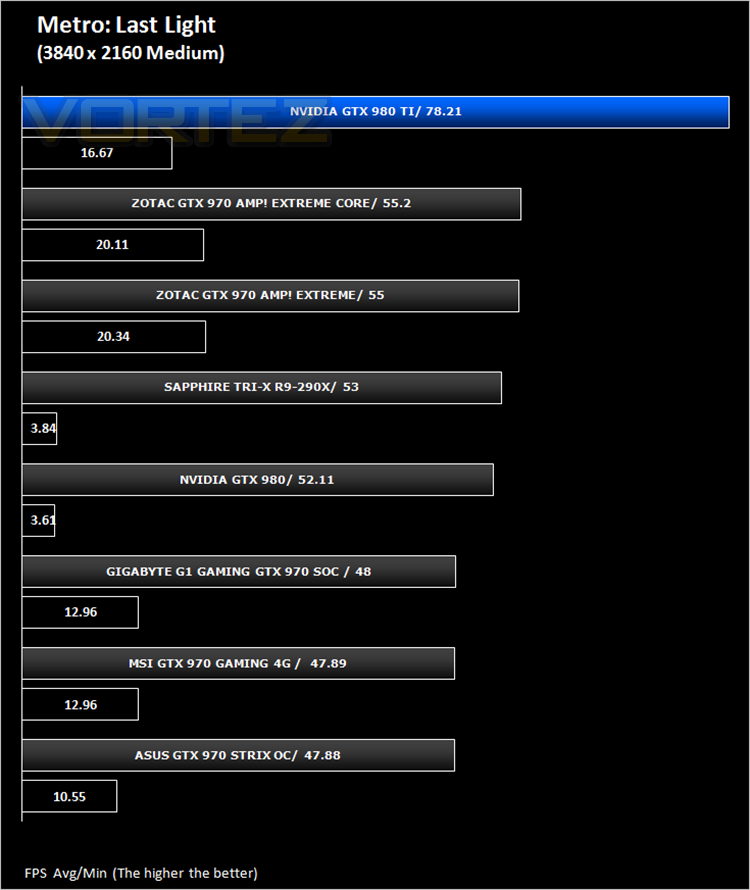
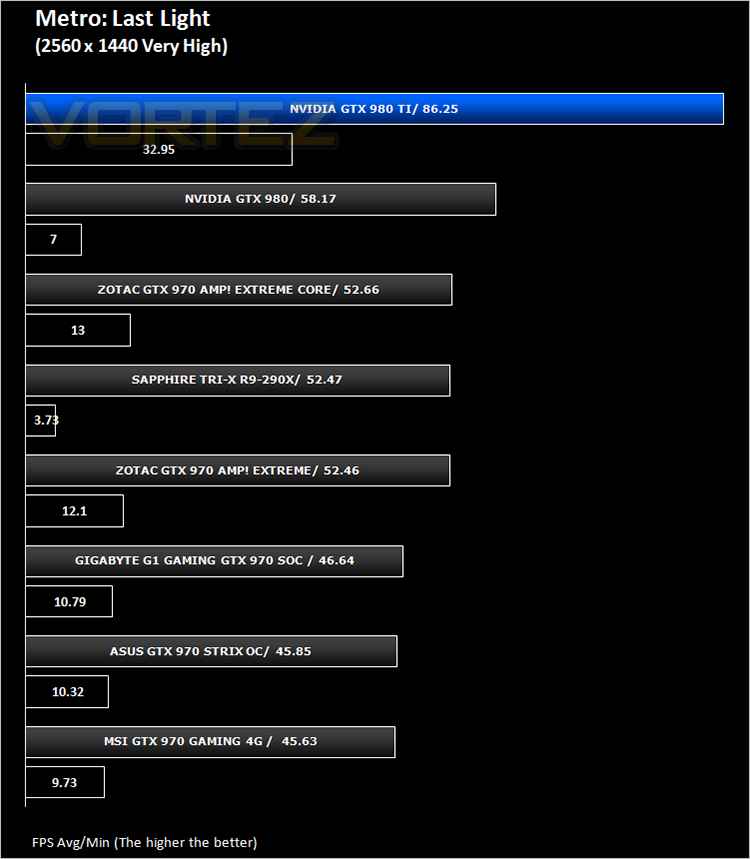
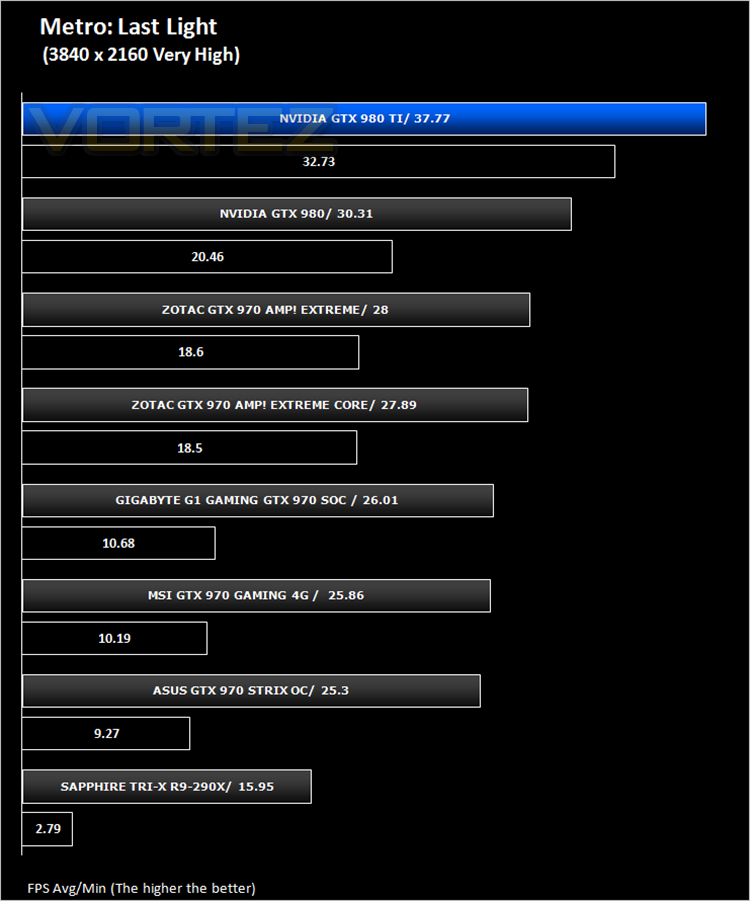
Metro: Last Light (FPS)
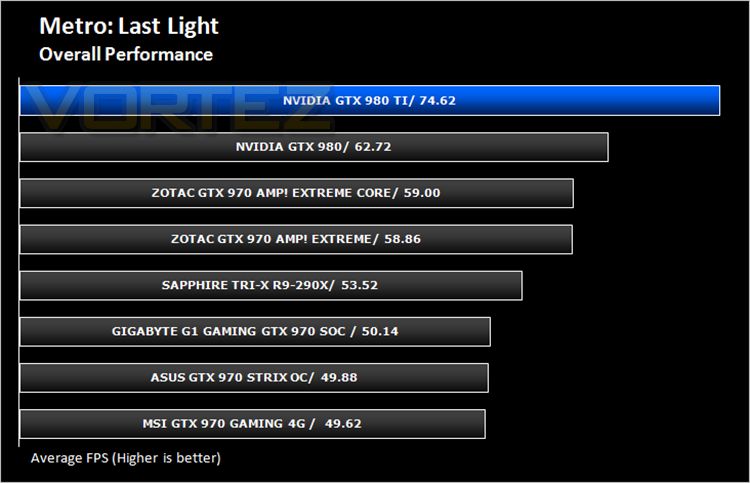
Metro: Last Light is a single-player post-apocalyptic-themed first-person shooter video game with stealth and survival horror elements, developed by Ukrainian studio 4A Games and published by Deep Silver. The game is set in a post-apocalyptic Moscow, part of the universe of the novel Metro 2033 and its sequels, written by Russian author Dmitry Glukhovsky. The second of our FPS titles, it runs on the 4A gaming engine which again, has the capability to stress even the best GPU components.
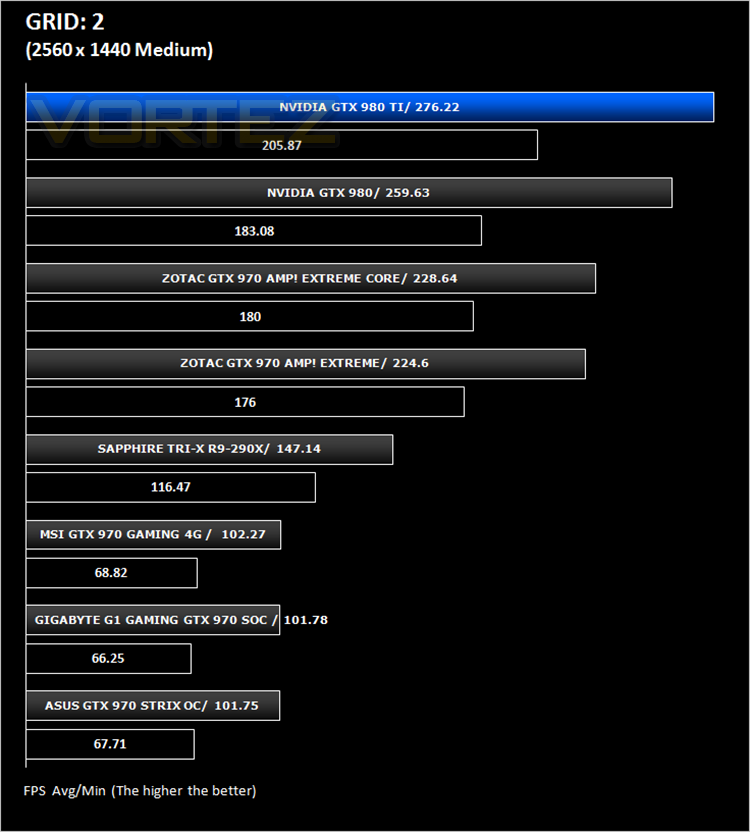
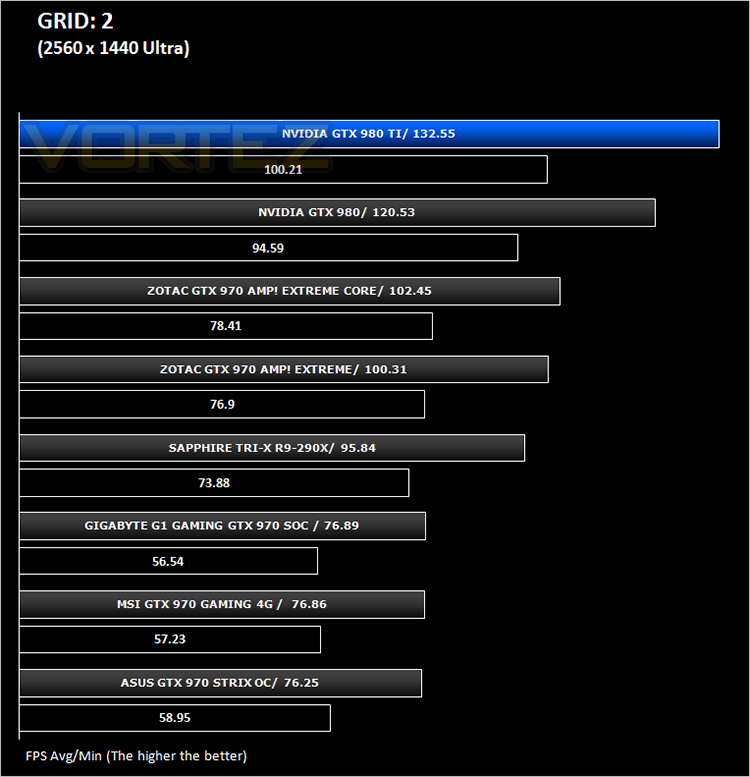
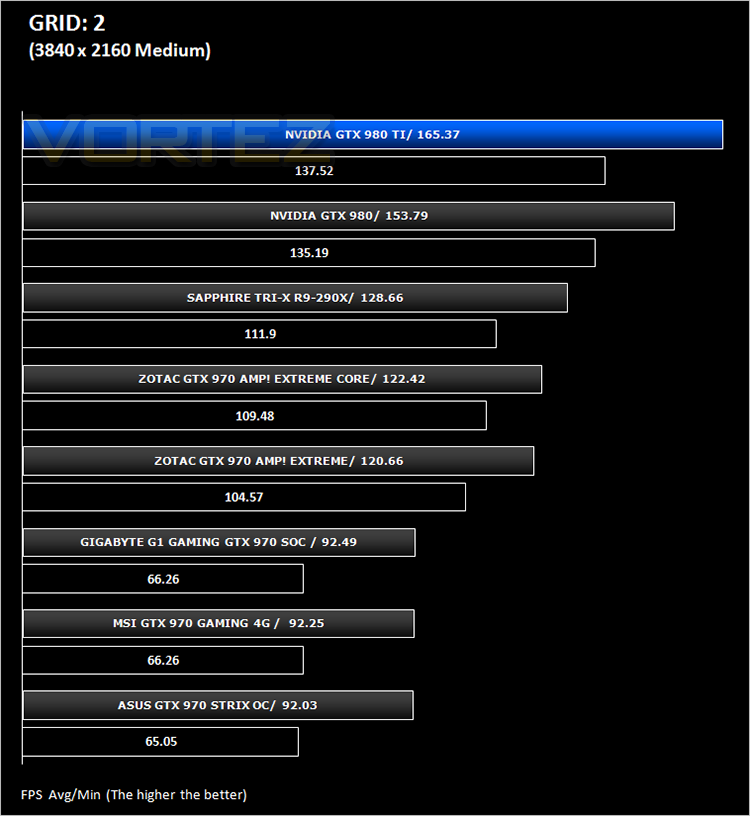
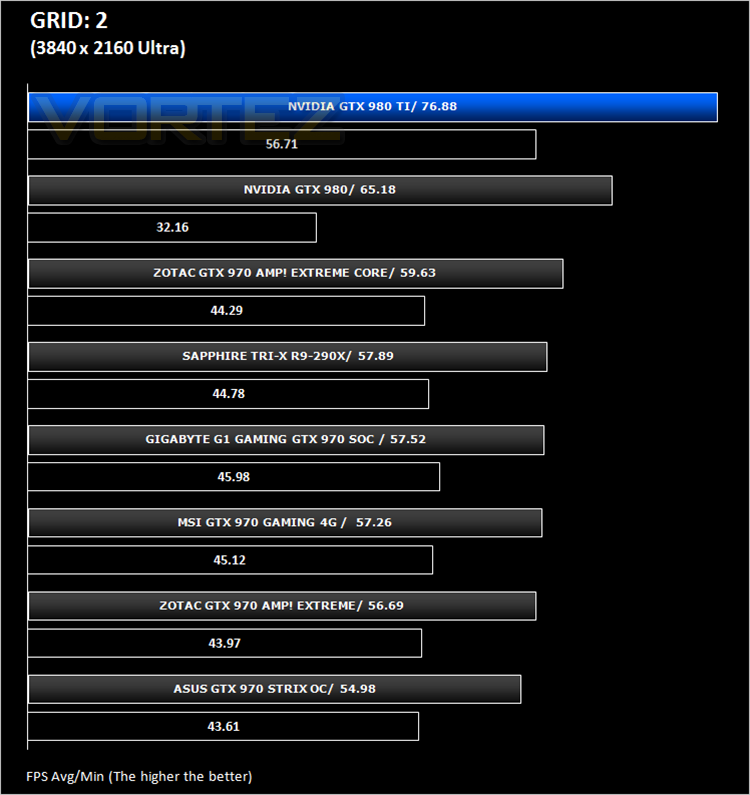
GRID: 2 (Arcade Sim)
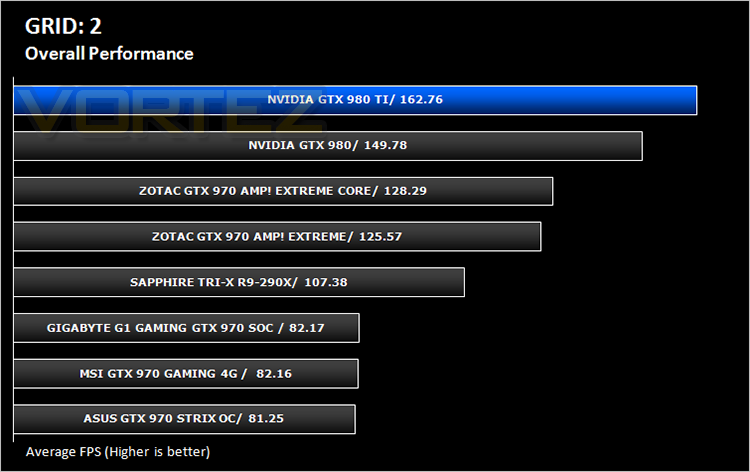
Grid 2 (stylised as GRID 2 and known as Race Driver Grid 2 in Japan) is a racing video game developed and published by Codemasters and is the sequel to 2008’s Race Driver: Grid. The game includes numerous real world locations and cities such as Paris. It also includes motor vehicles spanning four decades. In addition, it includes a new handling system that developer Codemasters has dubbed ‘TrueFeel’, which aims to hit a sweet spot between realism and accessibility. It uses the EGO 3.0 engine which while not overly challenging, is representative of games of this genre.
Overall Performance
Here we take a look at the overall performance of the graphics card. This figure is determined by finding the average FPS across all of the settings used in a particular benchmark(game) to give us an overall value.
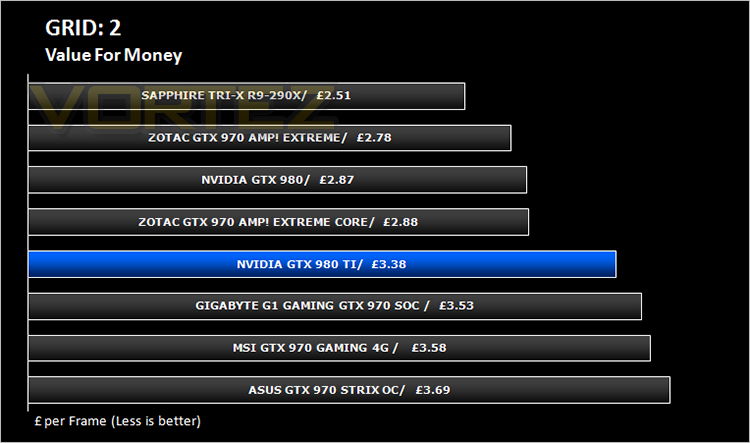
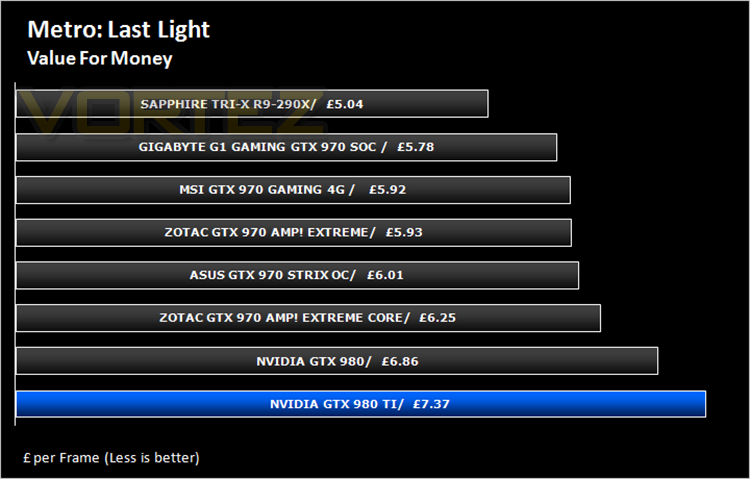
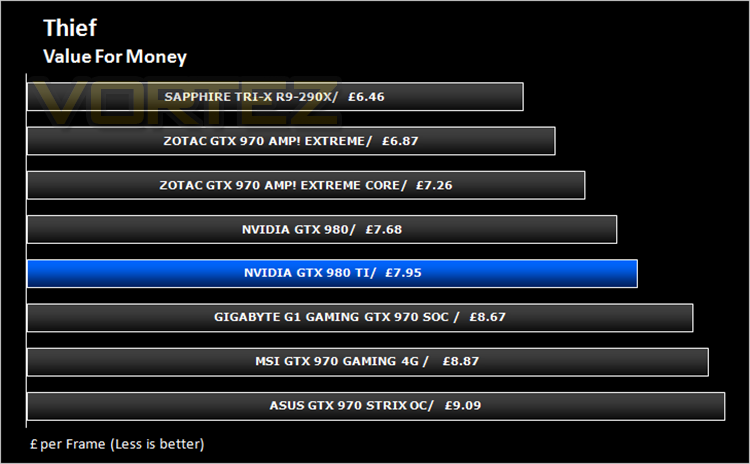
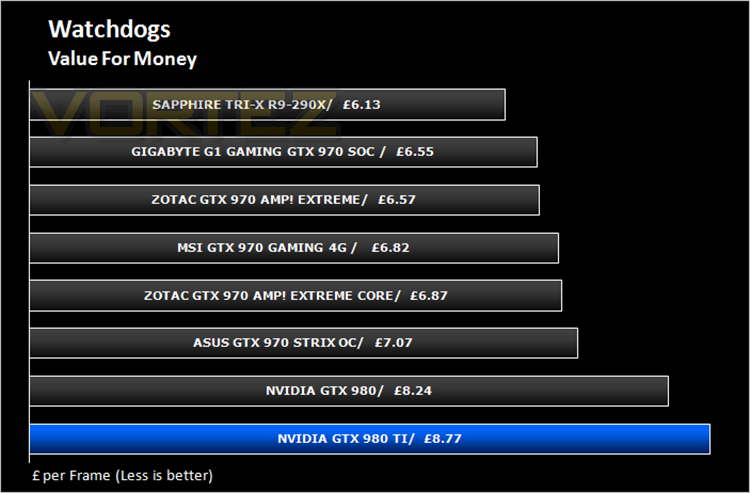
Value for Money
We make a simple calculation for this set of results. For each game we add all of the resulting FPS totals together and then divide by the four sets to give us an overall performance figure. While the figures alone do not give you an accurate picture of how the card will perform in any given scenario, they do tell you, when averaged, which GPU is the more capable across all of the benchmarks and settings tested.
Conclusion
We managed to get an early sample of the GTX 980 Ti and while testing we were blown away by the performance increase over the previous rendition of the GTX 980. We did however reservation acclaim because we suspected this card would be ridiculously expensive. Sure, £550 is not cheap by any stretch of the imagination and it will undoubtedly put many off from purchasing this card but we feel NVIDIA could have asked for more, such is the performance increase. Clearly, there is a market for such devices at this price point otherwise we would never have seen the TITAN-X. What the GTX 980 Ti offers is near TITAN-X performance for quite a lot less cash and that is where the attraction in this card lays. No, it might not be as quite as fast as the TITAN-X but it is considerably faster than any ‘normal’ graphics card on the market, including both the GTX 980 and AMD Radeon 290-X and for that reason we feel the price tag is justified, if somewhat still a bitter pill to swallow.
The performance of the card is so good though you will soon forget the cost because despite throwing graphically intensive games at the GTX 980 Ti with all the trimming set to maximum at a 4K resolution, the card continued to impress throughout. We would normally have to employ a multi-card setup to attain anywhere near the frame rates this card churned out and even if you did have a multi card setup, you will likely become memory limited at 4K resolutions. Not so with the GTX 980 Ti.
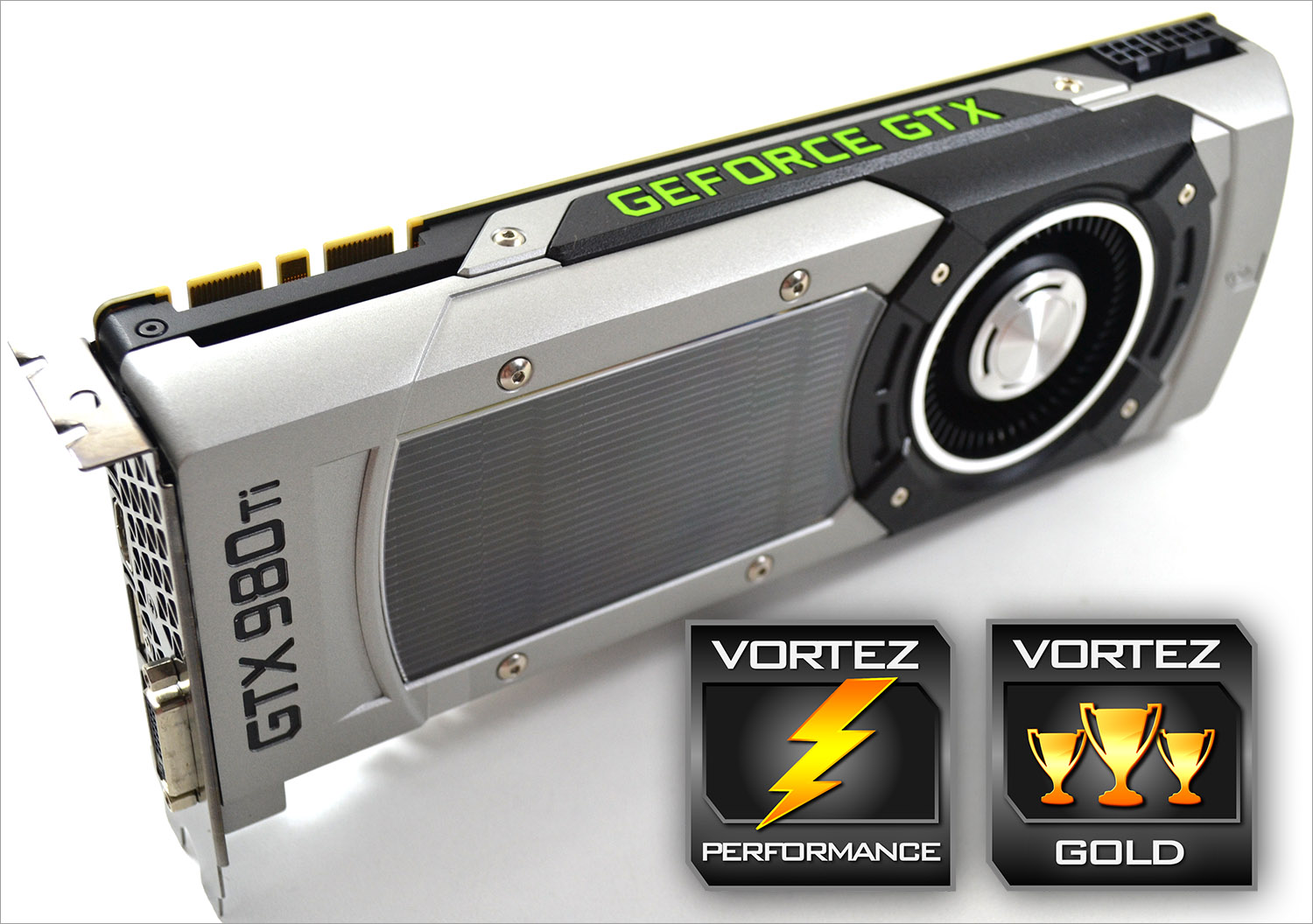
We feared NVIDIA may have jumped the gun because they already hold the performance crown so had no need to produce an even faster card. With the AMD 390-X rumoured to stomping over the horizon it may have made more sense to hold out and see how the competition performed but we believe NVIDIA are playing a very smart, tactical game in stealing sales from the 390-X before it is even here by using up ‘failed’ TITAN-X stock (24SM vs 22SM models). Sure TITAN-X owners will likely sneer but anyone who buys the GTX 980 Ti can be safe in the knowledge that they have made, like NVIDIA, a very smart move because the NVIDIA GTX 980 Ti is a phenomenal card, worthy of both our Gold and Performance awards.
To summarise:
Extreme performance and next generation compatibility. NVIDIA are on form once again.
Pros
+ Supreme performance at the highest resolutions
+ Next generation (DirectX 12) compatibility
+ Array of features
+ Great overclocking
Cons
– Physical SLI bridge remains
– Toasty under load with default fan profile
+ Supreme performance at the highest resolutions
+ Next generation (DirectX 12) compatibility
+ Array of features
+ Great overclocking
Cons
– Physical SLI bridge remains
– Toasty under load with default fan profile

Click here for an explanation of our awards at Vortez.net.